
Expert Insight on Solar Panel Lifespan and Performance
Share:
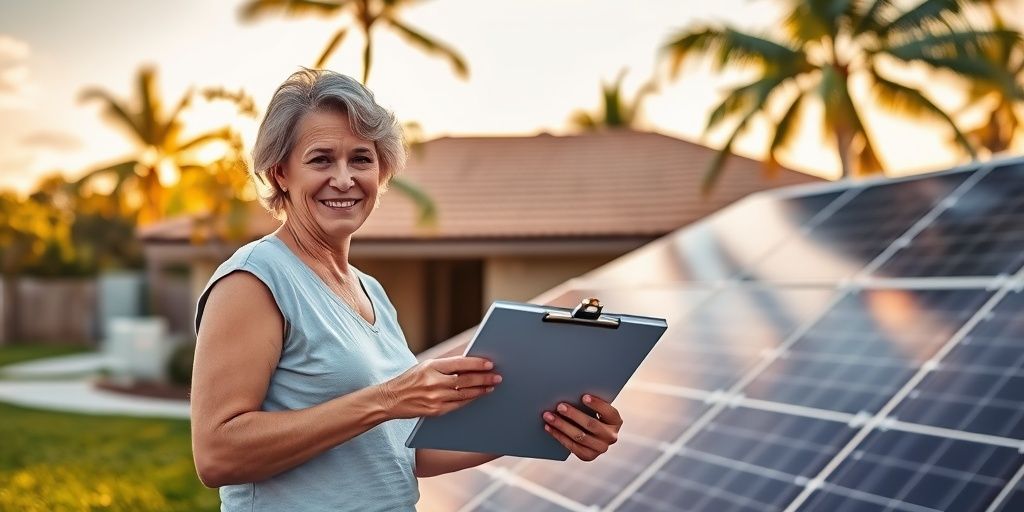
Did you know that over 97% of American homeowners believe that solar panels are a significant investment for the future of their energy needs? Yet, many still have lingering questions about how long these panels will last and how to optimize their performance. In this insightful exploration titled “Expert Insight on Solar Panel Lifespan and Performance”, we’ll decode the complexities surrounding solar energy technology, looking specifically into the lifespan and efficiency of solar panels. With the ever-increasing energy prices and the urgency created by climate change, 2025 presents an ideal time for Florida homeowners to adopt solar power as a viable energy solution. According to the Solar Energy Industries Association (SEIA), Florida ranked 3rd in the nation for solar power capacity in 2022, a trend that is only set to rise, making now the time to invest in solar. Additionally, the U.S. Department of Energy reports that solar energy is more affordable, with an 82% decline in solar PV prices over the past decade. In an era of rising energy costs, understanding how to maximize your solar panel lifespan effectively is crucial to your long-term savings and environmental impact.
In this article, we will delve into five key sections:
- Understanding Solar Panel Lifespan and Performance Factors
- Practical Steps for Maintaining Your Solar System
- Debunking Common Solar Myths
- Florida-Specific Considerations for Solar Energy
- Actionable Steps for Solar Buyers in 2025
Exploring Solar Panel Lifespan and Performance Factors
Solar panels have garnered significant attention over the last few years as a sustainable energy source, but their longevity and performance depend on multiple factors. For instance, take Sarah, a Florida homeowner who installed solar panels on her home in 2020. Initially apprehensive about the investment, she quickly learned about how proper maintenance and environmental conditions could significantly impact the performance of her panels. Surrounded by lush palm trees and coastal winds, Sarah performed regular inspections and was meticulous about cleaning the panels periodically, which allowed her to achieve over 90% efficiency even after three years. By the end of her second year, she had saved more than $3,800 on her energy bills.
To ensure your solar panels perform at their best and last for decades, consider this checklist:
- Assess the Environment: Location impacts panel efficiency due to factors like sunlight exposure, shade from trees, and debris accumulation.
- Regular Maintenance: Schedule periodic checks to clean panels and inspect for damage or wear.
- Quality of Equipment: Choose high-efficiency panels and inverters with robust warranties.
- Professional Installation: Invest in certified solar installers to ensure correct setup and maximize performance.
- Monitor System Performance: Use monitoring tools to track energy production and spot issues early.
Despite popularity, several myths about solar panels still persist. Let’s dispel a few common misunderstandings:
Myth #1: Solar Panels Are Not Worth the Investment. The initial costs can be significant, but with tax incentives and solar savings, you could recoup your investment within 5-7 years (SEIA.org).
Myth #2: Solar Panels Only Work in Direct Sunlight. While optimal sunlight is essential, solar panels can still generate power on cloudy days.
Myth #3: Solar Panels Require Tremendous Maintenance. Regular checks and occasional cleaning are sufficient maintenance to keep systems running efficiently.
Furthermore, living in Florida has its unique blessings and challenges. Florida’s sunny climate lends itself well to solar energy, with an average of 237 sunny days a year. Additionally, the state offers a Property Tax Exemption for solar installations, ensuring that homeowners can benefit from their investment without additional tax liabilities. Studies reveal that homes with solar power systems sell 20% faster than homes without them, a decision that can lead to significant future financial returns.
As we pivot to the technical deep-dive of solar systems, understanding the components at play is crucial. Solar panels generally contain photovoltaic (PV) cells that convert sunlight into energy, while inverters convert this DC power into usable AC power. Knowing these components and how they affect performance can empower you to make informed decisions about your solar system.
Practical Steps for Maintaining Your Solar System
To maximize your solar panel lifespan effectively, homeowners must commit to ongoing maintenance practices. In fact, maintaining solar systems is less of a chore and more of an investment in long-term benefits. To optimize your setup, consider the following:
- Regular Inspections: Ensure to schedule inspections at least twice a year. Look for debris, signs of wear, and ensure all components are functioning correctly.
- Cleanliness is Key: Dust, bird droppings, and leaves can obstruct sunlight. Clean your panels several times a year, particularly during pollen or fall seasons.
- Monitor Performance: Utilize monitoring systems to track how much energy your panels generate. If you notice a drop in output, dig into potential causes or consult a specialist.
- Keep Components Current: Just like your phone or computer updates, ensure your inverters and other components are up to date for optimum performance.
Additionally, it’s essential to link with experienced solar service providers like floridaelectricandsolar.com, which can assist with everything from regular maintenance to troubleshooting performance issues.
Debunking Common Solar Myths
The myths surrounding solar technology can often deter potential adopters. Let’s tackle some misconceptions, providing clarity and confidence for homeowners contemplating a solar investment in Florida.
- Myth #1: Solar is Too Expensive. The upfront cost may seem daunting, but federal tax credits, state incentives, and significant savings on electricity bills can offset expenses.
- Myth #2: My Roof Isn’t Suitable for Solar. Many roofing types are compatible with solar installations. Consult a local expert to evaluate your roof’s potential.
- Myth #3: Solar Panels Will Not Produce Energy in Winter. Energy generation is still possible in winter; even shorter days can yield usable power, though efficiency may be slightly reduced.
Statistics show that during peak hours, solar panels in Florida can produce three times more electricity than they consume, amplifying savings and sustainability (Energy.gov). Understanding these facts allows Florida homeowners to separate myths from reality effectively.
Florida-Specific Considerations for Solar Energy
As we move toward practical implementation, Florida homeowners should consider several local nuances of solar energy adoption. Setting up a solar installation involves more than just decisions about equipment—it’s about strategic planning for optimal performance in the Sunshine State.
- Local Regulations: Be aware of regional laws and HOA restrictions that could affect solar installation; ensure compliance to smooth your path to solar.
- Insulation Factors: Florida’s humidity can wear on various components—always opt for weather-resistant materials and devices.
- Efficient Energy Storage: Look into battery storage, especially with unpredictable storm seasons common in Florida.
According to NREL, Florida’s energy storage capacity will increase by over 30% by 2025, indicating a solid investment for homeowners seeking energy independence. Additionally, the state continues to enhance solar policies and support, making it an ever-evolving landscape worth navigating.
Actionable Steps for Solar Buyers in 2025
To embark on your solar journey effectively, it’s essential to have a structured action plan. Below are the steps to follow, making sure you make the most of your investment.
- Audit Your Electric Bill: Understand your energy consumption to gauge how much solar energy you’ll need.
- Research Quality Equipment: Look into reputable manufacturers that guarantee performance and longevity on products.
- Interact with Solar Providers: Talk to local companies about options, reviewing quotes and warranties thoroughly.
- Consult Your Neighbor: Community perspectives on solar systems can provide insights on trusted providers and common pitfalls.
- Plan for Maintenance: Factor in maintenance schedules and potential repairs into your budget and planning.
Leveraging resources from floridaelectricandsolar.com can also help connect you with industry experts, ensuring a smooth transition to solar energy.
Conclusion
Embarking on the journey to solar energy is both enlightening and empowering. Throughout this article, we examined the vital aspects of solar panel lifespan and performance, practical maintenance steps, the debunking of common myths, Florida-specific considerations, and actionable steps for aspiring solar buyers. The urgency of this decision is more pressing than ever, especially with energy costs on the rise and the undeniable benefits of solar power in a state blessed with sunshine. Investing in solar power is not merely a trend but a strategic choice for savings, environmental sustainability, and energy independence.
Ready to start your solar journey in 2025? Connect with a certified expert at floridaelectricandsolar.com today.
Related Articles
More insights about Solar Panel

Florida Homeowners: Why Solar Panel Maintenance Is Essential

7 Essential Steps for Solar Panel Installation Success

Expert Insights: Key Factors Influencing Solar Panel Lifespan
Ready to Go Solar?
Have questions about solar energy? Our experts are here to help you make the switch to clean, renewable energy.