
Expert Insights on Solar Panel Maintenance for Peak Performance
Share:
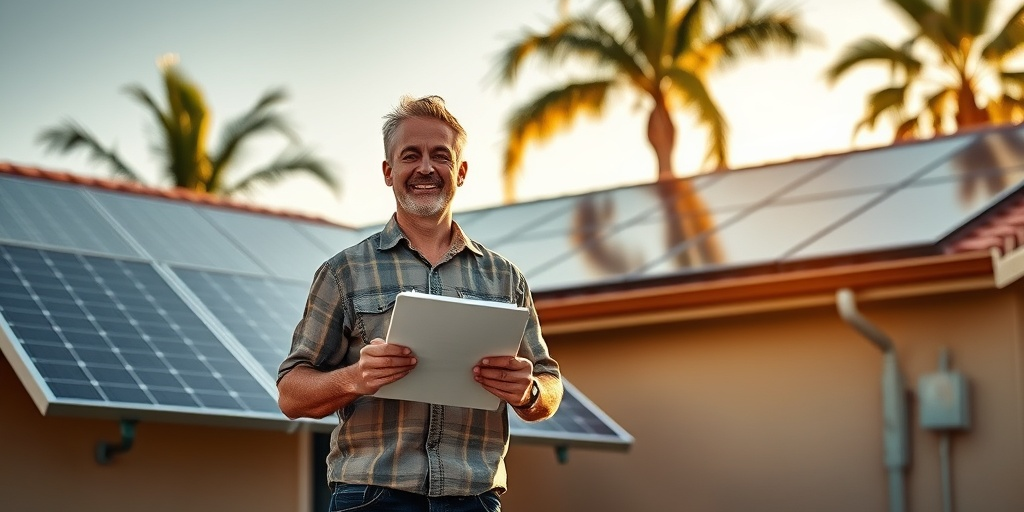
Are you aware that a well-maintained solar panel system can easily boost your energy output by 20% or more? That’s a substantial increase, considering the average Florida household spends around $1,200 annually on electricity (EIA.gov). If you think solar power is a set-and-forget solution, it’s time to reconsider your approach. Proper solar panel maintenance not only enhances system performance but also extends the lifespan of your investment, ensuring you effectively leverage Florida’s abundant sunshine to cut your electric bills significantly. In 2025, Florida homeowners will see heightened benefits from solar energy with new legislative incentives and evolving technology making solar an even more attractive option. Excited to learn more? Our blog, titled “Expert Insights on Solar Panel Maintenance for Peak Performance,” delves deep into the intricacies of solar panel upkeep. We’ll cover the critical aspects of maintaining solar systems, demystify common myths, provide actionable steps, and guide you through best practices for peak performance. Here are the five sections we’ll explore: Case Studies illustrating real-life benefits, a detailed checklist for solar maintenance, myth-busting surrounding solar maintenance, local insights into Florida’s energy landscape, and a technical deep dive into maintaining your solar system.
Maximize Your Solar Investment: The Importance of Solar Panel Maintenance
To truly understand the significance of regular maintenance, let’s look at the story of Mary, a homeowner in Ormond Beach, Florida. Mary decided to install solar panels on her roof two years ago, driven by a desire to reduce her energy bills and contribute to environmental sustainability. Initially, she was pleased with her energy savings; her average monthly electric bill was slashed nearly in half. However, she soon noticed a decline in energy production after a heavy rainstorm and subsequent dust accumulation on the panels. Unfortunate for her, without proper maintenance, the solar energy output decreased, prompting a costly service call. This scenario is not uncommon among homeowners; understanding proper panel upkeep can avoid such pitfalls.
According to the latest research, most solar panel systems are capable of producing up to 90% of their initial energy output after 25 years, assuming they receive regular maintenance (NREL.gov). However, a lack of attention can lead to significant energy losses and increased costs. In fact, neglecting your solar panels can decrease their energy efficiency by as much as 20-25% over time (Energy.gov). Thus, regular maintenance is not just beneficial; it is essential for maximizing your system’s potential and ensuring its longevity.
Let’s explore the five essential components of effective solar panel maintenance that can make a profound difference in performance, safety, and longevity. The first is understanding how weather conditions in Florida can impact your solar panels, which often requires specific maintenance strategies. Next, we’ll move into actionable checklists you can implement to maintain your system. After that, we’ll debunk common maintenance myths that might be deterring you from taking action. Following this, we’ll provide local data essential for Floridians looking at solar. Finally, we’ll aim for a deeper technical dive into the varied components of your solar system.
Your Solar Lifeline: Key Maintenance Practices for Peak Performance
Effective solar panel maintenance isn’t just about cleaning; it involves a comprehensive understanding of how various environmental factors affect the systems. Let’s delve into a well-structured case study—our fictional friend Mary represents thousands of Florida homeowners who can easily optimize their solar power system through effective maintenance.
Case Study: Mary’s Journey to Optimal Solar Performance
Mary took a journey from initial joy to frustration and finally to empowerment regarding her solar energy system. After installation, she was ecstatic with her energy savings. But as time rolled on, after tropical storms and the inevitable dust accumulation, her panels required maintenance that she initially overlooked. Not just washing them periodically, but understanding how to assess their performance metrics was crucial.
Moreover, her installer suggested she should monitor the inverter readings online. With even minor impairments like partial shading from nearby trees or debris covering panels, she could pinpoint significant production drops in her system. Armed with this information, Mary began regular inspections of her panels and scheduled professional maintenance once every two years, which prevented significant losses.
- Action 1: Assess your panels monthly—clean and inspect them for damages.
- Action 2: Identify and remove any potential shading obstructions such as overhanging branches.
- Action 3: Pay attention to your inverter readings to catch drops in performance early.
Thanks to her diligent approach, Mary not only regained her previous energy output but increased it significantly by another 15% through timely interventions. Her dedication exemplifies that anyone can achieve peak performance from their solar systems with appropriate maintenance.
Checklist for Solar Panel Maintenance
Here’s your streamlined Checklist for Solar Panel Maintenance:
- Step 1: Inspect Panels Regularly: Check for dirt, debris, and noticeable damage each month.
- Step 2: Clean Your Panels: Use soft cloths or a low-pressure washer; avoid harsh chemicals.
- Step 3: Monitor Performance: Keep tabs on inverter performance and check your energy bills monthly.
- Step 4: Schedule Professional Inspections: Encourage professional checks at least once every two years.
- Step 5: Stay Informed on Local Weather Patterns: Understand how severe weather can impact system performance and prepare accordingly.
By following this checklist, you’re not only ensuring your solar panels operate optimally but also fostering a long-term relationship with your energy source, maximizing solar savings.
Myth-Buster: Common Misconceptions around Solar Maintenance
- Myth #1: Solar panels don’t need maintenance.
- Myth #2: Rain is enough to clean solar panels.
- Myth #3: Maintenance is costly.
- Myth #4: It’s okay to ignore tree growth around solar panels.
- Myth #5: DIY maintenance is sufficient.
Fact: Like any other technology, solar panels require regular care to ensure efficiency. Dust and debris can significantly reduce performance, sometimes up to 25% (NREL.gov).
Fact: While rain can help, it doesn’t replace the need for regular cleaning, especially in dusty climates like Florida where pollen and dust accumulate quickly. A thorough inspection after storms is best.
Fact: Think of maintenance as an investment. Regular upkeep often saves homeowners money in energy costs and prevents larger, costly repairs down the road.
Fact: Shading from tree branches can reduce solar output by substantial margins; proactive pruning can ensure maximum sun exposure.
Fact: While DIY checks are useful, professional assessments identify hidden issues that could lead to serious performance losses.
By rebuffing these myths, we empower homeowners to take meaningful action regarding their solar maintenance, ensuring their systems reach peak performance.
Local Insights: Florida-Specific Tips and Trends for Homeowners
In the realm of solar energy, the location plays a vital role in how systems perform. The Sunshine State benefits immensely from extended periods of sunlight, making it ideal for solar energy utilization. However, Florida’s weather patterns can introduce unique challenges to maintaining solar panels. Seasonal storms, humidity, and allergens have different implications for system performance. Here, we will dissect some essential Florida-based statistics and insights that every homeowner considering solar should know.
One crucial aspect to understand is that Florida ranks number one in the nation for installed solar capacity, with over 15 gigawatts (MW) of solar power installed in homes and commercial properties (SEIA.org). This expansive growth offers a pool of opportunities for energy savings and financial incentives designed to encourage more homeowners to switch to solar power.
Florida-Specific Insights
- 1. Hurricane Preparedness: Ensure your panels are securely installed and that your home is compliant with local codes to withstand high winds.
- 2. Local Incentives: Florida’s energy policies often include tax credits and rebates for homeowners who install solar systems; be sure to investigate those!
- 3. Service Providers: Selecting a local solar provider can ensure they understand the unique environmental conditions that affect solar performance in Florida.
Engaging with local providers, such as floridaelectricandsolar.com, can guide you in navigating these insights and maximizing your investment.
Technical Deep Dive: Understanding Your Solar System
To ensure peak performance, it’s essential to delve into the specific components of a solar energy system, such as panels, inverters, batteries, and energy management systems. Each of these elements plays a pivotal role in how effectively your system operates.
Understanding Panels, Inverters, and Batteries
Your panels are arguably the most critical component; they harness sunlight and convert it into usable electricity. Regularly cleaning and inspecting them ensures that this process remains efficient. Inverters, on the other hand, convert this DC power into AC power used in your home; without proper maintenance, the inverter could fail, resulting in reduced energy production.
Battery storage systems—a growing trend in solar energy—allow homeowners to store excess solar energy for use at night or during peak demand periods. The longevity and efficiency of these batteries are directly linked to how well they are monitored and maintained over time.
Billing and Energy Management
Once you’ve invested in solar energy, understanding the nuances of net metering and billing is vital. Here are steps to follow:
- 1. Review your electric bills monthly to manage expectations about energy production vs. consumption.
- 2. Keep track of any credits accrued through net metering when excess energy is sent to the grid.
- 3. Engage with your utility provider about billing policies; ensure you are aware of potential changes in net metering across Florida.
By ensuring that both the technical aspects of your solar system and your energy management are on point, you open the door to maximizing your solar savings and enhancing your system’s longevity.
Next Steps for Florida Solar Buyers in 2025
If you’re considering making the switch to solar energy in 2025, here’s a practical action plan to ensure you’re fully prepared for the journey ahead:
- Step 1: Audit Your Electric Bill: Understand your current energy usage and expenses to evaluate potential savings.
- Step 2: Research Local Incentives: Familiarize yourself with available tax credits and state incentives.
- Step 3: Choose a Reputable Installer: Investigate local providers with a strong track record in Florida solar installations.
- Step 4: Schedule a Consultation: Connect with experts who can guide you through the installation process and discuss financial options.
- Step 5: Plan for Maintenance: Establish a maintenance schedule from the onset to ensure the longevity of your solar investment.
By following these steps, you will be empowered to approach solar energy confidently, setting the stage for maximizing returns on your investment and achieving energy independence.
Conclusion: Seizing the Solar Advantage in 2025
Throughout this article, we’ve examined the essential aspects of solar panel maintenance to ensure peak performance. From compelling stories about local homeowners like Mary to actionable checklists and myths that hinder adoption, it’s clear that regular upkeep is paramount. With the growing importance of solar energy in Florida—especially given the upcoming enhancements to incentives and technological progress—there has never been a better time to invest in solar.
Our deep dive emphasized the importance of understanding each component of your solar system, as well as Floridians’ unique weather patterns influencing maintenance strategies. In doing so, we highlighted that regular monitoring and preparing for environmental impacts can significantly leverage your energy output while prolonging system lifespan.
As you embark on this journey, keep the urgency in mind: every moment without solar power is a missed opportunity to save on energy costs and to contribute to a sustainable future. The excellent news is that resources and information are at your fingertips, with companies like floridaelectricandsolar.com ready to assist you every step of the way.
Ready to start your solar journey in 2025? Connect with a certified expert at floridaelectricandsolar.com today.
Related Articles
More insights about Solar Panel

Florida Homeowners: Why Solar Panel Maintenance Is Essential

7 Essential Steps for Solar Panel Installation Success

Expert Insights: Key Factors Influencing Solar Panel Lifespan
Ready to Go Solar?
Have questions about solar energy? Our experts are here to help you make the switch to clean, renewable energy.