
Expert Insights on Solar Panel Maintenance for Peak Performance
Share:
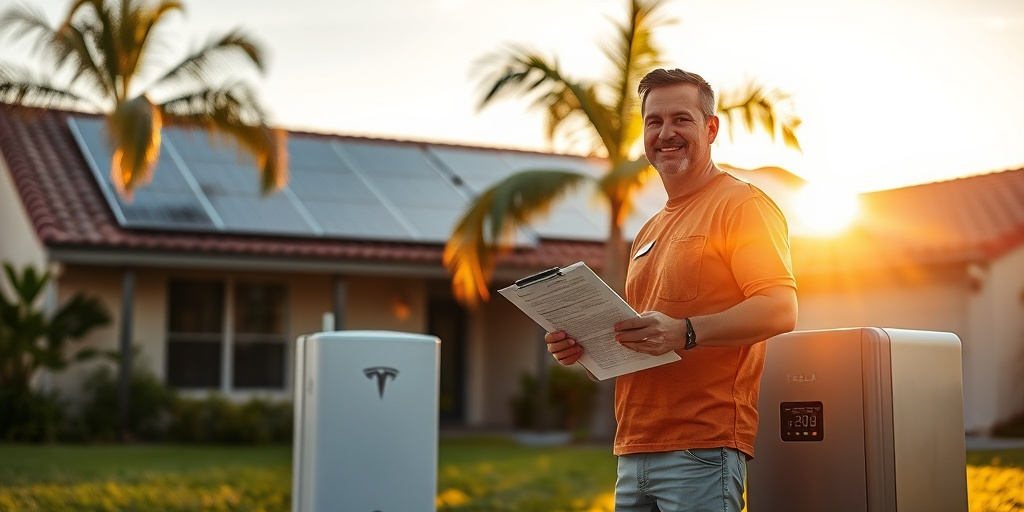
Imagine a sunny Florida day. The bright sun pouring down on your roof, as your solar panels hum silently, converting sunshine into clean electricity. According to the Solar Energy Industries Association, the Sunshine State has over 19 gigawatts of installed solar capacity—enough to power more than 3 million average homes in Florida (SEIA.org). As we step into 2025, an era marked by increasing energy costs, greater emphasis on sustainable practices, and enticing incentives for solar adoption, ensuring your solar power system remains efficient is more crucial than ever. That’s where our topic today comes in: Expert Insights on Solar Panel Maintenance for Peak Performance.
Proper solar panel maintenance is not just a recommended practice; it’s an essential aspect of ownership that enhances performance and longevity while maximizing your return on investment. In Florida, where sunlight is abundant yet sometimes accompanied by the elements—heavy rains, hurricanes, and humidity—understanding how to care for your solar panels is vital. Sadly, many myths persist that could mislead homeowners, causing them to undervalue routine maintenance. Did you know that dust, dirt, or debris can reduce solar energy production by up to 25%? (Energy.gov) In this article, we aim to tackle these issues head-on, delivering expert insights that you, as a Florida homeowner or commercial property owner, can utilize for optimal solar performance.
In this extensive guide, we will explore:
- The critical steps of solar panel maintenance through a compelling case study.
- A detailed checklist that covers everything you need to maintain your system effectively.
- Common myths associated with solar maintenance and the facts that debunk them.
- Florida-centric considerations that apply to our unique climate and conditions.
- A technical deep dive into how systems function and how to maximize efficiency.
As we dive deeper into this topic, we’ll present actionable steps backed by research and data, guaranteeing that your solar energy system continues to innovate and support your home or business. This knowledge is crucial as 2025 brings not only new policies but also a pressing need for informed decisions regarding sustainable energy. So, let’s embark on this enlightening journey into the realm of solar panel maintenance!
Case Study: Florida Homeowners Who Thrived with Proper Maintenance
Meet the Thompsons, a family residing in Fort Lauderdale, who decided to invest in solar panels in early 2021. Like many Florida homeowners, they were drawn to solar energy by the potential for significant savings on their electric bills and their commitment to a sustainable future. Initially, the family enjoyed the benefits of their new solar power system. However, after several months without any maintenance, they noticed a marked decrease in energy production, causing concern and confusion. What went wrong?
As the Thompsons discovered, a combination of weather-related factors and neglecting maintenance duties had taken a toll on their solar panel efficiency. Operational inefficiencies can arise from simple issues such as dust accumulation, debris blocking sunlight, or even malfunctioning parts like inverters. In fact, a report from SolarReviews indicates that regular maintenance can help bolster system performance by as much as 30% (SolarReviews.com). This staggering statistic highlights the importance of understanding how to maintain a solar energy system properly.
The good news is that after realizing their oversight, the Thompsons quickly sought expert guidance to rectify the situation. They undertook a simple yet effective maintenance routine that included the following steps:
- Routine Cleaning: Scheduling regular cleaning sessions for their panels to remove dust and debris.
- Component Checks: Conducting monthly checks of the inverter and other components, ensuring that everything was functioning optimally.
- Monitoring Performance: Utilizing online monitoring tools to track energy production consistently.
- Professional Assessments: Annual professional assessments to ensure the overall health of the system
After implementing these strategies, the Thompsons saw a remarkable increase in energy production, confirming that proper maintenance is a game-changer. Their story emphasizes that systematic care and maintenance can make all the difference in enjoying a reliable source of energy and reducing electric bills. In the next segment, we’ll outline the essential steps you should take to keep your solar panels running smoothly.
Essential Solar Panel Maintenance Checklist: Five Key Steps to Follow
Keeping your solar panels in peak performance requires a comprehensive checklist to guide your routine maintenance. Maintaining your system is not only essential for maximizing efficiency but also vital for extending its lifespan. Here’s a clear, actionable guide to follow:
- Step 1: Regular Cleaning
Dust, pollen, and bird droppings can hinder energy production by blocking sunlight. Aim to clean your solar panels at least twice a year. You can do this safely with a soft brush or by hiring professional services. In areas prone to more debris, consider cleaning them quarterly.
- Step 2: Monitor Energy Production
Most solar panel systems have monitoring systems that provide real-time feedback on energy output. Regularly check these readings to identify any sudden drops in production, which can be an indicator of a problem.
- Step 3: Visual Inspections
Take time to inspect your solar panels from the ground. Look for any obvious damage, such as cracks or displacements, that might need attention. This should also include checking for any shading caused by overgrown trees.
- Step 4: Check the Inverter
The inverter is a crucial part of your solar system that converts the power generated by your panels into usable electricity. Keep an eye on your inverter’s status light; a red or orange light can indicate an issue that might require a professional check.
- Step 5: The Professional Assessment
Consider scheduling an annual professional inspection. A technician can make sure all components are working optimally, catch minor problems before they escalate, and perform repairs as needed. This investment can save you money in the long run and prolong the lifespan of your system.
This checklist does not only facilitate proper solar panel maintenance but also aids in maximizing your investment while allowing you to own your power effectively. As you prepare to take these steps, consider researching local service providers experienced in solar solutions and maintenance specific to Florida’s climate. For additional information on choosing the right provider, visit floridaelectricandsolar.com.
Myth-Busters: Debunking Common Misconceptions About Solar Maintenance
The world of solar energy is littered with myths that can mislead homeowners, causing unnecessary anxiety or missteps in maintenance. It’s time to put these myths to rest:
- Myth #1: Solar Panels Don’t Need Maintenance
Many believe that solar panels are a “set and forget” investment. In reality, regular maintenance is crucial for optimal performance, helping prevent long-term damage and enhancing efficiency.
- Myth #2: Rain Cleans My Solar Panels
While rain can help wash away some grime, it’s often not enough. Dust and debris can accumulate on panels, leading to decreased energy production; thus, manual cleaning is usually necessary.
- Myth #3: My Panels Will Last Forever Without Maintenance
Even high-quality solar panels need periodic checks. Neglect can lead to significant declines in functionality, making the upfront investment much less worthwhile.
- Myth #4: All Solar Panels Are the Same
Different panels have different specifications, lifespans, and warranties. Understanding your specific system and its needs is critical for effective maintenance.
- Myth #5: DIY Solutions Are Always Fine
While some minor issues can be solved independently, serious concerns require professional attention. Prioritize safety and efficiency; errors made during DIY efforts can potentially void warranties or worsen issues.
By debunking these myths, you empower yourself to make informed decisions that keep your solar panels at peak performance. Your system’s efficiency is in your hands—and so are your energy savings. Be proactive in the maintenance of your solar energy system and experience its full benefits.
What Florida Homeowners Should Know During 2025
As we step into 2025, understanding the local landscape is more important than ever for Florida homeowners considering solar energy. The implementation of several governmental incentives and rebates makes this the perfect time to invest in solar power.
Florida ranks third in the U.S. for solar energy generation—this could increase significantly in the coming years. Florida Power & Light, the state’s major utility provider, has committed to expanding solar capacity significantly by investing in local solar farms, which could translate to more accessible options for homeowners (FPL.com). Here are a few key considerations for local solar power buyers:
- Embrace Local Incentives: Florida has a numerous local and state incentives aimed at boosting solar energy adoption, covering everything from tax credits to property tax exemptions for solar installations.
- Keep an Eye on Legislative Changes: Changes in policies and regulations can significantly impact solar power’s economics in Florida. Be aware of upcoming bills that might affect solar incentives in your area.
- Network for Local Support: Engage with local solar communities online or in-person, providing opportunities to gain insights and best practices from other Florida homeowners who have made the leap to solar.
Implementing solar energy represents a pivotal shift towards a sustainable future—one that significantly impacts your household expenses, energy independence, and your contribution to a healthier environment.
Technical Deep-Dive: Getting to Know Your Solar Energy System
A deeper understanding of your solar energy system’s components can significantly improve your maintenance practices. At its core, a solar power system consists of solar panels, an inverter, batteries, and support structures, all working in synergy to convert sunlight into usable electricity. Understanding how each part functions can help you identify areas for regular checks and necessary maintenance.
Solar panels absorb sunlight and convert it into direct current (DC) electricity. The inverter then changes this electricity into alternating current (AC)—the standard used in homes—allowing you to power your lights, appliances, and devices. However, the inverter itself is a complex component that requires close attention. If it malfunctions, your system’s ability to convert solar power is compromised. Common indicators that your inverter needs attention include:
- Flashing red light or error messages on the display
- Inconsistent power readings from your solar monitor
- Unexplained dips in solar production
Additionally, battery systems can store surplus energy for use during periods of low sun availability. Lithium-ion batteries are commonly used for their efficiency and longevity. Regular checks of battery connections and voltage readings are necessary to ensure optimal performance. Proper maintenance here can prevent major replacements down the line.
Understanding energy billing can also provide insights into your solar savings. Many homeowners are unfamiliar with net metering, which allows you to sell excess electricity generated back to the grid. Knowing how to check your energy bill regularly can help you evaluate savings and pinpoint performance issues. If you notice discrepancies in energy returns or unexpected fees, it could indicate a need for maintenance.
As you become more familiar with these components, you’ll be in a better position to ensure your solar panel system performs at its best. If you have questions or need more information, our experts are available to guide you through any concerns.
Next Steps for Florida Solar Buyers in 2025
After learning about the importance of solar panel maintenance, it’s time to take action. Here’s a straightforward plan that every Florida homeowner can follow :
- Step 1: Audit Your Electric Bill
Begin by reviewing your electric bills for the past year. Determine your average usage and costs, making it easier to gauge the potential savings from solar energy.
- Step 2: Research Incentives
Check out local and state incentives that can significantly reduce the upfront costs of solar installation through tax credits, rebates, or financing options.
- Step 3: Consult With Experts
Contact solar energy experts for consultations, allowing you to receive personalized insights tailored to your specific property and energy needs.
- Step 4: Schedule an Assessment
Schedule a professional assessment of your home. This will help identify the best solar solutions while addressing potential obstructions or technical limitations.
- Step 5: Plan for Maintenance
Establish a maintenance schedule even before installation occurs. This proactive approach will help you stay ahead of potential issues and ensure long-lasting performance.
All of these steps provide a clear, actionable path toward realizing the full benefits of solar energy. Take initiative now, and position yourself for success by making informed decisions every step of the way. For further assistance and localized options, check out floridaelectricandsolar.com.
In summary, routine solar panel maintenance will significantly influence the performance and longevity of your solar system. Proper care enhances efficiency, maximizes energy production, and ultimately allows you to enjoy substantial savings while protecting the environment. As you consider your energy options in 2025, reflect on the valuable insights shared here about maintenance and the advantages of solar energy.
Ready to start your solar journey in 2025? Connect with a certified expert at floridaelectricandsolar.com today.
Related Articles
More insights about Solar Panel

Florida Homeowners: Why Solar Panel Maintenance Is Essential

7 Essential Steps for Solar Panel Installation Success

Expert Insights: Key Factors Influencing Solar Panel Lifespan
Ready to Go Solar?
Have questions about solar energy? Our experts are here to help you make the switch to clean, renewable energy.