
Expert Insights on Solar ROI Breakdown for Your Home
Share:
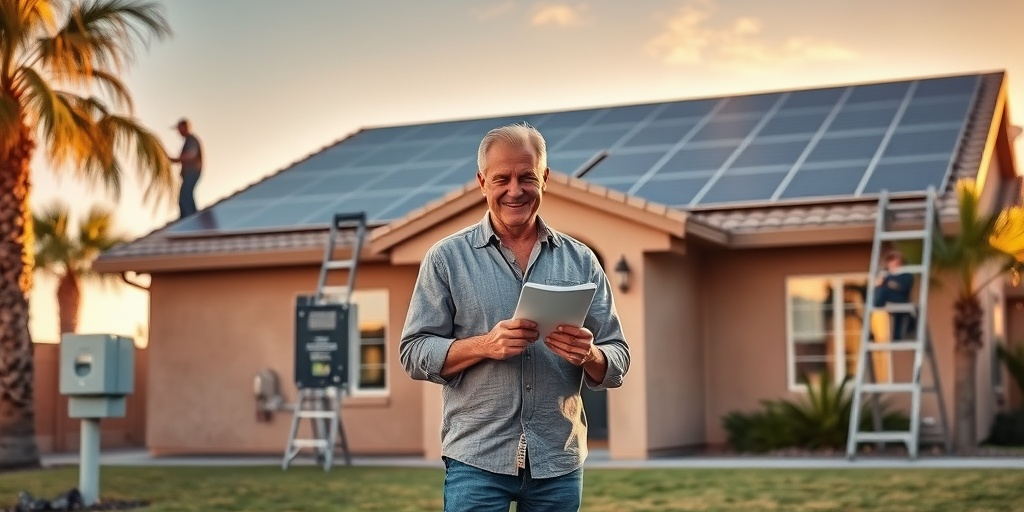
In the land of sunshine, Florida boasts an average of 237 sunny days each year, making it an ideal location for harnessing solar energy to power homes and businesses. With rising utility rates predicted to increase by 3–4% annually over the next decade (Energy.gov), homeowners are clamoring for innovative solutions to cut electric bills and secure financial stability. One such solution is solar energy, which not only saves money but also contributes to the environment. But how can you navigate the complexities surrounding the financial returns of solar energy? In our comprehensive guide titled Expert Insights on Solar ROI Breakdown for Your Home, we delve into the key factors that can affect your solar investment, helping you maximize your returns while protecting your family’s future.
Why does understanding Solar ROI hinge on 2025? New tax incentives favoring solar adoption are set to roll out, making it a crucial time for homeowners to educate themselves. Additionally, unpredictable weather patterns, prompted by climate change, can lead to grid instability and surges in energy demand. As solar becomes a necessity for energy independence and resilience, understanding Return on Investment (ROI) is more vital than ever.
This blog will cover five key insights to empower you on your solar journey:
- Detailed Analysis of Solar ROI — Unravel the elements that contribute to a positive solar investment.
- Actionable Steps for Solar Preparation — A step-by-step checklist that will guide you through the process.
- Misinformation Debunked — Uncover common myths and misconceptions surrounding solar energy.
- Local Focus: Florida’s Unique Landscape — Learn about policies and incentives specific to the Sunshine State.
- Technical Deep-Dive into Solar Systems — Gain a deeper understanding of solar technology and financial factors.
Let’s illuminate the path to your solar-powered future.
Understanding Solar ROI: A Detailed Analysis
When we think about solar energy, it’s essential to understand that a solar investment isn’t just about the upfront costs. A thought-provoking case study highlights the journey of Laura, a single mother residing in Orlando, who opted for a solar installation in early 2022. Laura’s electric bill averaged $220 a month—a significant expense that strained her family’s budget. Following thorough research, she decided to partner with Florida Electric & Solar to install a 10 kW system, utilizing the 26% Federal Investment Tax Credit available at the time.
By investing $25,000 in her solar panels, Laura expected to recover that investment within ten years. The math was simple: after accounting for tax credits and decreased utility expenses, her projected ROI was approximately 20% over 20 years. What she didn’t expect was just how satisfying it would be to watch her energy bills dwindle to nearly zero, thanks to the solar panels generating 80% of her household’s energy needs.
Here’s a quick checklist of factors affecting solar ROI in Florida:
- Incentives and Tax Credits: Existing incentives such as the Federal Solar Tax Credit are crucial. This generous 26% rebate applies to the cost of solar energy systems installed by the end of 2022, gradually decreasing thereafter.
- Florida’s Net Metering: Under Florida’s net metering program, homeowners can sell excess power generated back to the grid, maximizing their ROI. This system is vital in calculating potential energy savings.
- Utility Rates: With an increase in utility rates, switching to solar can yield significant savings. Currently, over 60% of Floridians are paying more than $100 per month for electricity—an expense that can be reduced through solar energy.
- System Maintenance: Understanding the long-term maintenance and operational costs of solar systems will directly impact your ROI. Generally, solar panels require minimal upkeep, but budgeting for occasional maintenance can enhance your investment.
- Solar Financing Options: Financing options like solar loans, leases, or PPAs (Power Purchase Agreements) can spread the upfront cost of solar, allowing for calculations on long-term savings based on monthly payment structures.
Consider this: the average Florida homeowner will see an average savings of $15,000 over the lifespan of a solar system—a monumental financial advantage that can alter personal and family landscapes (SEIA.org). Now, let’s dive deeper into some common misconceptions that could thwart your solar journey.
Misinformation Debunked: Myths About Solar Energy
Busting the myths surrounding solar energy is just as critical as understanding its economic benefits. Many people still harbor skepticism that can delay their decision to go solar. Let’s clarify these misbeliefs.
- Myth #1: Solar is Too Expensive: While there is an upfront cost, the long-term savings and benefits often outweigh these initial investments. With various financing options available, many homeowners find solar systems more accessible than ever.
- Myth #2: Solar Energy Only Works in Sunny Areas: Although Florida has ample sun, solar panels are designed to function efficiently in different weather conditions, including cloudy days. So, don’t let the weather deter you.
- Myth #3: Solar Energy Requires Constant Maintenance: Most solar panel systems require only minimal maintenance—in reality, the regular cleaning and occasional inspection are often sufficient.
- Myth #4: The Installation Process is Complex: Partnering with an expert, such as Florida Electric & Solar, simplifies the installation process, guiding you through local regulations and requirements with ease.
- Myth #5: Solar Panels Damage Roofs: This is a rampant misconception. In fact, properly installed solar panels protect your roof from weather elements and prolong its lifespan.
Debunking these myths is crucial for potential adopters, as they can greatly impact the decision-making process. With the right information, savvy homeowners can confidently navigate the solar landscape. Now let’s dive deeper into how Florida’s unique landscape provides additional incentives and growth opportunities for those considering solar energy.
Florida’s Unique Landscape: Local Focus on Solar Policies
If you’re considering a solar investment, knowing Florida’s specific policies is crucial. In recent years, the Florida legislature has enacted numerous measures aimed at promoting solar adoption, thereby offering attractive incentives to both residential and commercial solar users. Here’s a brief overview of some key features:
- No State Sales Tax: Florida homeowners benefit from a 100% exemption on state sales tax for solar energy systems, a significant cost-saving measure for any solar installation.
- Net Metering: Florida law requires utilities to offer net metering, allowing homeowners to receive credits for excess electricity supplied to the grid, effectively reducing utility bills.
- Flexible Financing: A variety of financing options are available—such as solar loans, leases, or PPAs—allowing customers to choose what best fits their financial needs.
Additionally, Florida recently ranked second in the nation for solar installed capacity, with over 5,418 MW of solar energy installed statewide by 2022 (SolarReviews.com). This surge reflects the increasing acceptance of solar solutions by both residents and businesses, making it a hotbed for renewable energy enthusiasts.
As we embrace the solar revolution, homeowners can leverage various financing solutions and incentives. But you may wonder what installation practices will yield the best results. Let’s explore the best practices for solar installation in 2025.
5 Expert Solar Installation Tips for 2025
Installing solar panels is a precise science that requires careful consideration and expertise. Here are five expert tips to ensure that you get the most out of your solar investment:
- Select a Reputable Installer: Research local companies and choose an experienced installer with positive reviews and proven reliability to ensure a seamless process.
- Don’t Skimp on Panel Placement: Maximize energy production by focusing on the ideal orientation and angle for solar panels. The right position allows for increased efficiency and returns.
- Consider Battery Storage: Investing in a battery storage system provides added security and energy independence, particularly beneficial during power outages or emergencies.
- Monitor Energy Production: Use online tools and apps to track your solar energy production. This vigilance enables homeowners to stay informed and make any needed adjustments to their system.
- Stay Informed on Legislation: Familiarize yourself with state and federal solar laws to take full advantage of incentives and rebates available, ensuring maximum ROI on your investment.
These simple yet actionable practices can enhance the performance and longevity of your solar panel system, which is crucial as you aim for optimal ROI. But what does the journey toward solar ownership truly look like? Let’s paint a relatable picture through the story of a Florida homeowner navigating the solar landscape.
A Journey Toward Solar Ownership: A Florida Homeowner’s Story
Meet Chris, a family man from Tampa who found himself frustrated with rising electricity costs. After several months of rising utility bills and a looming sense of environmental responsibility, he decided to take action and switch to solar energy. Unlike Laura, Chris faced several initial doubts—was solar really worth it? Would the savings be significant enough to warrant the inevitable initial outlay? Nonetheless, motivated by renewable energy’s promise for his children’s future, he took the plunge.
The installation process began with professional consultations and evaluations from Florida Electric & Solar. Within weeks, the system was installed, and they began to monitor performance. By tracking usage through their online portal, Chris found the installed 8 kW solar system was capable of supplying all their energy needs, generating enough surplus energy to feed back to the grid daily, thanks to net metering.
The journey was far from over; Chris faced some unexpected challenges:
- Understanding the complexities of maintaining his new system.
- Inquiring about potential upgrades, such as additional battery storage systems.
- Managing electrical demands during peak periods, particularly during Florida’s hot summer months.
However, armed with an understanding that solar energy was about long-term savings and sustainability, Chris learned to navigate the nuances. Six months in, he reported seeing a 75% reduction in his electric bill and an accelerated payback period based on the utility savings. His decision to go solar proved transformative—not just financially but ecologically as well. Chris marked the date his family became energy independent, inspiring neighbors in his community to consider similar pathways.
Next Steps for Florida Solar Buyers in 2025
As you consider adopting solar energy, taking actionable steps toward purchase ensures a smoother transition into renewable energy. Here’s your step-by-step action plan to get you going:
- Audit Your Electric Bill: Review your recent electric bills to estimate potential offset savings by switching to solar.
- Research Local Installers: Look for reputable solar installation companies with high ratings and customer satisfaction scores. Partnering with the right company is essential.
- Understand Your Finances: Examine financing options available to you—solar loans, leases, or cash purchases. Understanding your budget will play a crucial role in your decision-making process.
- Consult with Experts: Discuss your plans with professionals at Florida Electric & Solar to obtain tailored insight while evaluating your property.
- Make the Switch: Once all steps have been taken, it’s time to finalize your installation and enjoy the savings that come with being a solar energy owner!
By following these vital steps, embracing solar energy becomes a seamless experience. With stable energy rates on the horizon, it’s imperative to act sooner rather than later. The sooner you start, the sooner you maximize your solar savings.
Conclusion: Your Solar Pathway Awaits
As we’ve explored the multifaceted aspects surrounding solar ROI in Florida, the importance of understanding financial investments in solar systems becomes clearer. The journey taken by homeowners like Laura and Chris not only illustrates the power of solar energy but emphasizes its ability to transform lives while creating a sustainable future. By educating yourself on solar technologies, overcoming misconceptions, and leveraging Florida’s solar incentives, you can position your family for long-term success and savings.
The urgency to make informed solar decisions has never been greater. As utility costs surmount and incentives taper off, acting in 2025 positions you to take full advantage of savings. The positive impact on your family’s finances and the environment collectively affirm that choosing solar is a profound decision.
Ready to start your solar journey in 2025? Connect with a certified expert at floridaelectricandsolar.com today.
Related Articles
More insights about Solar ROI

Expert Insight: Understanding Solar ROI Breakdown for Florida Homeowners

Beginner’s Guide to Solar ROI Breakdown for Your Home

Expert Insight on Solar ROI Breakdown for Florida Homeowners
Ready to Go Solar?
Have questions about solar energy? Our experts are here to help you make the switch to clean, renewable energy.