
What Are the Financing Options for Solar Panel Installation?
Share:
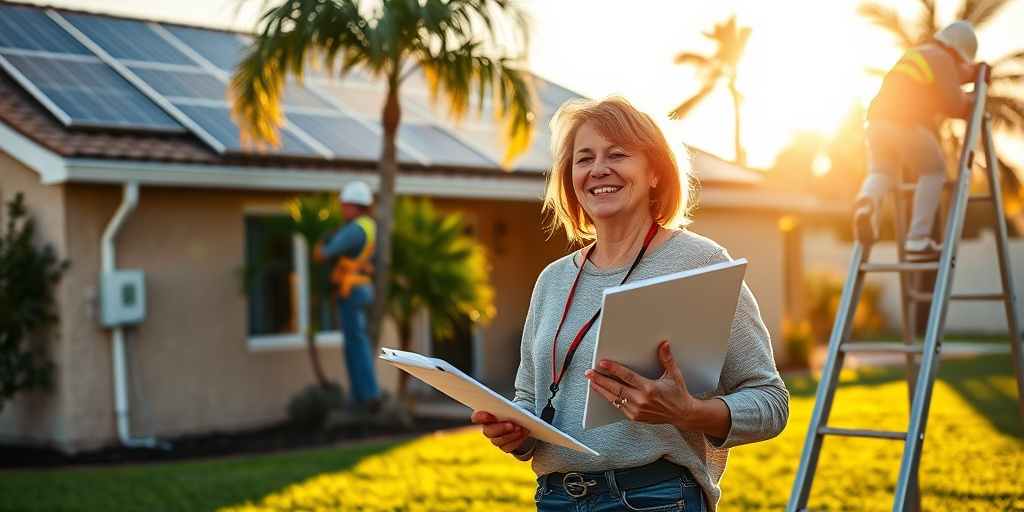
In the Golden State, the sun reigns supreme, bringing radiance and energy to millions of homes. But, did you know that over 130,000 Florida homes now leverage the power of solar energy? As we move forward into 2025, making the leap to solar power has never been more crucial. Rising energy costs, coupled with impending legislation, create a landscape where savvy homeowners must explore every available option to empower their homes while slashing utility bills. This brings us to the critical question: What Are the Financing Options for Solar Panel Installation? Understanding your financing options is essential, not just for reducing upfront costs but for unlocking ongoing savings and future investments in clean energy technology. As we dive deeper into this sunlit topic, we’ll explore a case study revealing how one Florida homeowner transformed their roof into a solar powerhouse, actionable steps to guide your financing journey, myths that may be holding you back, the local implications for Florida homeowners, and in-depth technical insights that peel back the layers on solar installation financing.
Whether you are considering a simple residential system or a hefty commercial array, evaluating the financing options is paramount as it will help leverage available tax credits and state incentives, currently valued at 30% federal tax credits for systems installed before 2033 (Energy.gov). With the potential for savings reaching thousands, it’s an investment you cannot afford to ignore. As energy price volatility becomes a norm, choosing solar power enables Florida residents to own their energy future. Let’s shine a light on your financing options step-by-step.
Financing Options: Powering Your Solar Dreams
Let’s start by exploring a poignant case study: meet Sarah, a devoted Florida homeowner who took the plunge into solar nearly two years ago. Torn between anxiety over her skyrocketing electric bills and a yearning to contribute to the environment, Sarah turned to Florida Electric & Solar for guidance. Faced with installation estimates of $25,000, she feared the immense upfront cost; however, what she unearthed changed her perspective dramatically.
Working closely with her solar consultant, Sarah learned about several financing options, leading to a well-planned approach that suited her financial situation. By opting for a solar loan with competitive interest rates, Sarah reduced her initial financial burden and took advantage of state rebate programs that ultimately decreased the total cost of her system by 23%. Armed with a checklist of options and thoughtful guidance, Sarah felt empowered—immediately realizing savings on her electric bill even before the installation was completed.
- Step 1: Consider solar loans, which allow homeowners to borrow against the projected savings they’ll receive due to the investment.
- Step 2: Explore leasing options, where you pay a monthly rate for using the panels without ownership.
- Step 3: Look into Power Purchase Agreements (PPAs), where you pay for the solar power produced, not the panels themselves.
- Step 4: Be sure to account for federal and state incentives, which can significantly reduce costs.
- Step 5: Investigate financing options available through local Florida companies to find the best deals tailored to your area.
By engaging in this exploration, Florida homeowners can leverage financing that suits their financial goals while optimizing the system’s payback period. Sarah’s journey highlights that getting informed about available financing options can pave the way for a smoother transition into a solar-enhanced lifestyle.
Myths About Solar Financing: Debunking Misunderstandings
As enlightening as the world of solar financing may seem, several myths persistently deter Floridians from embracing this revolution. It’s time we set the record straight.
Myth #1: Solar energy is only for the wealthy.
This couldn’t be further from the truth. With financing options tailored for all budgets, solar solutions are accessible to everyone. Many companies, including Florida Electric & Solar, provide flexible payment plans to accommodate varying financial situations.
Myth #2: I’ll lose money by leasing solar panels.
In reality, leasing can often lead to reduced monthly payments compared to traditional utility bills. As solar technology becomes cheaper, the cost of leasing has drastically declined, making it an appealing choice for more homeowners.
Myth #3: The installation process is too cumbersome.
With advancements in technology, installation has streamlined significantly. Most systems can be installed within one to three days, barring any unique structural concerns.
Myth #4: Solar power doesn’t work in cloudy conditions.
Solar panels operate efficiently in diffused sunlight—Florida’s abundant sunlight means that performance is significantly enhanced throughout the year, even on cloudy days.
Myth #5: My home has to be perfect for solar panels.
While ideal conditions exist, advances in panel technology allow solar solutions to be installed on various building types, thanks to innovations like solar shingles.
It’s essential for homeowners to confront these myths boldly, understanding the realities behind solar financing to embrace the coming years as energy-efficient and cost-effective.
Local Focus: Florida’s Unique Landscape and Incentives
In 2025, Florida residents must recognize the unique landscape that solar financing presents in the Sunshine State. Florida continues to lead the nation in solar power production, with reputable solar initiatives and policies that aim to supply 8% of total electric generation from solar by 2030 (SEIA.org). Add to this the state’s generous net metering policies and incentives such as the Residential Clean Energy Credit offering 30% local rebates on solar installations, and you have an attractive environment for potential solar investors.
As you consider your financing options, assess your eligibility for state rebates, which combined with federal credits, can significantly lower your initial investment. For instance, if you invest $30,000, the federal and state incentives can instantly drop your costs to $21,000 or less. Therefore, understanding which incentives apply (and working with professionals) is vital in planning your finance strategy.
To add to this, a Florida-specific initiative offers additional financing for low-to-moderate income homeowners looking to make energy-efficient home improvements. Upon installation, many local governments provide additional support, reinforcing the belief that solar investment is a communal initiative towards sustainability.
A Technical Deep-Dive into Financing and Installations
Financing solar panel installation involves several technical elements that can confuse even the most astute homeowner. Understanding these elements is essential, both for making informed decisions and maximizing savings. First, let’s break down the difference between ownership structures: outright purchase, loans, leases, and PPAs.
Outright Purchase: You pay the total cost upfront. This method eliminates monthly payments and gives you direct access to all tax incentives and rebates, significantly reducing your long-term energy bills.
Solar Loans: With loans, you’re essentially buying your system over time. These are usually secured loans tied to the value of your home, allowing you to capitalize on immediate energy savings, while the loan is repaid over time.
Leases: Leasing agreements allow you to pay for the energy produced without ownership of the solar panels. This route can yield immediate savings with little to no upfront costs.
PPAs: A Power Purchase Agreement allows you to purchase the generated energy at a reduced rate, similar to how you’d pay for electricity from your utility provider.
Understanding financial products associated with these elements remains pivotal for homeowners assessing their next energy investment. Additionally, solar batteries have entered the market, presenting new financing models. These batteries store energy for use during peak periods, enhancing self-consumption rates and maximizing your investment’s return.
As we stride through 2025 armed with the right financing strategies, possibilities will only continue to expand. For instance, those looking into battery storage can expect future Federal tax credits for battery systems that work with solar installations, potentially saving thousands of dollars over the lifetime of the system (Energy.gov).
Next Steps for Florida Solar Buyers in 2025
Now that we have explored various financing options, it’s vital to construct a clear action plan for homeowners ready to invest. Let’s summarize the key steps:
- Step 1: Audit Your Electric Bill
Your first step should be assessing your monthly electricity expenses. This will give you a clear understanding of how much savings you’ll achieve by going solar. - Step 2: Research Available Financing Options
Explore various financing strategies from loans to leasing, taking into account what suits your financial situation best. - Step 3: Connect with a Reputable Solar Provider
Work with a company like floridaelectricandsolar.com to guide your system design and financing options. - Step 4: Evaluate Incentives
Investigate all federal and state incentive programs that apply, maximizing your overall savings. - Step 5: Make the Investment
Once everything is settled and understood, take the plunge and evolve your home towards renewable energy solutions.
Your role in this journey doesn’t end with financing—you’re participating in a broader movement toward sustainable living in Florida, one that future generations will thank you for. By embracing solar energy today, you’re optimizing your home’s economic and environmental future.
As we conclude our exploration into the financing options for solar panel installation, remember the opportunities at your fingertips. Each financing route offers different pathways leading to reduced electricity bills and financial freedom. The urgency for such a transition in 2025 resonates more than ever, with rising energy costs and incentives aligning favorably in favor of solar empowerment.
Ready to start your solar journey in 2025? Connect with a certified expert at floridaelectricandsolar.com today.
Related Articles
More insights about Solar Panel

Florida Homeowners: Why Solar Panel Maintenance Is Essential

7 Essential Steps for Solar Panel Installation Success

Expert Insights: Key Factors Influencing Solar Panel Lifespan
Ready to Go Solar?
Have questions about solar energy? Our experts are here to help you make the switch to clean, renewable energy.