
Five Common Myths About Solar Panel Installation Debunked
Share:
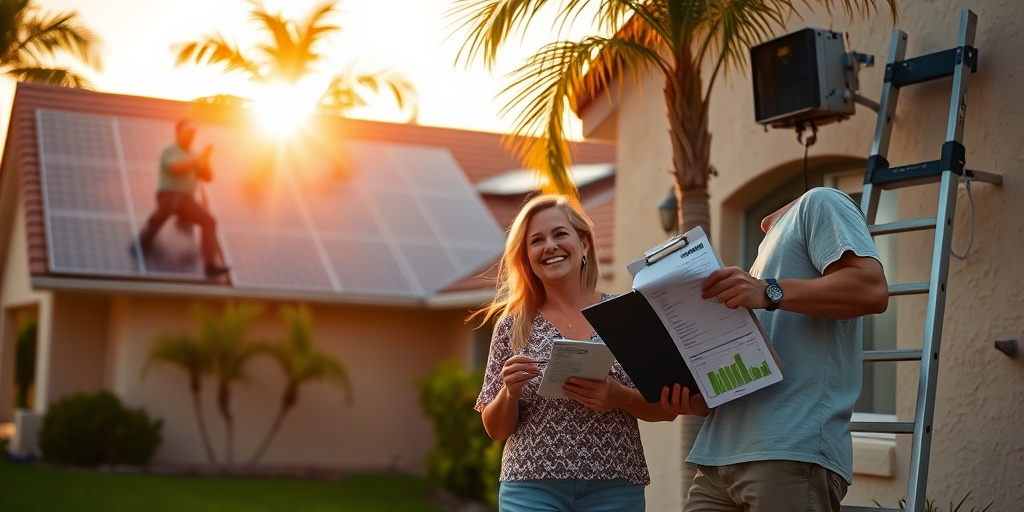
Imagine standing in your own backyard, sunlight radiating down, all while you’re watching your electric meter spin in reverse. Sounds like a dream? It’s not just a pipe dream; it’s the reality many Florida homeowners are experiencing with solar power. Despite this, numerous myths about solar panel installation continue to hold people back from embracing this renewable energy source. In fact, nearly 80% of Americans believe at least one myth about solar energy (Energy.gov). In this empowering blog post titled Five Common Myths About Solar Panel Installation Debunked, we will dissect these myths and offer the right information you need to make informed decisions. For Floridians, who are increasingly facing rising electric bills, the urgency to adopt solar has never been higher, especially with new incentives on the horizon in 2025.
As a vital issue for homeowners and business owners alike, understanding the realities of solar can serve as a transformative shift in energy consumption. Here, we’ll explore the five myths in-depth—from the misconceptions about costs to the believed inefficiency of solar technology. Each section will provide clarity, actionable insights, and practical examples to put you on the path to energy independence. Stay tuned as we embark on this enlightening journey!
Myth 1: Solar Panels are Too Expensive to Install
When Sarah, a mid-sized restaurant owner in Orlando, first considered solar panels, the initial investment seemed unaffordable. She envisioned the costs overwhelming her balance sheet. However, upon further investigation, she discovered various financial incentives making solar more accessible. Here are several ways to conceptualize costs associated with solar installation:
- Net Metering: Florida offers net metering programs which allow homeowners to receive credits for excess energy produced by their solar panels, enabling significant savings over time (SEIA.org).
- Tax Incentives: The federal solar tax credit, which currently sits at 26%, can substantially decrease the total investment of solar panel installation (DSIREUSA.org).
- Financing Options: There are multiple financing options available, including no-money-down leases and Power Purchase Agreements (PPAs), making solar economical over the long term.
Not only did Sarah end up saving on her electric bills, but she also found herself eligible for grants aimed at small businesses looking to adopt renewable energy solutions.
Now, let’s debunk some common beliefs:
- Myth #1: Solar is only for the rich. This notion is fading as solar come-down costs, and incentives make it affordable for everyone.
- Myth #2: The installation process is lengthy and complicated. By partnering with a reputable solar company, most installations can be completed in just a few days.
- Myth #3: Solar energy systems are inefficient and don’t work on cloudy days. Today’s solar technology is far more advanced and can still produce energy on overcast days.
Floridians should also consider that in 2025, new technologies are projected to further enhance overall efficiency and affordability of solar installations.
Peter, an energy analyst, defines efficiency has improved to levels where it is possible for solar panels to generate upwards of 300+ watts each. This technological progress signifies solar panels are more effective than ever—meaning a reduced dependence on the grid. Transitioning to solar ultimately proves to be a smart financial move for any homeowner or business owner, especially era of rising energy costs catches hold.
Myth 2: Solar Panel Maintenance is Expensive
Another widespread misunderstanding is that keeping solar panels in top shape involves exorbitant maintenance costs. This was once the belief of Tom, who operates a quaint beachside café in Fort Lauderdale. He initially hesitated because he thought that maintaining his solar energy system would break the bank. Here’s a checklist of what solar maintenance actually requires:
- Annual Inspections: Regular checks are encouraged but can be done by professionals at reasonable rates.
- Cleaning: Most panels are self-cleaning, but light cleaning a couple of times a year might be needed if situated in dust-heavy areas.
- Warranty Coverage: The average warranty lasts 20-25 years and usually covers repairs and replacements of underperforming equipment.
In reality, maintenance costs are a fraction of the ongoing electric costs you’ll save by having solar energy. This concept rings true for both residential and commercial owners.
Absolutely, the truth lies in evidence; Florida has recorded that solar panel systems are often built to withstand the local climate, where storms and humidity are prevalent (Florida Solar Energy Center). Keeping your solar panels operational and productive can be simplified through reliable service providers, should any issues arise.
Myth 3: Solar Panels Don’t Work in Florida
One of the most persistent myths remains: “solar panels don’t work in Florida.” This assertion suggests our fantastic sunshine somehow isn’t compatible with solar technology. Remarkably, Florida is aptly nicknamed the Sunshine State—this is no mere coincidence. Andrew, a Sarasota homeowner, transitioned to solar last year and commented, “I never realized how efficient these panels would be during Florida’s scorching summers!” Here are some reasons solar makes sense in Florida:
- High Sunlight Exposure: Florida ranks among the states with the highest hourly sunlight exposure, generating more solar energy potential than several northern states combined (Energy.gov).
- State Incentives: Programs and funding available to encourage solar adoption indicate that Florida acknowledges and supports its solar capacity.
- Growing Demand for Renewable Energy: With state policies emphasizing green energy, residents can expect stable electric rates while utilizing cleaner power options.
Additionally, infrastructure enhancements in solar technology—such as improved inverter systems and energy storage solutions—ensure peak efficiency regardless of the climate’s ups and downs. Rather not dismiss solar because of misconceptions, rather educate yourself on local options by visiting floridaelectricandsolar.com for tailored information.
Myth 4: I Can’t Afford to Go Solar
Cost is typically the biggest deterrent for anyone considering solar—especially average homeowners. It does beg the question: if everyone thinks this way, how can we achieve a greener Florida? Jane, who recently bought a home in Tampa, thought the same initially but soon found out that a variety of financial options are available:
- Low-Interest Financing: Many banks offer low-interest loans specifically designed to assist homeowners in making the transition to solar.
- Leasing vs. Buying: Leasing your panels might allow you to avoid upfront costs while still benefiting from solar energy savings.
- Community Solar Programs: Some utility companies are starting community solar programs that allow multiple participants to benefit from shared resources without the need for hefty investments.
Data shows that a homeowner could save 30-50% on their energy bills after switching to solar (NREL.gov). Further insight into incentive programs can be explored through the state of Florida’s Department of Agriculture and Consumer Services, which supports ongoing solar initiatives and efforts aimed at helping individuals save.
The promise within financial margins emphasizes that going solar is not only for wealthier homeowners; everyday people just like you are reclaiming their energy independence.
Myth 5: Solar Panels Decrease My Home Value
Many skeptics may argue that installing solar panels may actually hurt home values. Yet the reality is far different—statistics show homes with solar energy systems can increase property values significantly. Steve and Rebecca, new homeowners in Melbourne, discovered that their home’s value increased by approximately $20,000 after installation. In fact, studies have shown:
- Higher Sale Prices: Homes with solar energy can sell for an average of 4% more than similar homes without solar in the market (SolarReviews.com).
- Appeal to Eco-Conscious Buyers: Increasingly, homebuyers are looking to make eco-friendly choices; having solar panels makes your property more attractive.
- Utility Savings: With lower electric bills comes increased interest in the investment you’ve made via solar systems.
As we continue to focus on sustainability and energy efficiency, it’s evident that solar installations can actually enhance property desirability while promoting an eco-friendly lifestyle.
Next Steps for Florida Solar Buyers in 2025
If you’re a Florida homeowner or business owner ready to take the plunge, follow these action-oriented steps for a seamless solar transition:
- Step 1: Audit Your Electric Bill: Understand your current costs and evaluate what you want and need from a new solar system.
- Step 2: Research Local Policies: Become acquainted with Florida’s solar incentives and local utility regulations.
- Step 3: Find Authorized Installers: Always choose reputable and certified installers who can provide testimonials and evidence of their work.
- Step 4: Explore Financial Options: Review various financing sources, grants, and incentives that can help make solar more accessible.
- Step 5: Consultation with Experts: Engage with certified solar experts to gain customized insights and recommendations specific to your energy needs.
Connecting with knowledgeable professionals, such as those at floridaelectricandsolar.com, will help to maximize savings and ensure all guidelines are met professionally. Accelerate your journey today towards a sustainably brighter future!
In conclusion, the myths surrounding solar energy—namely cost, efficiency, maintenance, and value—hold many Floridians back from tapping into the transformative benefits of solar power. By debunking these myths, we unearth a compelling truth: solar energy is not just a trend; it’s a necessity, especially in light of the new incentives rolling out in 2025 and the consumer shift towards economically smart energy solutions. Your belief that solar might not be for you may persuade you to hide your light beneath a bushel. However, the reality is, the advantages of solar can significantly empower your future, reduce your electric bills, and contribute to a cleaner world for those you care about.
So ask yourself—are you ready for actionable change? Explore your solar options, consider the incentives of energy independence, and discover how solar can continue to enrich your life.
Ready to start your solar journey in 2025? Connect with a certified expert at floridaelectricandsolar.com today.
Related Articles
More insights about Solar Panel

Florida Homeowners: Why Solar Panel Maintenance Is Essential

7 Essential Steps for Solar Panel Installation Success

Expert Insights: Key Factors Influencing Solar Panel Lifespan
Ready to Go Solar?
Have questions about solar energy? Our experts are here to help you make the switch to clean, renewable energy.