
Five Misconceptions About Solar Panel Maintenance Debunked
Share:
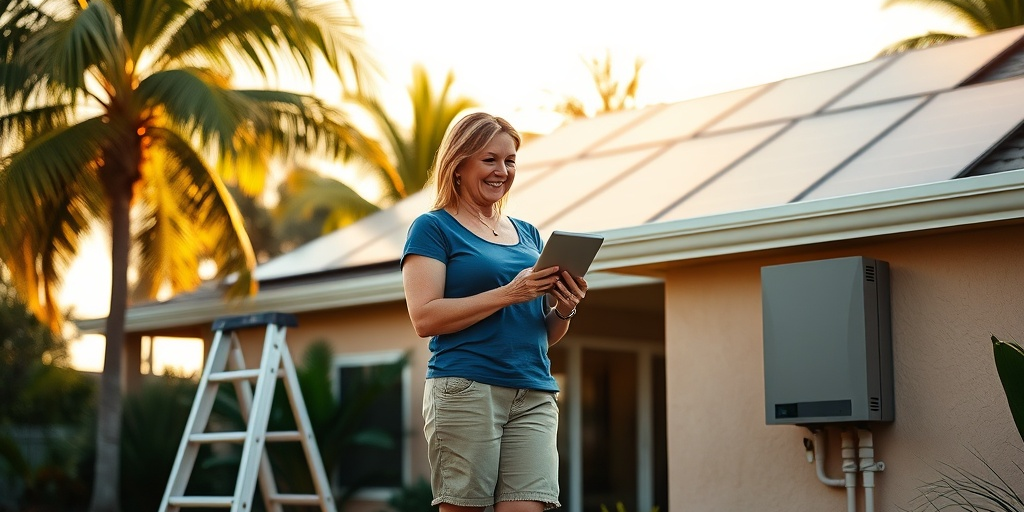
Imagine waking up during a bright Florida morning, knowing that as the sun rises, so does your savings. The rays pouring down on your rooftop are not just illuminating your home; they’re powering it, too. With solar panels, many homeowners are experiencing record savings, reduced energy bills, and an increased property value. However, entering the solar energy world can sometimes feel like navigating through a jungle of misconceptions. One of the most widespread topics that homeowners worry about is maintenance. This brings us to the focus of today’s discussion: Five Misconceptions About Solar Panel Maintenance Debunked.
As of 2023, the solar industry has doubled its capacity in the last five years, demonstrating the potential for rapid growth and adaptation within Florida’s residential energy market. According to the Solar Energy Industries Association, Florida ranks third in the nation for installed solar capacity (SEIA.org). This trend is expected to continue into 2025, as more state and federal incentives arise from programs aiming to reduce greenhouse gas emissions and encourage clean energy usage.
Understanding the intricacies of solar panel maintenance is crucial for Florida homeowners aiming to invest in this green technology. By debunking prevalent myths surrounding solar maintenance, we can empower you to make informed decisions that protect your investment. Did you know that many homeowners believe that solar panels require constant cleaning or expert attention? This misconception could lead to unwarranted fear or anxiety about owning a solar system. As we dissect these myths, we highlight why this topic urgently matters in this evolving landscape of energy consumption.
In this article, we will cover:
- Real-life anecdotes illustrating common maintenance concerns.
- A checklist of actionable steps to keep your solar panels running smoothly.
- A myth-busting approach to dispel five major misconceptions.
- Florida-specific insights addressing local regulations and statistics.
- A technical deep dive analyzing solar system components and their maintenance requirements.
By the end of this piece, you will have the knowledge to navigate solar panel maintenance with confidence, ensuring your transition to solar energy is as smooth as possible. Let’s dive in!
Case Study: Maria’s Sunshine Journey with Solar Panels
Meet Maria, a Florida homeowner residing in Orlando. When she first considered solar panels, her mind brimmed with questions and concerns, particularly surrounding maintenance. Eventually, a neighbor’s success story motivated her to explore this renewable energy option. Maria learned that their solar system had significantly diminished their annual energy expenses—she wanted that, too. However, she was still hesitant due to rampant misconceptions about maintenance needs.
Maria’s journey began when she connected with Florida Electric & Solar, an established company with a great reputation for helping homeowners embrace solar technology. They guided her through the entire process, addressing her fears regarding upkeep with reassuring statistics: it was reported that solar panels have low ongoing maintenance needs, requiring only routine inspections (SolarReviews.com).
Her experience took a positive turn when her system was installed. After a lengthy conversation with her solar installer, Maria learned that most solar panels come equipped with self-cleaning coatings and are designed to withstand severe weather—two factors she believed were potential worries. Here’s a checklist of actionable steps Maria was given to maintain her solar system and optimize performance:
- Step 1: Schedule an annual inspection to ensure everything is working optimally.
- Step 2: Observe the panels for any debris or shading, especially following a storm.
- Step 3: Regularly check the monitoring app for energy production and system performance.
- Step 4: Consult with professionals for any anomalies.
- Step 5: Clean the panels occasionally if there’s significant dirt build-up or debris.
Maria’s understanding of maintenance shifted dramatically as she discovered it didn’t require constant effort or expense. These insights not only armed her with knowledge but also transformed her perspective. She realized that maintaining solar panels is quite simple and straightforward, leading to a worry-free homeowner experience.
Florida homeowners like Maria must grasp the reality of solar panel maintenance. The average lifespan of solar panels ranges from 25 to 30 years, with warranties that often cover maintenance and servicing. Ultimately, Maria learned an essential truth: solar panel maintenance is straightforward and manageable, allowing her investment in renewable energy to shine.
This compelling account shows how overcoming misinformation about solar maintenance can dramatically change a homeowner’s experience. To ensure you receive outstanding service and support like Maria, consider reaching out to reputable solar companies. Now, let’s address common myths surrounding solar panel maintenance in the upcoming section.
5 Widespread Myths About Solar Panel Maintenance
Despite the growing popularity of solar power in Florida, several misconceptions about solar panel maintenance persist, often causing apprehension among potential users. Here, we will debunk five of the most common myths that keep Florida homeowners from exploring this sustainable energy option.
Myth #1: Solar Panels Need Constant Cleaning
Many believe that solar panels must be cleaned frequently for optimal performance. In fact, most solar panels are self-cleaning to some degree due to rainfall. In dry areas, some homeowners may need to clean their panels once or twice a year, mainly to remove any debris that accumulates over time. Inmost cases, the rain effectively washes away dirt and grime, making regular cleaning unnecessary.
Myth #2: Solar Maintenance is Expensive
Another widespread myth is that maintenance costs can outweigh the savings from solar energy. In reality, routine maintenance is minimal, and warranties typically cover many potential repairs. The overall costs are significantly lower when compared to the savings generated by lower utility bills. According to the National Renewable Energy Laboratory, for well-maintained solar panels, the overall operational costs fall below 1% per year of the total system cost (NREL.gov).
Myth #3: Panels Will Break Down Constantly
Many homeowners fear that solar panels are frail and prone to breakdown. However, solar technology has progressed significantly, leading to robust, durable panels that withstand severe weather conditions, such as heavy rain, hail, and extreme heat. Most panels are tested under simulated extreme conditions ensuring they can endure Florida’s unique weather challenges.
Myth #4: You Need to Hire an Expert for Every Small Repair
Another misconception is that every small aspect of maintenance needs a professional’s input. While contacting a professional for any significant issues is prudent, minor inspections and checks can often be conducted by homeowners themselves. Basic troubleshooting—like checking connections and monitoring energy output—can usually be handled at home without expert interference.
Myth #5: You Can’t Monitor System Health
Many homeowners believe they cannot track their system’s health once installed. However, most solar panels come with monitoring systems that allow homeowners to observe their solar energy production in real-time directly from their smartphones. You can see the efficiency of your panels, monitor their performance, and receive alerts in case of any irregularities.
By debunking these myths, prospective solar users can approach solar panel maintenance with confidence. For more insights on how to maximize your solar system’s performance, consider visits to reputable resources such as floridaelectricandsolar.com. Now that we’ve dispelled these common myths, let’s explore best practices for ensuring your solar panels run smoothly.
5 Expert Solar Maintenance Tips for 2025
Investing in solar power means streamlining steps to maintain your system and maximizing output. Here are five expert tips that new solar users should follow for optimal maintenance, ensuring that hardware continues to serve effectively for decades:
- Don’t Skimp on Panel Placement: Ensure proper orientation and tilt for maximum sunlight exposure. Your solar installer should carefully assess shading and placement, optimizing electricity production.
- Take Advantage of Monitoring Tools: Use smartphone apps and online dashboards to monitor energy production and system health. Identify potential issues early and consult your solar provider if you notice unusual energy losses.
- Schedule Annual Inspections: Proactively seek professional inspections at least once a year to detect and address any emerging issues. Regular checks can prevent small problems from escalating into costly repairs.
- Inspect Your Inverter: The inverter is the heart of your solar system. Regularly inspect it to ensure it shows a green light indicating proper function. If problems arise, consult your solar contractor for solutions.
- Stay Informed on Warranty Guidelines: Familiarize yourself with warranty coverage and ensure you maintain compliance with any manufacturer regulations to secure protection against unforeseen issues.
By following these expert tips, you can enjoy a worry-free experience as a solar energy user. Remember that the right approach to maintenance can extend the lifespan of your system while ensuring reliable performance. To explore more about maintaining your investment effectively, check with your local solar provider. The next section will unravel the local insights into the solar market and maintenance practices specific to Florida homeowners.
Local Insights: Navigating Florida’s Solar Market
Navigating Florida’s solar market in 2025 means understanding state-specific factors that impact performance, maintenance, and installation. From regulations to local incentives, Florida differs significantly from other states in the U.S. Here is an overview of the most essential points for homeowners:
- Incentives and Rebates: Florida offers several incentive programs to encourage solar adoption, including the Property Assessed Clean Energy (PACE) financing that helps homeowners afford installation and maintenance costs.
- Net Metering: Under Florida’s net metering policies, homeowners can receive credits for excess energy produced. This translates into lower electric bills, making maintenance efforts worthwhile.
- Local Weather Conditions: In Florida, specific weather patterns such as hurricanes can impact solar panel durability. Familiarize yourself with your panels’ resistance ratings and choose equipment designed to withstand these challenges.
- Maintenance Options: Florida homeowners can find a variety of local companies offering solar maintenance services. Select companies with experience in system operations in your area, ensuring quality service when you need it the most.
By understanding how these local factors play into the solar landscape, homeowners can make informed decisions that optimize their investments. They gain insights into what it takes to maintain a solar system effectively while taking advantage of available benefits. To learn more about the specifics of Florida’s solar options, visit floridaelectricandsolar.com. We will close this section with a technical deep dive into the components of a solar system and their maintenance needs.
Technical Deep Dive: Solar Systems Maintenance Essentials
Understanding the technicalities behind solar system components is critical for effective maintenance. Let’s break down the essential parts of a solar system, such as the panels, inverters, batteries, and monitoring equipment:
- Solar Panels: The most critical component, typically requiring minimal maintenance with annual inspections and periodic cleaning as needed. Regular checks ensure they remain efficient and free from obstructions.
- Inverters: Vital for converting DC power generated by solar panels into usable AC power. Inverters require more attention, as their lifespan is generally shorter than that of the panels. Homeowners should monitor the inverter display for any issues and consult professionals in case of malfunction.
- Batteries: For systems incorporating energy storage, batteries will require care and monitoring. Regular checks for aging, temperature, and charge cycles are essential in preserving battery health and enhancing performance.
- Monitoring Equipment: Often integrated into the system, monitoring tools help track energy production and consumption. Understanding data trends allows homeowners to identify inefficiencies early on and act accordingly.
In conjunction with preventive maintenance measures, focusing on these technical aspects can dramatically contribute to a reliable solar investment. Solar panel technology continues to evolve, with innovations paving the way for longer-lasting, more efficient components on the market. By keeping an eye on technological advancements, Florida homeowners can remain ahead in managing their solar systems effectively while maximizing savings.
Now that we’ve delved into the technical details behind solar systems, let’s wrap up our discussion with a solid action plan for Florida solar buyers looking to transition into solar in 2025.
Next Steps for Florida Solar Buyers in 2025
For those ready to embrace the benefits of solar energy, creating an actionable plan is key to success. Below is a step-by-step guide to help you navigate the process:
- Step 1: Audit Your Electric Bill: Analyze your electric bill to understand your energy consumption patterns. This assessment will help you choose the right solar system size for your needs.
- Step 2: Research Solar Installers: Look for reputable solar companies in your area; read reviews, and compare quotes. Focus on those who offer excellent service and warranties.
- Step 3: Schedule Consultations: Once you’ve narrowed down your options, schedule consultations with chosen solar providers to clarify options and obtain quotes tailored to your unique situation.
- Step 4: Explore Financing Options: Understand the available financial incentives, loans, or rebates. Look into government programs and consult with financial advisors to maximize your savings.
- Step 5: Prepare for Installation: Once you’ve made a choice, prepare for installation by ensuring clear access to your roof and understanding what to expect on installation day.
By following these steps, you will equip yourself with the tools to make an informed decision, ultimately leading to greater savings and energy independence. Transitioning to solar energy can pave the way for a sustainable and financially rewarding future for Florida residents.
In conclusion, we’ve explored five misconceptions about solar panel maintenance, demystified the process, and outlined actionable steps for Florida homeowners. Embracing solar energy means more than just enjoying energy savings; it aligns with a commitment to sustainability and environmental stewardship. This transition is particularly important as we stride into 2025, a year rife with new incentives and opportunities in the solar market. The choice to invest in solar power can significantly impact your household’s future, finances, and the environment.
Ready to start your solar journey in 2025? Connect with a certified expert at floridaelectricandsolar.com today.
Related Articles
More insights about Solar Panel

Florida Homeowners: Why Solar Panel Maintenance Is Essential

7 Essential Steps for Solar Panel Installation Success

Expert Insights: Key Factors Influencing Solar Panel Lifespan
Ready to Go Solar?
Have questions about solar energy? Our experts are here to help you make the switch to clean, renewable energy.