
Five Myths About Solar Panel Lifespan You Should Dismiss
Share:
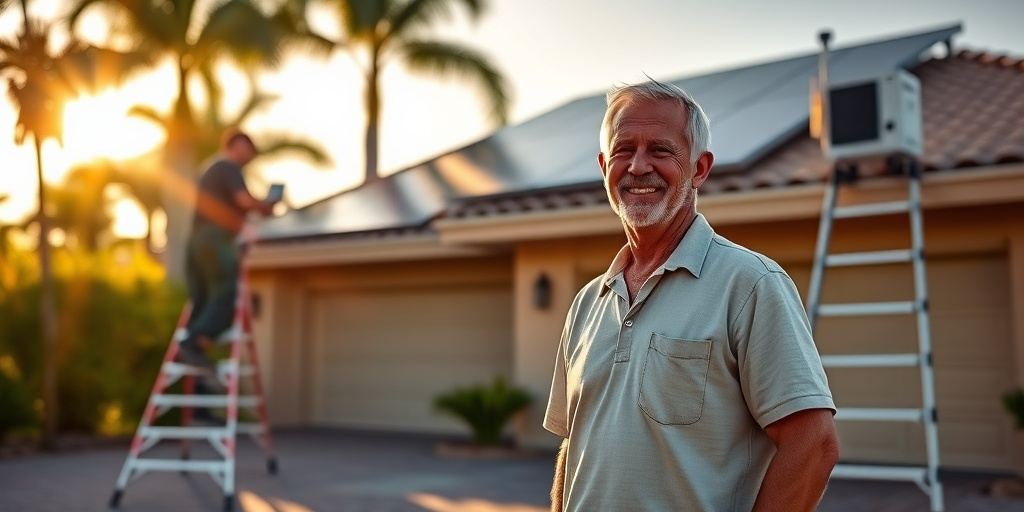
For homeowners and businesses alike, the choice to invest in solar power is monumental—both financially and environmentally. Yet, misconceptions about solar technology often cloud this crucial decision. One particularly intriguing misunderstanding revolves around the lifespan of solar panels. Many believe they have a short lifespan and will require frequent replacement, but is this really true? You deserve to separate fact from fiction. In our article titled “Five Myths About Solar Panel Lifespan You Should Dismiss”, we aim to clarify these misconceptions and empower you with essential knowledge. Did you know that a study by the National Renewable Energy Laboratory indicates that solar panels typically last between 25 to 30 years? Of course, proper maintenance can extend that lifespan, ensuring that your investment serves you well for decades (NREL.gov). Moreover, with energy prices on the rise—Florida alone saw a 10% increase in utility rates in the past year—now is the perfect time to consider how effective solar energy can be for your financial future (SEIA.org). In 2025, solar technology is not just a choice; it’s a necessity. This article will unravel the common myths surrounding solar panel lifespan, guiding you through each section to reveal the truth behind your solar investment.
In the following sections, you will discover:
- Real stories and case studies highlighting the durability of solar panels.
- A practical checklist for assessing your solar panel needs.
- Myth-busting revelations regarding solar panel longevity.
- A focus on Florida’s unique solar landscape and what that means for you.
- A technical deep dive into the technology that enhances solar panel lifespan.
Understanding Solar Panel Durability: What You Need to Know
When it comes to solar panel lifespan, many homeowners hold misconceptions that can lead to discouraging decisions. Meet Maria, a Florida homeowner who, in 2020, decided to go solar after experiencing a hefty electric bill post-hurricane season. Maria had heard rumors that solar panels had a short longevity—three to five years at best. These myths caused her to hesitate, but after speaking with a local expert, she discovered the truth: solar panels are built to last. Most manufacturers offer warranties of up to 25 years, and many panels continue to function well beyond that. This is a common experience; advanced materials and technology are now being utilized to enhance the longevity and efficiency of solar systems (NREL.gov).
Consider these facts about modern solar technology:
- The average lifespan of conventional panels is between 25 and 30 years.
- Solar panel efficiency can degrade as slowly as 0.5% to 1% per year (SolarReviews.com).
- Producers like SunPower and LG offer panels with exceptional longevity, backed by strong warranties.
Next, let’s focus on actions you can take as a homeowner to assess these claims. Here is a checklist to keep in mind regarding your solar investment:
- Step 1: Review Manufacturer Warranty Details: Understand the warranty provided by the manufacturer as it can indicate the quality and expected lifespan of the panels.
- Step 2: Check Customer Reviews: Research real-life customer experiences regarding panel performance and durability.
- Step 3: Consult with Local Experts: Engage a qualified solar technician for an on-site assessment to understand your specific environment’s impact on panel lifespan.
These actionable steps will not only help ensure you choose reliable solar equipment but also guide you in developing reasonable expectations regarding performance and durability. Understanding these facets easily dismisses myths about lifespan just by focusing on accurate information.
Myth #1: Solar Panels Only Last a Few Years
This myth is one of the most prevalent among prospective solar buyers. Many people mistakenly believe that solar panels have limited durability and will need replacing shortly after installation. In reality, most modern solar panels last upwards of 25 years, with many functioning well beyond their warranty (SEIA.org). With proper installation and maintenance, homeowners like Maria share experiences of panels enduring decades while delivering efficient energy output.
Myth #2: Solar Panels Lose Efficiency Too Quickly
Another common misconception is that solar panels lose their efficiency quickly, rendering them useless long before their time. This is not true; the average degradation rate is about 0.5% to 1% per year. This means you can expect your solar panels to produce about 80% of their original capacity even after 25 years (SolarReviews.com). Well-constructed systems can often exceed this, ensuring that you maximize your solar savings for years to come.
Myth #3: All Solar Panels Are Created Equal
It’s easy to fall into the belief that all solar panels perform similarly, but the truth lies in the diverse range of offerings available in the market. Premium brands such as SunPower and LG offer superior technology, backed by comprehensive warranties spanning 25 years or more. This often translates to higher performance and durability in real-world conditions compared to lower-rated alternatives.
Myth #4: Severe Weather Will Destroy Your Panels
In a state like Florida, where storms and hurricanes are common, potential buyers may worry about their solar panels’ ability to withstand harsh conditions. Modern solar panels are engineered for durability, featuring materials that can endure high winds and adverse weather. In fact, panels are rigorously tested according to industry standards (NREL.gov). Purchasing high-quality panels can alleviate these concerns and ensure they survive unpredictable weather.
Myth #5: You Can’t Inspect or Maintain Solar Panels
With most electrical systems, maintenance is essential, and solar arrays are no exception. Regular inspections can prolong the life of your installation while allowing you to address minor issues before they evolve into larger concerns. Simple cleaning of the panels and checking electrical connections can yield significant benefits. In fact, homeowners who stay proactive often enjoy optimal energy yields and longevity.
The Future of Solar in Florida: Context and Local Implications
As we’ve discussed, solar panel durability is paramount for Florida homeowners. Recent policies and incentives continue to evolve, favoring those transitioning to solar energy. For instance, Florida now ranks among the top states for solar power generation due to both environmental awareness and financial incentives. The state’s commitment to expanding its solar infrastructure can further enhance stability in the energy market, thus making solar power an even more attractive choice for homeowners.
Here’s what you need to consider for your solar decisions moving forward:
- The solar market in Florida is on the rise, with increased installation rates (NREL.gov).
- Residents can benefit significantly from local and federal tax credits, which may offset initial installation costs.
- Many utility companies offer net metering, allowing homeowners to receive credits for surplus energy sent back to the grid.
For the best local insights and latest regulations, check out floridaelectricandsolar.com, where you can find guidance tailored to your region.
Next Steps for Florida Solar Buyers in 2025
Are you ready to embrace solar? Your approach should be methodical to ensure you reap all the rewards of this technology. Here is a straightforward action plan to follow:
- Step 1: Audit Your Electric Bill: Analyze usage patterns to understand how much energy you consume, allowing for an informed solar system size.
- Step 2: Research Installation Costs: Get multiple quotes from certified solar companies to find out what you can expect financially.
- Step 3: Evaluate Incentives: Look into state and federal tax incentives that may assist in offsetting installation expenses.
- Step 4: Pick the Right Installer: Select a qualified local solar installer who understands Florida’s unique weather impacts and regulations.
- Step 5: Review Maintenance Options: Discuss potential maintenance packages and service schedules to keep your system running efficiently.
By taking these steps, you’re not just protecting your investment, but also positioning yourself as a forward-thinking homeowner ready to own your power.
Conclusion
Understanding the truth behind myths regarding solar panel lifespan is key to making a confident investment. As demonstrated in this article, the misconceptions surrounding solar technology often deter prospective buyers. However, with the right knowledge, these beliefs can easily be dismissed. Real-life examples and informed statistics showcase that solar panels can last a long time, survive harsh Florida weather, and have minimal efficiency dropoffs over the years. As we approach 2025, the urgency to switch to solar power amplifies amid rising utility costs and available incentives. By taking informed steps, you can secure your family’s future while also contributing to a sustainable environment.
Ready to start your solar journey in 2025? Connect with a certified expert at floridaelectricandsolar.com today.
Related Articles
More insights about Solar Panel

Florida Homeowners: Why Solar Panel Maintenance Is Essential

7 Essential Steps for Solar Panel Installation Success

Expert Insights: Key Factors Influencing Solar Panel Lifespan
Ready to Go Solar?
Have questions about solar energy? Our experts are here to help you make the switch to clean, renewable energy.