
Five Myths About Solar Scams You Shouldn’t Believe
Share:
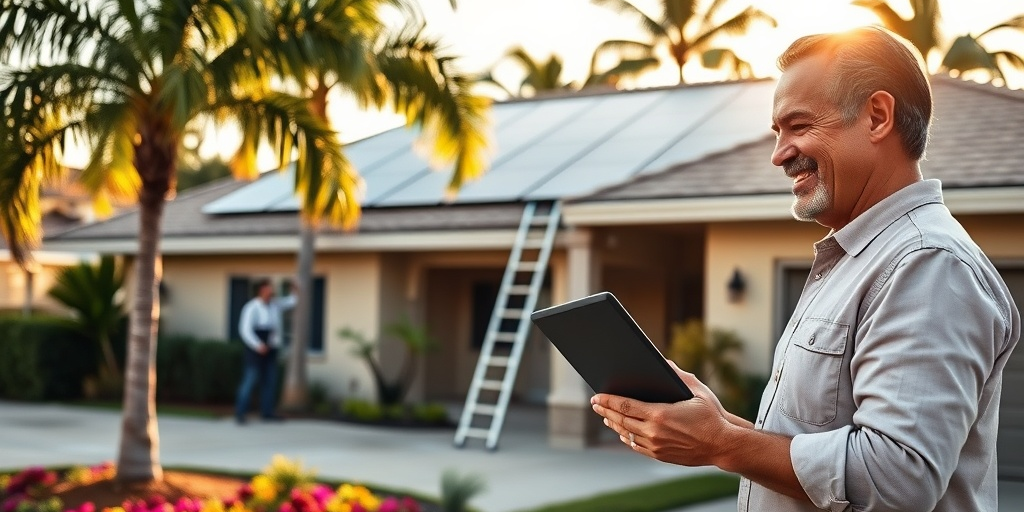
In the sunny state of Florida, the prospect of solar energy is more than just an environmentally friendly option; it’s a pathway to significant savings and energy independence. Amidst this exciting landscape, one staggering statistic stands out: according to the Solar Energy Industries Association, solar energy capacity in the United States has increased by over 200% in the last five years alone, bringing the power of the sun within reach of millions more Americans (SEIA.org). Yet, with this growth comes misconceptions that can cloud consumers’ understanding and create barriers to decision-making. Curious about the truth behind these misunderstandings? In this blog, titled Five Myths About Solar Scams You Shouldn’t Believe, we’ll debunk the myths that threaten to mislead Florida homeowners and commercial property owners as they consider tapping into solar energy in 2025. While it may shock you, a survey conducted by SolarReviews revealed that nearly 46% of interested homeowners delay adoption due to fears about scams and misinformation (SolarReviews.com). This topic is urgent as we face rising energy costs and an increasing need for sustainable energy solutions. Join us as we explore five critical sections: a case study on a Florida homeowner, actionable checklists, myth-busting segments, local perspectives, and a deep dive into the technical landscape. Let’s clarify these misconceptions and empower your solar journey!
Unmasking the Phantoms: A Deep Dive into Solar Myths
Let’s dive deeper into an illuminating story, that of the Morris family from Orlando, Florida, who decided to explore solar energy after years of rising electric bills. Founding members of their community, the Morrises were motivated not only by the prospect of cutting costs but also by the desire to reduce their carbon footprint. Despite their genuine intention, they encountered the same myths many homeowners face — that solar is incredibly expensive and fraught with scams.
Case Study: After conducting initial research and attending a local seminar on solar energy, the Morrises felt equipped to make an informed decision. The first hurdle was overcoming the myth that solar panels are a financial scam waiting to take advantage of consumers. As they sifted through numerous online reviews and tracked local installation companies, they learned that reputable installers frequently receive high satisfaction ratings.
Take, for example, the price of solar panels dropping almost 80% in the last decade due to technological advancements and increased availability (SEIA.org). Rather than an unattainable expense, the Morrises discovered that solar panels could serve as an investment that pays dividends in decreased bills over time. After installation, they enjoyed not only reduced costs but a richer experience of energy independence.
Checklist for the Solar Exploration Journey:
- Step 1: Research Local Installers – Seek out and compare local companies specializing in solar installation.
- Step 2: Consider Financing Options – Understand different financing approaches such as leasing vs. buying.
- Step 3: Read Reviews – Peruse customer reviews and seek recommendations from friends.
- Step 4: Explore Incentives – Look into state and federal tax incentives available to solar adopters.
- Step 5: Ask for Transparency – Request clear breakdowns of costs and savings.
Myth-Buster: The first widespread myth to debunk is that solar installation is a scam perpetuated by profit-driven companies. A 2023 report from the National Renewable Energy Laboratory indicates that reputable companies are more likely to follow standards set by the Solar Rating and Certification Corporation to ensure quality service and consumer protection (NREL.gov). Given the legitimate financial benefits, including savings of up to 30% on monthly electricity bills, it’s important to view solar as a valid and legitimate investment.
As the Morrises began their solar journey, they grasped that, in Florida, nearly 77% of homeowners who went solar reported high satisfaction levels, thanks to the state’s implementation of robust consumer protection laws (SolarReviews.com). This local focus dispels the idea of solar being riddled with scams, advocating instead for a solution that gives homeowners control over their energy usage and long-term costs.
What’s equally important is understanding solar technology. The solar panels, inverters, and other components comprise an intricate ecosystem working toward the same goal: harnessing the sun’s energy. Quality solar arrays, such as the ones installed in their home, provide guaranteed warranties and potential energy savings ranging from $20,000 to $30,000 over their lifespan.
As we transition to the next important section, the Morrises remind us that doing thorough research, asking the right questions, and relying on qualified professionals can help unlock the benefits of solar energy while mitigating doubts.
Understanding the Landscape: Five Common Solar Misconceptions
It feels daunting for many homeowners to navigate the landscape of solar energy, especially when myths proliferate. Myth #1: Solar panels are only for the wealthy. This is a false perception that has persisted. While upfront costs may appear steep, financing options and state incentives have made solar accessible to a broader demographic, particularly Florida homeowners. Major tax credits can significantly diminish upfront expenses, making solar viable for many income brackets.
Myth #2: You cannot install solar panels if you live in a cloudy area. Do you know that though Florida enjoys abundant sunshine, the reality is that solar panels can still generate power on cloudy days? Approximately 80% of their efficiency remains, allowing for sustainable energy capture throughout the year.
Myth #3: The installation process takes weeks. Contrary to popular belief, a standard residential installation can often be facilitated in a single day, with minimal inconvenience for homeowners. This has changed as system designs improve and installers enhance their efficiency.
Myth #4: Solar energy systems require constant maintenance. The truth is that solar panel systems are durable and require little upkeep. Annual inspections are generally sufficient to ensure optimal performance, and many installers offer services to aid this process.
Myth #5: Solar panels decrease property values. Numerous studies indicate that homes equipped with solar panels frequently sell for higher prices than their non-solar counterparts. A study by the Lawrence Berkeley National Laboratory noted that solar energy systems add an average of $15,000 to home values (Energy.gov).
The information highlighted here emphasizes the importance of having clear communication about solar’s actual benefits. It’s crucial for consumers to rely on evidence-backed data and testimonies from other successful owners rather than misconceptions stemming from myths. This section aims to serve as a clarion call for change in perspective, inviting more Floridians to consider solar energy seriously.
5 Expert Solar Installation Tips for 2025
The journey to solar energy is as much about proper planning as it is about the technology itself. As the Morrises discovered, having a well-crafted strategy can determine the success—or failure—of a solar project. Below are several essential tips to consider:
- Do Not Skimp on Panel Placement: The orientation and tilt of solar panels significantly affect their efficiency. Panels should ideally face south to capture maximum sunlight. Engage experts to ensure professional alignment for optimal performance.
- Inquire About Incentives: The existing state and federal incentives can make adopting solar energy far more affordable. Investigating timely rebates or credits can save significant amounts on your installation.
- Understand Your Energy Consumption: Before installation, assess your typical energy usage. A knowledgeable installer can tailor a solar system that matches your specific needs, optimizing energy production versus consumption.
- Choose Quality Components: Research panels, inverters, and batteries to ensure long-term performance. Products with higher quality ratings and warranties can yield better returns on investment.
- Stay Engaged with Your Installer: Open communication with your installation team can prevent misunderstandings and ensure the best possible experience. Ask questions, express concerns, and commit to transparency throughout the process.
By following these expert tips, you can maximize your solar energy savings while avoiding common pitfalls. While empowering homeowners with knowledge can help ensure they buy the right products and make informed decisions, it is equally important to understand the wider benefits and implications of solar adoption.
A Journey Through the Solar Experience
Imagine the journey of Sarah Thompson, a single mother living in Tampa, who faced escalating utility bills every summer. With three kids at home full-time, her air conditioning usage was at an all-time high, creating a financial strain. Determined to seek a solution, Sarah researched solar energy extensively and decided to invest in a system to alleviate her worries.
When she explored solar options, Sarah discovered promising trends indicating that solar adoption had doubled in Florida over the last five years (SEIA.org). Her excitement was palpable as she moved through this process, hearing testimonials specifically from those within her neighborhood.
Sarah’s dedication to understanding solar led her to uncover four significant benefits:
- Long-Term Savings: After installing solar panels, Sarah realized savings of 40% on her monthly electric bills.
- Energy Independence: Becoming less reliant on the grid brought Sarah peace of mind and resilience against fluctuating energy prices.
- Environmental Impact: Sarah proudly taught her children about the importance of sustainability, knowing their household significantly reduced carbon emissions.
- Increased Property Value: When initial appraisals were done, she was pleasantly surprised to find her home value had increased due to having solar panels installed.
Sarah’s experience illustrates how embracing solar not only meets economic needs but also serves broader social and educational purposes. Moreover, studies indicate that homes with solar systems often sell for more than comparable homes (Lawrence Berkeley National Laboratory). This journey shows how vital it is for homeowners to be proactive by thoroughly researching, asking questions, and seeking transparent answers from solar professionals.
Next Steps for Florida Solar Buyers in 2025
As we conclude this enlightening exploration, it’s essential to take action following your newfound knowledge. Below is a succinct checklist to guide you through the next steps toward securing your solar future in Florida:
- Step 1: Audit Your Electric Bill: Understand your energy usage by recording past bills for accurate assessments and planning.
- Step 2: Research Local Installers: Find credible companies known for excellent service and customer satisfaction in your area.
- Step 3: Request Quotes: Seek multiple quotes and compare costs without hesitation; this creates a competitive environment that benefits you.
- Step 4: Review Financing Options: Decide between purchase, lease, or solar loan options that align with your budget and goals.
- Step 5: Consult Experts: Before committing, really take the time to consult with experienced solar professionals and engage in meaningful discussions.
Solar energy is no longer just a vision of the future; it’s an attainable goal for each of us as energy prices rise and sustainability take center stage. As the Morrises, Sarah, and countless others have proven, you can own your power and embrace a brighter way of living. For those eager to harness the sun’s potential in Florida, begin your journey today!
In wrapping up this discussion, it is essential to recall the facts we explored in overcoming myths about solar scams. Investing in solar energy is not merely about cutting down costs but also aligning with a vision for sustainable living, enhancing property value, and nurturing future generations. The urgency of making informed decisions looms larger as we approach 2025, with trends hinting at even more favorable solar policies ahead.
Ready to start your solar journey in 2025? Connect with a certified expert at floridaelectricandsolar.com today.
Related Articles
More insights about Solar Scams

Warning: Don’t Overlook These Solar Scams to Avoid

Don’t Miss This Critical Alert About Solar Scams

Don’t Ignore These Critical Solar Scams to Avoid
Ready to Go Solar?
Have questions about solar energy? Our experts are here to help you make the switch to clean, renewable energy.