
Five Solar Scams You Didn’t Know Could Cost You
Share:
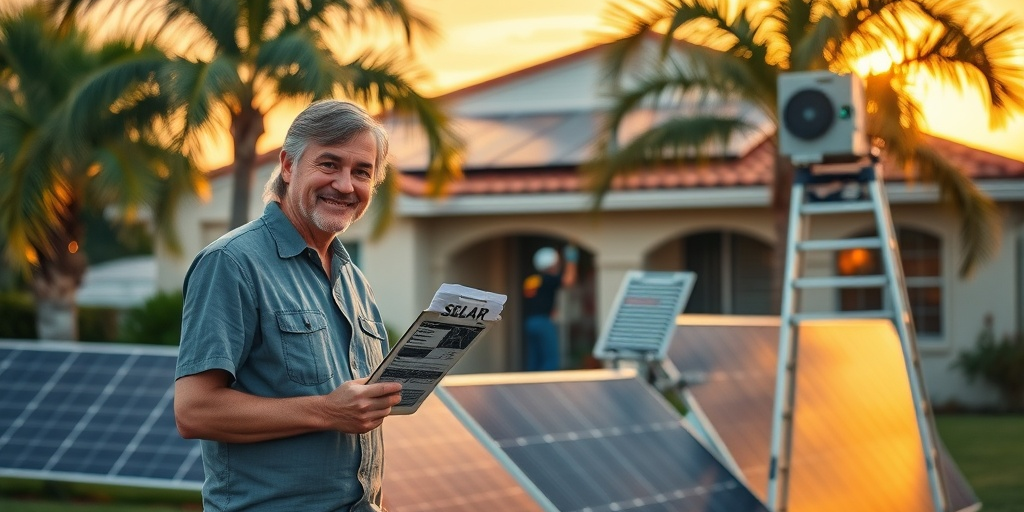
In an era where energy independence is fast becoming a necessity amid soaring utility costs, Florida homeowners are increasingly turning to solar power. Yet, as the solar market surges—projected to exceed 20% growth in 2025 (SEIA.org)—so do the scams that target unsuspecting consumers. That’s why it’s crucial to stay informed about potential pitfalls that could cost you dearly on your solar journey. Welcome to our enlightening post, “Five Solar Scams You Didn’t Know Could Cost You.” Here we’ll peel back the layers on these deceptive schemes, helping you distinguish between real savings and false promises.
Consider this: the average Floridian spends about $1,400 annually on electricity, and with energy prices expected to rise by 5% annually (Energy.gov), investing in solar could save you thousands over a lifetime. However, without proper guidance, you may find yourself misled by fraudulent offers that jeopardize your financial gain. Understanding these scams is urgent—especially in the transformative solar landscape of 2025. In this blog, we will cover five major scams that could affect your solar experience, provide actionable insights to safeguard your investment, and arm you with the knowledge to make informed decisions moving forward.
Let’s dive into each of these vital sections, beginning with a case study of a common solar scam that many Florida homeowners fall victim to.
1. The Faux Company: A Cautionary Tale of Misrepresentation
Meet Sarah, a determined homeowner living in Orlando, Florida. Eager to go solar and take charge of her monthly energy costs, she stumbled upon a flashy advertisement promising guaranteed savings of 50% or more on her electric bills. Intrigued, she reached out to the representing company, which assured her that these savings were only attainable if she signed quickly. They even provided counterfeit references and misleading testimonials to validate their claims.
Before Sarah realized it, she had signed a contract for premium-priced panels from a vendor with questionable credentials, leaving her with high monthly payments and zero savings. How did this happen? It turns out, many companies leverage urgency tactics and falsified statistics to lure unsuspecting homeowners into making impulsive decisions. This case exemplifies the first of many solar scams that can easily mislead an eager consumer.
Checklist of Warning Signs:
- Too Good to Be True Offers: If it sounds unrealistic, it likely is. Legitimate companies don’t guarantee savings that seem exaggerated as they depend on multiple factors.
- Lack of Transparency: Be cautious of companies that refuse to provide clear documentation or references upon request.
- Pressure Tactics: If you feel rushed to sign, that’s a red flag. Take your time to assess your options and consult with experts.
Learning how to navigate authenticity is vital. According to recent statistics, almost 20% of Floridians have reported issues with so-called “solar companies,” raising questions about how to verify providers (SolarReviews.com).
Next, let’s dispel common myths surrounding solar energy to ensure that you can make a wise decision!
2. Myths That Fuel Solar Scams
Understanding the truth behind prevalent myths can save you from significant financial pitfalls in your solar journey. Let’s clarify some of the greatest misconceptions!
Myth #1: SolarPanels Aren’t Worth It Unless You Live in a Sunny State.
While Florida’s sunny reputation does support solar efficiency, modern solar technologies are designed to perform even under cloudy conditions. Homeowners across various climates experience savings.
Myth #2: Installation is Too Costly and Complicated to Justify.
Many are surprised to learn about the various federal, state, and local incentives available to Florida residents—bringing initial costs much lower (DSIREUSA.org).
Myth #3: Solar Energy Isn’t Reliable.
Solar technology has advanced tremendously, ensuring that you will have access to energy even when the sun isn’t shining, particularly when coupled with energy storage solutions.
By busting these myths, you position yourself to critically evaluate offers and choose the right service providers. Understanding the nuanced truths about solar can make all the difference.
For more tailored information, visit floridaelectricandsolar.com.
Moving forward, it’s crucial to know the best practices for securing a trustworthy solar installation.
3. 5 Expert Solar Installation Tips for 2025
So, you’re set to convert to solar power in 2025. Before you sign any contracts, here are five expert tips to ensure you’re getting the best deal without falling prey to scams.
Tip #1: Conduct Thorough Research on Providers.
Always verify companies with reputable sources, such as the Better Business Bureau or reviews from previous customers. Check for licenses and certifications.
Tip #2: Review Savings Calculators.
Your expected savings should be evaluated using broad data points; utilize free calculators available through various reputable sites to gauge your potential.
Tip #3: Understand Your Loan Options.
Many homeowners opt for financing, but knowing the terms in-depth can prevent predatory lending practices. Always read the fine print!
Tip #4: Communicate Openly.
Engage in clear dialogues with your solar provider about warranties, maintenance, and performance metrics. The more you know, the better your decisions will be.
Tip #5: Don’t Skimp on Panel Quality.
It might be tempting to select cheaper panels; however, investing in high-quality panels may yield long-term savings and durability.
As you gear up for your solar transition, consider reviewing options here and reach out if you need assistance: floridaelectricandsolar.com.
Equipped with these best practices and knowledge, let’s take a closer look at another example of how misinformation can cost you.
4. The Unseen Costs of Scams in Solar Investments
When Linda decided to invest in solar panels for her Jacksonville home, she did so to save on energy costs. However, what she didn’t realize was that upfront expenses could lead to a hidden cost Nightmare! Many scams, as seen with Linda, are lurking beneath glossy advertisements promising quick returns.
This unfruitful venture taught Linda a valuable lesson: The cheapest option isn’t always the best. Here’s how you can avoid the same mistakes:
- Perform a System Audit: Before investing, request a full audit of your current energy usage and potential savings with reliable calculators.
- Be Aware of Maintenance Costs: Cheap systems often lead to high repair costs. Understanding maintenance requirements up-front will help you avoid future headaches.
- Investigate Solar Leases and PPA Agreements: These can lead to complications with ownership rights, making it difficult when selling your home.
- Evaluate Energy Independence: A truly well-thought-out solar solution empowers you, minimizing dependence on traditional energy sources.
Let’s take this lesson back to a broader perspective. The NREL (National Renewable Energy Laboratory) estimates that Americans could save upwards of $40 billion annually by shifting to solar energy in more effective manners!
Let’s consolidate this information and transition to actionable next steps as we plan for a fruitful solar investment.
5. Next Steps for Florida Solar Buyers in 2025
Ready to make the jump to solar energy? Having unmasked scams, debunked myths, and shared vital tips, it’s time to outline the concrete actions you should take as you generate your solar strategy.
Step 1: Audit Your Electric Bill.
Start by understanding your current energy habits, total monthly usage, and comparing those statistics to solar savings estimates.
Step 2: Research Solar Providers Thoroughly.
Compile a list of top-rated providers in Florida, ensuring they have verified ratings and former client recommendations.
Step 3: Get Multiple Quotes.
Engage with at least three providers. Compare their offerings, warranties, and financing options to ensure you’re getting the best deal.
Step 4: Understand Local and Federal Incentives.
Check available financing options, rebates, and federal tax credits that can significantly offset your costs.
Step 5: Consult with Solar Experts.
Reach out to specialists who have your best interests at heart. Consider visiting sites like floridaelectricandsolar.com for professional evaluations and recommendations.
In wrapping up our extensive exploration, it is evident that the solar landscape, while fraught with potential pitfalls, beckons with incredible opportunities for both financial and environmental advantages. By being aware and proactive, you can sidestep the scams and successfully transition to solar energy, shaping your energy independence and financial future.
Ready to start your solar journey in 2025? Connect with a certified expert at floridaelectricandsolar.com today.
Related Articles
More insights about Solar Scams

Warning: Don’t Overlook These Solar Scams to Avoid

Don’t Miss This Critical Alert About Solar Scams

Don’t Ignore These Critical Solar Scams to Avoid
Ready to Go Solar?
Have questions about solar energy? Our experts are here to help you make the switch to clean, renewable energy.