
Florida Homeowners: 5 Benefits of Solar Panel Installation
Share:
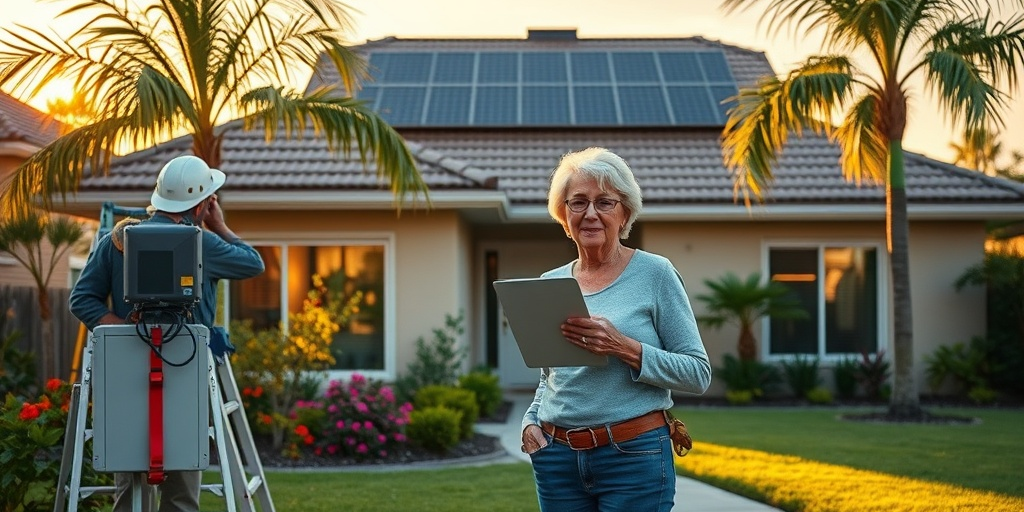
When it comes to home improvement, few decisions equal the impact of installing solar panels. In fact, homeowners across the state of Florida are harnessing the abundant sunlight to not only reduce their utility bills but also to create a sustainable future. The growth of solar energy installations in Florida has been staggering, with over 140,000 homes using solar power in 2021 alone (SEIA.org). With utility bills increasing by an annual average of 4.3% nationwide, it’s clear that transitioning to solar is not just a trend but a necessity for many homeowners. Florida Homeowners: 5 Benefits of Solar Panel Installation explores how you can save money and energy while making a positive environmental impact. In 2025, the urgency to make the switch is highlighted by mounting energy costs, evolving solar incentives, and a strong push for sustainable living within communities. This article will guide you through five compelling reasons why investing in solar is a smart move: an insightful case study, actionable steps for installation, common myths debunked, a deep dive into local benefits, and the necessary technical knowledge to understand your choices. Let’s dive in!
1. A Sunshine State Success: The True Story of Solar Savings
Meet Maria, a dedicated mother of two living in sunny Orlando, Florida. Like many Floridians, Maria felt the financial strain of rising electric bills, which had surged 20% in the last few years (Energy.gov). With monthly payments averaging around $150 for electricity, she knew something needed to change. In 2021, Maria took the leap and installed solar panels on her home. The transformation was remarkable; her electric bill dropped to nearly zero in sunny months. By 2025, she expects to see an annual savings of more than $1,800 due to her solar installation. Furthermore, Maria capitalized on incentives, reducing her initial costs by approximately 30% thanks to the federal solar tax credit.
Here’s a checklist of actionable steps based on Maria’s journey that you can follow:
- Research local solar providers: Begin by exploring different solar companies, checking reviews, and understanding their offerings in your region.
- Get an energy audit: An audit will help you differentiate how much energy your home consumes and how much you could potentially save with solar.
- Evaluate your roof: Ensure your roof has adequate space and the right orientation for solar panels. South-facing rooftops typically yield the best results.
- Understand the financing options: From solar loans to leases, find out what financial plans are available to you.
- Stay informed about state and local policies: Knowledge of current solar incentives can further enhance your savings through programs exclusive to Florida residents.
Despite common beliefs, many homeowners think solar energy is only viable for those with high disposable income, but the reality inside Florida is that anyone can invest in it. Maria’s story exemplifies how savvy consumers not only save significantly on their energy bills but also enhance the value of their homes. Solar energy is more accessible than ever for Florida homeowners.
2. Busting Myths: Uncovering the Truth About Solar Power
Myth #1: Solar Panels Are Too Expensive
Many believe that solar panel installation is prohibitively expensive, but with growing competition and advances in technology, prices have decreased significantly by over 70% since 2010 (SolarReviews.com). Furthermore, federal tax credits and local incentives make solar power even more accessible.
Myth #2: Solar Energy Isn’t Reliable
This myth stems from the notion that solar panels only work when the sun is shining. In reality, Florida homeowners can store excess energy using batteries, ensuring a constant supply, even during cloudy days or at night. With an optimal battery setup, many can achieve energy independence.
Myth #3: My Roof Isn’t Suitable for Solar Panels
No roof is perfect for solar panels, and while it’s true some roofs may not be ideal, advancements in installation technology have made it possible to adapt to varying roof types and sizes. Consult with a certified installer to evaluate your unique situation.
Florida’s receptive approach to solar energy, evidenced by a 30% growth in installations in recent years (NREL.gov), demonstrates its viability within Sunbelt states. Avoiding these myths is essential for homeowners eager to explore solar energy as a sustainable and financially sound choice.
- Research local utility policies regarding net metering, which allows homeowners to receive credit for excess electricity produced.
- Consider the environmental impact; Florida’s diverse eco-system relies heavily on sustainable practices, making solar energy a pertinent choice.
- Look for local financing programs that can offer additional incentives uniquely tailored to Florida’s market.
As you grasp the realities versus myths surrounding solar energy, it’s even clearer that floridaelectricandsolar.com can help guide you through the best options available.
3. Best Practices: 5 Expert Solar Installation Tips for 2025
If you’re ready to take the plunge into solar energy, here are five expert tips that will maximize your installation’s effectiveness:
- Don’t Skimp on Quality: Invest in high-quality panels with solid warranties. Brands like LG and Q CELLS offer top-tier products recognized for their longevity and performance.
- Evaluate Installer Credentials: Choose certified installers with a proven track record in the Florida solar market to guarantee quality workmanship.
- Optimize Panel Placement: Proper orientation and angle can significantly affect performance; ideally, panels should face south at a 30-45 degree tilt.
- Explore Battery Storage: If energy independence is a priority, consider investing in battery systems to store surplus energy produced during the day for use at night.
- Understand the Process: Familiarize yourself with local regulations, permits, and incentives that may impact your installation and savings.
Following these best practices can make a significant difference in your solar energy experience and savings. According to recent data, homeowners who properly install solar can increase their home’s value by almost 4% (SolarReviews.com). It’s more than just a trend; it’s an investment into your financial future.
4. The Florida Advantage: The Unparalleled Benefits of Going Solar
Florida is well-known for its sunny weather, which makes it a prime candidate for solar energy utilization. However, the benefits of solar energy extend far beyond mere sunshine.
- Financial Savings: Residents in Florida can benefit from both state and federal incentives, making the transition to solar more economically feasible. Currently, Florida offers a sales tax exemption on solar equipment, reducing the overall cost to consumers.
- Environmental Impact: The switch to solar significantly reduces carbon emissions, aligning with Florida’s environmental sustainability goals.
- Increased Home Value: Solar panels can elevate property values, with homes featuring solar energy systems observing appreciation rates higher than those without, providing a dual financial benefit.
- Energy Independence: By owning your energy production, homeowners can future-proof against rising utility costs, securing energy resources during economic fluctuations.
- Job Creation: Supporting solar energy has broader positive impacts on the local economy by creating jobs in the installation and maintenance sectors.
With a thriving solar market growing exponentially, it’s current projections indicate that solar installations could reach over 1 million homes in Florida by 2025 (SEIA.org). Staying ahead of this trend not only promises savings but promotes local employment and community enhancement.
5. Planning Your Solar Adventure: Next Steps for Florida Buyers in 2025
Ready to take the plunge into solar energy? Follow these next steps to simplify your transition:
- Audit Your Electric Bill: Take a detailed look at your electricity usage; this data is crucial to estimate how many panels you will need.
- Consult with Experts: Get in touch with certified solar consultants. Experts can provide tailored advice based on your home’s specific requirements.
- Evaluate Financing Options: Explore available financing programs that best meet your budget and financing preferences.
- Select a Reliable Installer: Conduct thorough research to find reputable solar installation companies in Florida.
- Stay Engaged: Keep track of ongoing local and federal regulations impacting solar energy to maximize your benefits.
Transitioning to solar doesn’t have to feel overwhelming. Many Florida homeowners, like you, are successfully taking these steps and translating them into considerable savings and environmental benefits. By conducting proper research and leaning on reliable sources like floridaelectricandsolar.com, you can enjoy the peace of mind that comes with making an informed decision.
As we dust ourselves off from the annual increases in utility bills and energy prices, exploring solar energy presents a golden opportunity for Florida homeowners. The financial benefits, enhanced property values, and the potential for energy independence are too significant to overlook. Your journey towards harnessing the power of the sun starts here. With the insights shared in this article, you have the tools needed to embark on your solar adventure!
Ready to start your solar journey in 2025? Connect with a certified expert at floridaelectricandsolar.com today.
Related Articles
More insights about Solar Panel

Florida Homeowners: Why Solar Panel Maintenance Is Essential

7 Essential Steps for Solar Panel Installation Success

Expert Insights: Key Factors Influencing Solar Panel Lifespan
Ready to Go Solar?
Have questions about solar energy? Our experts are here to help you make the switch to clean, renewable energy.