
Florida Homeowners: 5 Proven Financing Options for Solar Energy
Share:
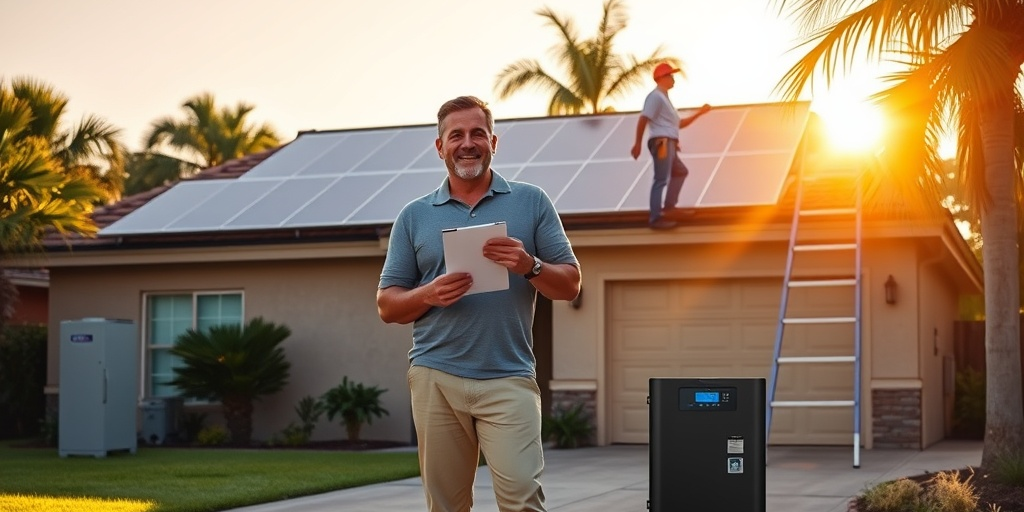
In the sun-soaked state of Florida, where golden rays drench the landscape almost year-round, one undeniable fact stands out—solar energy is not just an option; it’s a vibrant solution to rising electric bills and the looming threat of climate change. In fact, according to the Solar Energy Industries Association (SEIA), Florida ranked third in the nation for solar energy capacity as of 2022, showcasing its potential and popularity. With current increases in energy costs, it’s more essential than ever for Florida homeowners to consider alternative energy sources. This makes this article, titled “Florida Homeowners: 5 Proven Financing Options for Solar Energy,” very timely and critical for those thinking about making a significant energy transition in 2025.
As of right now, it’s clear that solar energy benefits are being amplified by recent policy changes, including new state incentives aimed at fostering solar adoption. Florida homeowners are eligible for a federal solar tax credit that allows them to deduct a significant portion of the cost when installing solar systems—up to 30%! (Energy.gov). Moreover, with grid instability and an emphasis on reducing carbon emissions, adopting solar energy isn’t just an environmentally conscious decision; it’s a financially prudent one.
Through this educational blog, we aim to shed light on five financing options that will empower Florida homeowners to harness solar energy. We’ll navigate through the following sections:
- Case Study: We’ll look at a Floridian family’s real-life solar journey.
- Checklist: A step-by-step guide to secure financing for your solar project.
- Myth-Buster: Tackling common misconceptions about solar financing.
- Local Focus: Exploring Florida-specific resources and statistics.
- Technical Deep-Dive: Understanding the mechanics behind solar energy financing.
As we step into 2025, the urgency to adopt solar energy cannot be overstated. Rising costs, evolving technology, and favorable government policies collaboratively create a perfect storm of opportunity for homeowners. Let’s embark on this enlightening journey to discover the possibilities awaiting you in the realm of solar energy financing.
Making the Investment: A Case Study of Solar Financing
Meet the Martinez family, who recently made the life-changing decision to invest in solar energy for their home in Sarasota, Florida. Faced with soaring electric bills during the scorching summer months, they spent significant time considering various options before ultimately settling on a solar installation. This was not merely about saving money but also about protecting the environment for their children’s future.
After doing extensive research, the Martinez family discovered a variety of financing options tailored for Florida homeowners like themselves. They were particularly drawn to the zero-interest solar financing offered by local credit unions that allowed them to spread out the costs without additional burdens. Here’s how they navigated their solar financing journey:
- Step 1: Assessment of Energy Needs: The family evaluated their energy consumption patterns by reviewing past electric bills. They estimated that investing in a solar system could potentially save them over $1,000 annually.
- Step 2: Understanding State Incentives: With Florida offering a 30% federal solar tax credit, the Martinez family projected that they would save approximately $9,000 on installation costs (Energy.gov).
- Step 3: Exploring Financing Options: Through their research, the family learned about various financing options that help minimize upfront costs, including state-backed loans and repayment plans based on energy savings.
- Step 4: Installation and Inspection: Once they opted for a local solar installer, the family scheduled an inspection and installation that seamlessly integrated with their existing roofing structure.
- Step 5: Monitoring Performance: After installation, they utilized solar monitoring software to track their energy production and savings, which exceeded their initial expectations.
With these steps, the Martinez family successfully converted their dependence on traditional electricity to a sustainable solar solution. Their energy bills halved, and they felt empowered knowing they were contributing to a greener planet. This case study exemplifies how strategic planning and financing can make solar energy accessible to Florida homeowners.
Leveraging the Right Checklist to Secure Financing
When it comes to financing your solar energy project, having a clear checklist can simplify the process. Follow these critical steps to ensure you set yourself up for solar success:
- Step 1: Audit Your Energy Usage: Document your current electricity usage to inform how much solar energy you might need. This will also be vital when discussing solutions with providers.
- Step 2: Explore Existing Incentives: Research available federal, state, and local incentives that can lessen the financial burden. Florida homeowners can often find significant tax breaks (SEIA.org).
- Step 3: Shop Around for Multiple Quotes: Don’t just settle with the first solar company—get at least three quotes to compare not just prices but equipment quality and financing terms.
- Step 4: Consider Long-Term Financing Options: Aim for loans with attractive rates that will allow you to minimize upfront costs while maximizing energy savings over time.
- Step 5: Look into Lease Agreements: Some homeowners may choose to lease solar installations, which provide immediate access to renewable energy without upfront costs.
This structured approach can take the guesswork out of financing your solar project while ensuring you hit all the necessary points. Being informed and organized will give you the leverage needed when negotiating solar terms and exploring financing options tailored for Florida homeowners.
Myth-Busting Common Solar Financing Misconceptions
While knowledge is power, misconceptions can still cloud the decision-making process for many Florida homeowners considering solar energy. Let’s debunk five common myths surrounding solar financing:
- Myth #1: Solar Energy is Too Expensive: Many believe that solar installations are prohibitively expensive. In reality, with available incentives and financing options, many find that solar energy is more affordable than anticipated.
- Myth #2: Solar Ownership Isn’t Worth It: Some think that owning their solar system might not yield substantial benefits. However, studies show that most homeowners see a return on investment within 7-8 years, and that’s without considering rising energy costs (SolarReviews.com).
- Myth #3: You Can’t Finance Solar if You’re Not Rich: A significant number of financing options are designed for different income brackets, making solar accessible for families of varying economic backgrounds.
- Myth #4: Solar Panels are Ugly: With today’s technological advancements, solar panels come in sleek designs that enhance aesthetic appeal. Homeowners can even opt for low-profile installations that blend more seamlessly with roofs.
- Myth #5: Switching to Solar is Complicated: The entire process can be streamlined with the help of knowledgeable solar providers who guide you through steps from installation to maintenance. Companies like Florida Electric & Solar stand ready to assist.
By debunking these myths, Florida homeowners can feel empowered and ready to embark on their solar journey, equipped with the facts and benefits of solar financing strategies.
Local Focus: Your Guide to Florida-Specific Solar Financing
One aspect that makes Florida unique in the solar energy landscape is its vibrant sunlight and favorable policies promoting renewable energy. Florida homeowners looking to finance their solar installations should consider the state-specific advantages, which include:
- Net Metering: Homeowners can receive credits on their electric bills for excess energy produced, creating a dual incentive to produce and consume solar power efficiently.
- Property Tax Exemptions: The state of Florida fully exempts solar installations from property taxes, meaning homeowners won’t face higher taxes as a result of their solar investment.
- Zero-Interest Loans: Various local credit unions offer zero-interest loans for homeowners looking to finance solar systems, which improves affordability and accessibility.
- State Grants and Programs: Look into Florida Solar Energy Center programs that provide additional funding and information tailored to local needs.
Utilizing these local advantages, Florida homeowners are better positioned to make the switch to solar energy. Researching financing options can seem daunting, but resources tailored specifically for the state simplify the process significantly.
For more detailed approaches, you can consult floridaelectricandsolar.com, where you’ll find extensive support in navigating Florida’s solar energy landscape.
Technical Deep-Dive: Understanding Solar Financing Mechanisms
To truly understand the potential of solar energy financing, we should delve deeper into how various systems work. Solar financing options come in numerous shapes and styles, tailored to meet the diverse financial situations of Floridian homeowners. Here are some options:
- Cash Purchase: This method involves paying the entire cost upfront, immediately reaping the benefits from energy savings and tax incentives—a great option for those who can afford it.
- Solar Loans: Many homeowners opt to use solar loans to finance their systems, allowing them to pay for their systems over time as they save on energy costs.
- Leasing Agreements: With leasing, homeowners can install solar panels with little or no money down, paying an agreed-upon monthly fee while enjoying the benefits of solar energy.
- Power Purchase Agreements (PPAs): Similar to leasing, homeowners enter into a contract to purchase energy produced by solar systems at a fixed rate. This can often yield lower energy costs than traditional electric bills.
- PACE Financing: This innovative financing method allows homeowners to finance solar upgrades through property tax assessments, spreading payments over several years.
Understanding these mechanisms is crucial as it allows homeowners to make informed decisions based on their financial situations and energy needs. With advanced planning and foresight, you can maximize your benefits while opting for solar energy.
Next Steps for Florida Solar Buyers in 2025
As you consider transitioning to solar energy, here’s a straightforward action plan to guide you:
- Step 1: Audit Your Electric Bill: Review your current electric bills to gauge your energy usage.
- Step 2: Research Local Providers: Compare different solar companies offering diverse financing options and their reputations.
- Step 3: Consult an Expert: Reach out to professionals, such as those at floridaelectricandsolar.com, who can clarify financing options.
- Step 4: Take Advantage of Incentives: Make sure to inquire about and understand all federal and state incentives available to you.
- Step 5: Make Your Decision: Weigh your options based on your findings and the potential savings to determine the financing method that best suits you.
By following these actionable steps, you will pave the way toward reducing your carbon footprint while also enjoying significant financial savings.
In conclusion, transitioning to solar energy in Florida in 2025 is not just a dream; it’s an attainable reality thanks to the myriad financing options available. We’ve explored various strategies—including real-world scenarios, actionable checklists, and local resources—to empower you on this journey. Not only will you be making a sustainable choice but you’ll also be investing in financial security for your family’s future. The time to make this decision is now.
Ready to start your solar journey in 2025? Connect with a certified expert at floridaelectricandsolar.com today.
Related Articles
More insights about Solar Energy

How Long Do Solar Panels Last in Florida? What to Expect From Your System

Myth-Buster: Separating Truth from Fiction About Solar Energy Savings

Beginner’s Guide to Solar Energy Independence for Florida Homeowners
Ready to Go Solar?
Have questions about solar energy? Our experts are here to help you make the switch to clean, renewable energy.