
Florida Homeowners: 5 Proven Solar Panel Installation Incentives
Share:
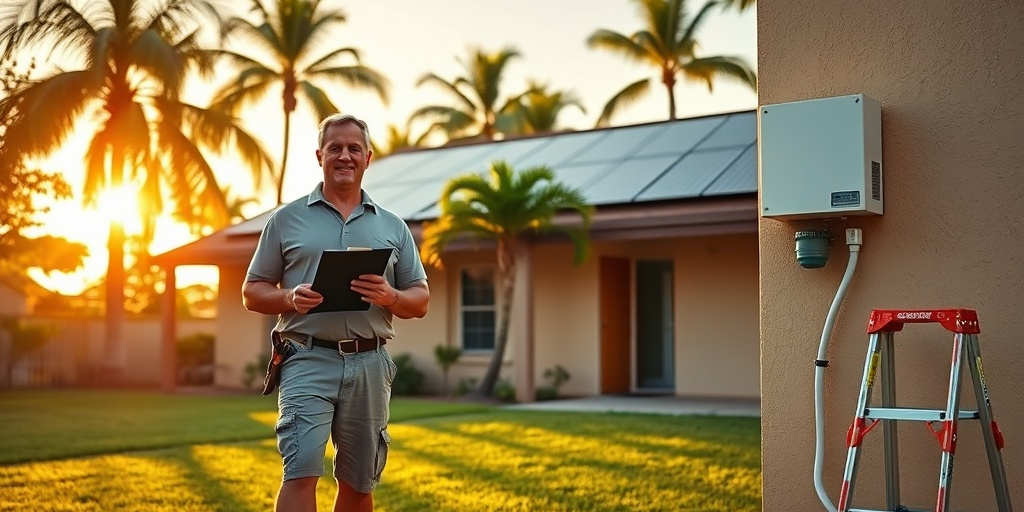
For every Florida homeowner contemplating a switch to solar energy, the question looms large: “Is it really worth it?” The answer lies buried beneath waves of myths, stats, and local incentives waiting to be discovered. For example, did you know that solar installations have increased by over 400% in Florida over the last decade? And as of 2025, experts estimate that homeowners can save up to $30,000 over 20 years by switching to solar energy (SEIA.org). In this guide, titled “Florida Homeowners: 5 Proven Solar Panel Installation Incentives,” we will cut through the noise and help you navigate your solar journey, revealing profound and compelling reasons to embrace this change now. As electricity costs trend upward and renewable energy solutions gain more traction due to environmental pressures, making the leap to solar has never been more urgent.
This blog will explore five distinct sections—each designed to empower you with knowledge about solar incentives. We’ll share a heartwarming case study showcasing the profound impact of solar energy on a family, provide actionable steps for your solar transition, dispel common myths about solar systems, focus on local matters affecting Florida homeowners, and finally, dive deep into technical aspects that matter. The tools you need to make an informed decision await—let’s dive in!
Proven Case Study: The Garcia Family’s Journey to Solar Savings
Meet the Garcias, a family living in Jacksonville, Florida. Like many homeowners, they were initially skeptical about switching to solar energy. Their journey began when Maria and Jorge Garcia received their power bill one scorching summer afternoon. The staggering amount shocked them: over $350 for a single month’s usage! In search of solutions, they stumbled upon solar energy and decided to explore this avenue further.
After researching and consulting with local solar experts, they discovered a reality that many Florida homeowners overlook—state incentives can significantly reduce initial costs. In fact, Florida offers a property tax exemption on solar equipment, meaning the value of their solar panels would not be added to their assessed property value, greatly alleviating financial concerns. Additionally, they qualified for a federal investment tax credit (ITC) that allowed them to deduct 26% of the cost of their solar installation from their federal taxes, further reducing upfront expenditure (SolarReviews.com).
By the time their solar panels were fully installed, the Garcias had secured financing options available under the Florida Solar and Energy Conservation Act that allowed them to afford the system efficiently over the years without any substantial financial burden. Within six months of installation, their energy costs dropped to a staggering $50 per month! This meant they were effectively pocketing an average of $300 per month, translating into over $3,600 in energy savings annually.
- Step 1: Initial Assessment – Understand your energy consumption and set a budget.
- Step 2: Research – Look into local solar companies and financing options.
- Step 3: Consultations – Speak with professionals who can guide you through the process.
- Step 4: Evaluate Incentives – Identify what benefits apply to you as a Florida homeowner.
- Step 5: Installation – Complete your transition with minimal disruption and maximum savings!
This case study illustrates how local solar incentives can transform your home and your finances positively. Many believe that solar panels are too expensive or difficult to maintain, yet the Garcias thrive with their new system, enjoying lowered energy expenses without sacrificing comfort. But let’s bust a few myths surrounding solar energy, to equip you better for your own journey.
Myth-Busting: Unpacking Solar Energy Misconceptions
Myth #1: Solar panels are too expensive and not worth the investment.
This is a prevalent belief, yet many Florida homeowners can recoup up to 65% more of their investment through state incentives and tax credits, meaning financing options can make systems accessible regardless of initial costs.
Myth #2: Solar energy only works in sunny areas.
While it’s true that solar panels perform best in sunny climates, they can still produce electricity during cloudy or rainy days. In fact, solar technology has advanced to produce energy even with limited sunlight (Energy.gov).
Myth #3: Solar panels require constant maintenance.
Once installed, most solar systems require little maintenance—a quick cleaning a couple of times a year is usually sufficient. In Florida, we benefit from regular rains that help clear debris off panels.
Myth #4: I can’t afford solar energy without taking on debt.
Many financing options and leasing programs exist specifically for Florida homeowners, allowing you to enjoy solar benefits with little to no upfront costs. Some plans even guarantee lower monthly payments than current power bills.
Myth #5: Solar panels decrease the value of my home.
In reality, homes equipped with solar panels are often valued higher on the market. A study showed that homes with solar sell for an average of 4.1% more than similar homes without them (SEIA.org).
Busting these myths can enable homeowners to make informed decisions about their energy futures. With the realities of solar energy laid bare, let’s examine the local incentives available for Florida homeowners.
The Floridian Solar Incentive Landscape
Florida’s commitment to renewable energy has manifested in various incentives specifically for solar system installations. Understanding these local benefits can be the difference between hesitating to switch or making a firm decision.
- Property Tax Exemption: As mentioned earlier, the value added by solar equipment is not included in property tax assessments. This means that any installation won’t increase your property taxes (Florida Department of Revenue).
- Federal Investment Tax Credit (ITC): Homeowners can deduct 26% of the installation cost from their federal taxes, ensuring that the barrier to financing is significantly lowered.
- Net Metering: This system allows homeowners to send excess power back to the grid, receiving credits on their utility bill, optimizing savings even more (Energy.gov).
- Local Incentives: Counties and municipalities may also offer further rebates, such as those seen in Miami-Dade, where incentives can stack with federal savings to yield amazing returns.
- Financing Options: Various programs allow homeowners to install solar with little to no upfront cost. It’s essential to explore each option thoroughly based on personal financial situations.
In summary, Florida homeowners are armed with numerous benefits that can tip the scales in favor of solar installation. With this knowledge as your arsenal, let’s explore best practices to maximize solar efficiency in 2025.
5 Expert Solar Installation Tips for 2025
In navigating the world of solar panel installation, certain strategies can significantly boost your efficiency and savings. Here are expert recommendations from seasoned professionals in the solar industry:
- Choose the Right Location: Don’t skimp on panel placement. Ideally, they should face south, west, or east, receiving maximum sunlight exposure throughout the day.
- Opt for High-Efficiency Panels: Not all solar panels are created equal. Investigate options with higher wattage and efficiency ratings that convert more sunlight into usable energy.
- Stay Informed on Local Incentives: Regularly check for updates on evolving state or federal benefits—this will optimize your system’s financial return.
- Go for Battery Storage: Adding battery storage to your system ensures any surplus energy generated during the day can be used when the sun is down, stabilizing energy availability.
- Regular Maintenance Checks: Although maintenance is minimal, conducting regular checks will catch any potential issues early, safeguarding your investment.
In Florida, where roofing is predominantly shingle, contractors should also be well-versed in installation methods to ensure durability and performance. Moving forward, let’s explore a compelling narrative pertaining to solar energy adoption within your community.
Solar Adoption: A Fictional Tale of Transformation in Florida
Imagine the story of the Morales family living in Orlando, who struggled with sweltering summers and electrifying bills that flowed through their household monthly. Day by day, they despaired about rising energy costs, digging deeper into debt to maintain their quality of living. One day, while attending an environmental fair, they encountered friendly representatives from a local solar company.
In a casual conversation, they learned about Florida’s extensive solar incentives and how these could be applied to their situation. Realizing they could harness the sun’s power without considerable upfront costs was revolutionary. They were guided through the process, obtaining financial assistance to install a comprehensive solar system that suited their needs perfectly.
The Morales family found the transition seamless, with a professional installation team ensuring that everything was set and functioning optimally within a couple of days. Not long after, their monthly energy bill dropped to around $60—a staggering change from their previous costs. After one year of consistent savings, they used those funds to facilitate a family vacation, a treat they had skipped in previous years because of overwhelming energy bills.
- Significant Energy Savings: The family saved up to $2,700 in their first year alone.
- Community Impact: Their enthusiasm ignited interest among neighbors, with many opting for solar too, contributing to collective savings.
- Environmental Benefits: The Morale’s switch effectively removed an average of 4 tons of CO2 emissions annually.
- Increased Property Value: After two years, they learned their home’s value had risen due to the solar upgrade, yielding great appreciation in the market.
The Morales story showcases the community-wide impact that solar adoption can create, serving as an inspiration for other families considering this venture. Now, let’s get into the crucial action plan that every Florida homeowner should follow in 2025.
Next Steps for Florida Solar Buyers in 2025
As you set your sights on embracing solar energy, the following step-by-step action plan will guide you through the process with clarity:
- Step 1: Audit Your Electric Bill – Collect your recent bills and understand your current energy consumption. Look for patterns, peak usage times, and check the current rates charged by your utility provider.
- Step 2: Research and Compare Solar Companies – Look for companies with solid reputations, strong warranties, and expertise in Florida installations. Request consultations to receive personalized quotes from at least three providers.
- Step 3: Evaluate Financing Options – Review available financing plans to find what best suits your financial position. Consult with professionals to understand the implications of each choice.
- Step 4: Take Advantage of Incentives – Thoroughly research what local, state, and federal incentives apply to you. Ensure you claim all available tax credits to maximize savings.
- Step 5: Schedule Installation – Once you’ve evaluated your options, finalize your plans with your chosen solar provider. They will guide you through setup, ensuring a stress-free transition into solar energy.
Remember, the journey doesn’t end with installation; staying informed, engaged, and proactive will maximize your solar energy investment. As solutions evolve, remaining proactive will ensure you get the most out of your solar system. Ultimately, embracing solar energy isn’t just an investment in your home—it’s an investment in a sustainable future.
Recapping this journey, we’ve explored essential incentives and opportunities that can alter your energy costs significantly. Never forget the urgency behind this decision—not just for potential savings but for the betterment of your family and home. Are you ready to start your solar journey in 2025? Connect with a certified expert at floridaelectricandsolar.com today.
Related Articles
More insights about Solar Panel

Florida Homeowners: Why Solar Panel Maintenance Is Essential

7 Essential Steps for Solar Panel Installation Success

Expert Insights: Key Factors Influencing Solar Panel Lifespan
Ready to Go Solar?
Have questions about solar energy? Our experts are here to help you make the switch to clean, renewable energy.