
Florida Homeowners: 5 Essential Tips for Solar Panel Installation
Share:
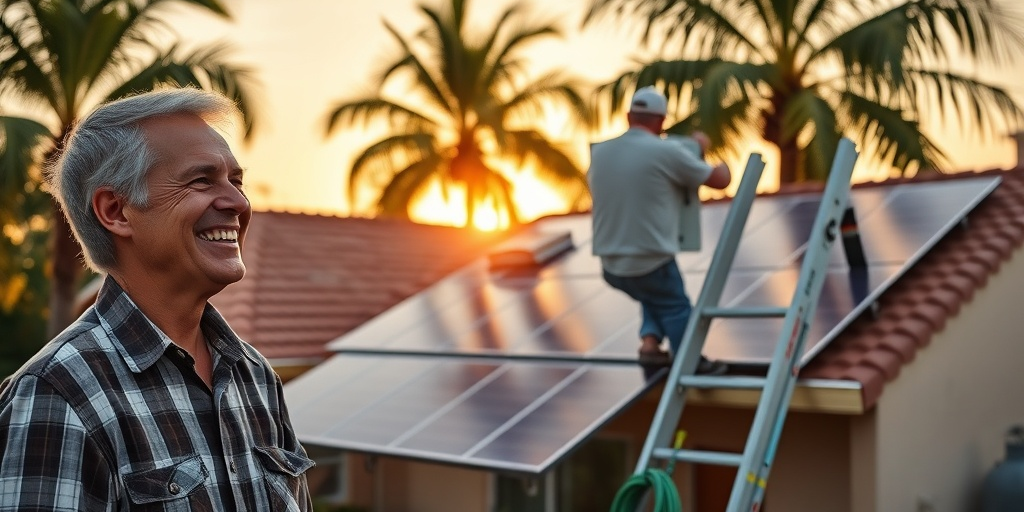
Did you know that Florida ranks second in the nation for installed solar energy capacity? With over 9,000 megawatts installed as of 2023, it’s clear that solar power is not just a trend, but a viable solution for homeowners seeking energy independence and long-term savings. In addition, the Sunshine State’s net metering policies allow homeowners to sell excess energy back to the grid, creating an even more attractive proposition (SEIA.org). Yet despite these compelling reasons, many Florida homeowners remain on the fence about making the switch. Why is that? Perhaps it’s due to the persistent myths surrounding solar panel installation. In today’s blog titled Florida Homeowners: 5 Essential Tips for Solar Panel Installation, we will take a deep dive into the essential elements that make a solar system successful.
As we approach 2025, the importance of optimizing your solar panel installation has never been more urgent. Rising energy costs and newfound incentives from state programs provide a crucial window of opportunity. According to a report from the Florida Solar Energy Center, the state aims to increase its solar capacity significantly by 2025, making this an ideal time for homeowners to consider making the change (Florida Solar Energy Center). In this guide, we will explore five essential tips that will help you maximize your efficiency and savings. Here’s what you can expect to learn:
1. What Florida homeowners get wrong about solar installations.
2. A step-by-step checklist to guide your installation choice.
3. Common myths debunked to clear up misconceptions.
4. Local statistics that highlight the urgency of switching to solar.
5. A technical deep dive into the elements of a solar system.
Let’s get started!
Understanding the Solar Landscape in Florida
As a Florida homeowner, the prospect of installing solar panels may be exciting yet overwhelming. To illustrate this point, let’s consider the case of Maria, a single mother living in Sarasota. After receiving her skyrocketing electric bill, she decided to explore renewable energy options, eventually opting for solar. Upon researching, she discovered several key factors that made her experience smoother and more cost-effective.
Step 1: Maria assessed her roof’s orientation. She learned that south-facing roofs capture the most sunlight in Florida, thus maximizing energy generation.
Step 2: Next, she sought multiple quotes from local installers and evaluated their reputations through sites like SolarReviews.com, ensuring she chose a provider with reliable customer service and quality products.
In Maria’s case, she could have saved herself considerable time and money had she known about the unique considerations for Florida solar installations. A checklist for effective solar installation for other homeowners can ensure a smoother experience.
Checklist for Solar Panel Installation:
- Evaluate Roof Condition: Ensure there are no damages that could affect installation.
- Research Local Incentives: Check for federal and state rebates.
- Choose the Right Installer: Look for local installers with positive reviews.
- Specify Your Power Needs: Determine how much energy you consume versus how much you can generate.
- Understand System Components: Familiarize yourself with inverters, batteries, and panel types.
Moreover, let’s dispel some myths that often cloud the decision-making process. Many homeowners believe solar panels are only effective in sunny states, but the truth is that solar technology can harness absorbed light even on overcast days. Furthermore, in Florida, the average annual UV index is high, making solar a practical choice (NREL.gov).
As you absorb this information, remember that the initial missteps can lead to higher installation costs and decreased energy savings. In the next section, we’ll break down a few misconceptions about solar energy that may be holding you back.
Common Myths About Solar Energy: Unraveling the Truth
Myth #1: Solar panels are too expensive.
Many potential buyers assume that solar panels require a hefty upfront investment beyond their reach. While costs can vary, the average price of solar installations has significantly decreased in recent years, and with state incentives, many homeowners can install systems for less than they think (SolarPowerWorld.com).
Myth #2: Solar solutions are only for sunny climates.
While it’s true that Florida’s sunny environment provides an advantage, solar panels can still function efficiently even during cloudy or rainy days. Advanced technologies enable these systems to capture diffuse sunlight, making them functional year-round.
Myth #3: I need to switch to an entirely electric home.
The assumption that homeowners must completely convert their energy sources to solar is misleading. Many opt for a hybrid approach, using solar as a way to offset their electric bill while still utilizing traditional energy sources when needed.
Myth #4: Installation will damage my roof.
Fear of roof damage deters many homeowners from considering solar. However, reputable installers take great care to assess your roof’s integrity and work within its structure to prevent damage during installation.
Myth #5: Solar panels require constant maintenance.
Another argument often mentioned is that solar systems necessitate constant upkeep. In reality, solar panels require minimal maintenance, with periodic cleaning and inspections ensuring they remain in optimal working order.
With a firm grasp on these myths, Florida homeowners can move forward with confidence. Now, let’s explore some local statistics to emphasize the need for solar energy now.
Florida-Specific Statistics: The Urgency of Transitioning to Solar
Florida is known as a leader in solar energy advancement in the U.S. Let’s unpack some unique data that emphasizes this shift:
- 59% of Floridians believe solar energy should be the primary energy source (Pew Research Center).
- Florida’s solar market is expected to grow to over 16,000 MW by 2025 (Florida Solar Energy Center).
- More than 200,000 homes in Florida already utilize solar energy (Preparation for the Florida Solar Market Agreement).
These statistics illustrate how residents are embracing solar as a solution to elevated energy costs and how potential changes in legislation could favor solar advancements. Additionally, with the ongoing climate crisis, implementing solar energy as a reliable power solution is becoming increasingly critical.
These are compelling arguments for homeowners considering solar power. If you’re ready to embrace this clean energy alternative but are unsure where to start, the next section will equip you with best practices for your solar installation.
5 Expert Solar Installation Tips for 2025
Are you ready to transform your home into a solar haven? Here are five actionable tips every Florida homeowner should keep in mind when planning their installation:
Tip 1: Don’t Skimp on Panel Placement
Optimization of panel placement is critical for maximized energy production. Panels should ideally be positioned on the southern exposure of your roof to capture optimal sunlight. This placement ensures your system is working efficiently, ultimately resulting in more savings.
Tip 2: Consider Battery Storage
Battery storage allows homeowners to save excess energy generated during the day for use at night or during cloudy periods. As energy demand shifts, incorporating batteries can make your home even more energy-efficient and independent from the grid.
Tip 3: Utilize Smart Inverters
Investing in a quality inverter is essential for conversion efficiency. Smart inverters can optimize energy production by automatically adjusting the output depending on changing conditions in real-time.
Tip 4: Schedule Regular Maintenance
Even though solar systems require minimal upkeep, routine inspections ensure everything is functioning correctly. Regular maintenance can help identify problems early and prolong the system’s lifespan, protecting your investment.
Tip 5: Stay Updated on Local Incentives
Florida has numerous incentives that can significantly cut installation costs. Homeowners should continually check floridaelectricandsolar.com for any new programs or grants available to help reduce their total investment.
By following these best practices, you’ll be empowered to maximize your solar investment. Moving into the next section, we’ll delve deeper into a fictional yet realistic narrative of a Florida homeowner’s solar journey, providing you with relatable insights and motivation.
The Fictional Journey of a Florida Solar Homeowner
Imagine a sunny suburb in Orlando where Mike and Emily live with their two children. Like many families, they faced rising energy bills and often felt the pressure as temperatures soared. After extensive research, they decided to go solar but were immediately overwhelmed by the choices available.
Step 1: They began by reaching out to various local solar providers for quotes. By comparing prices, installation schedules, and warranties, they narrowed their options. They also spent time reading reviews and asking neighbors for their recommendations, ultimately settling on a provider with great customer feedback.
Step 2: After deciding on an installer, Mike climbed on the roof to inspect its condition. Knowing they have a south-facing roof, they assessed its suitability for installing solar panels. Once confirmed, they educated themselves about net metering—how their utility would pay them for excess energy generated.
While imagining their future financially, Mike and Emily crafted a list of benefits they hoped to achieve:
- Reduced monthly electricity costs, ideally by 60%.
- Increased property value due to solar installation.
- A commitment to sustainable living, reflecting their family values.
- Enabling their children to learn about renewable energy in daily life.
By the time installation day arrived, excitement filled the air. The installers worked quickly and professionally while Mike and Emily observed closely, eager to learn more about how the technology worked. They were particularly impressed with the inverter set up, which allowed them to monitor their energy production in real-time via a smartphone app.
As months passed, the family saw their energy bills plunge, and their home became a case study in energy efficiency. They thrilled in sharing their solar story with friends and inspiring neighbors to consider going solar.
Seeing sparks of enthusiasm for solar energy among the community, Mike reflected back on their journey, understanding just how far they had come. As they educated others about their experience, the ripple effects of their choice began to grow within their neighborhood.
Now, let’s transition to some actionable next steps. If you’re a Florida homeowner considering solar, these immediate actions could help you kickstart your journey in 2025.
Next Steps for Florida Solar Buyers in 2025
Taking the plunge into solar can feel daunting, but it doesn’t have to be. Here are five concrete steps you can take to make the transition smoother:
Step 1: Audit Your Electric Bill
Identify your monthly energy consumption by looking closely at monthly bills. This data will help you gauge the right size solar system for your needs.
Step 2: Research Local Installers
Create a list of at least three local solar installers. Read reviews and request quotes to compare their offerings and reputations.
Step 3: Evaluate Available Incentives
Explore federal and state incentives that may be available. These could significantly reduce your financial commitment.
Step 4: Understand Your Financing Options
Investigate whether you’ll purchase or lease your solar system. Each option has pros and cons, and it’s essential to understand what fits your financial position best.
Step 5: Schedule a Consultation
Reach out to a certified expert at floridaelectricandsolar.com to discuss your options and answer any lingering questions you may have.
By taking these steps, you will set yourself up for a successful solar journey, ensuring that you make an informed and well-planned investment.
As we recapitulate the key takeaways of today’s discussion, now is the time to reflect on the numerous advantages of switching to solar.
In summary, the landscape for Florida homeowners is changing. With extensive knowledge of the myths surrounding solar energy and ample data emphasizing its importance, you are now equipped to navigate the transition seamlessly. Consider the financial viability, community benefits, and long-term gains of solar installations as you ponder this vital step.
Remember, embracing solar energy not only reduces long-term costs but also contributes to a sustainable future. Don’t delay; take the first step towards energy independence today.
> Ready to start your solar journey in 2025? Connect with a certified expert at floridaelectricandsolar.com today.
Related Articles
More insights about Solar Panel

Florida Homeowners: Why Solar Panel Maintenance Is Essential

7 Essential Steps for Solar Panel Installation Success

Expert Insights: Key Factors Influencing Solar Panel Lifespan
Ready to Go Solar?
Have questions about solar energy? Our experts are here to help you make the switch to clean, renewable energy.