
How Florida Homeowners Can Achieve Energy Independence with Solar Panel Installation
Share:
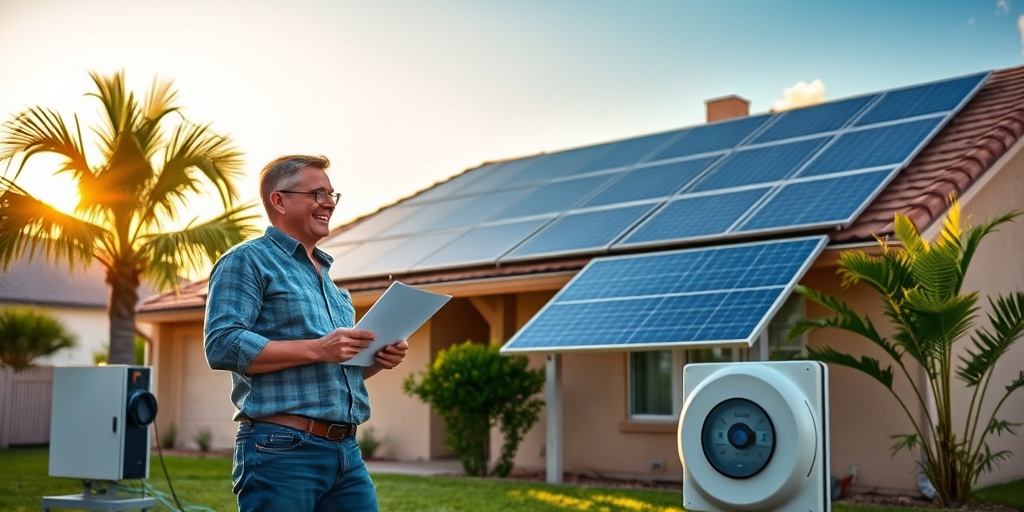
As the sun shines brightly over Florida, it’s easy to see the state’s vast potential for renewable energy. Did you know that solar power could cover more than 90% of Florida’s annual electricity needs? In 2025, the urgency for Florida homeowners to invest in solar energy has never been higher. Energy costs are rapidly increasing, and with new incentives on the horizon, the time is ripe to consider significant savings while achieving energy independence. Welcome to our deep dive titled How Florida Homeowners Can Achieve Energy Independence with Solar Panel Installation. In this article, we’ll explore critical aspects of solar energy, from practical case studies to actionable steps, myth-busting techniques, best practices, and an action plan to help you navigate your solar journey in Florida. Join us as we break down how you can not only benefit financially but also secure a sustainable energy future for you and your family.
In 2025, Florida’s electricity prices are projected to rise further, underscoring the need for homeowners to switch to solar power. According to current statistics, installing solar panels can help property owners save up to 50% on their energy bills, pinching in quite a bit to their monthly expenses (SEIA.org). Furthermore, the installation of solar panels can lead to a nearly 20% increase in home value, which is a considerable incentive for anyone considering selling their property in the future (Energy.gov). The looming advantages of going solar make this topic essential for homeowners wanting an energy-independent lifestyle. Let’s dive into five key areas that will empower you on your solar journey.
Turning Sunshine into Savings: A Case Study of a Florida Homeowner
Meet Lisa, a 40-year-old homeowner residing in Tampa, whose journey toward energy independence began out of frustration. Over the last few years, she had witnessed a steady rise in her electric bill—during the summer months, it often exceeded $300. Lisa felt stressed and began searching for alternatives because she didn’t want to keep paying more to the utility company for a service that provided her little control over her energy use.
In her research, Lisa discovered how Florida’s abundant sunshine could actually work for her rather than against her. With an average of 237 sunny days each year, it made sense to consider solar panel installation. Within a few weeks, she met with a local solar provider to assess her home’s solar potential. After going through the numbers, she realized she could generate enough power from solar panels to cover nearly 100% of her energy costs—now that’s a game-changer!
Lisa opted for a 10 kW solar system, which included high-efficiency panels and a solar battery for energy storage. The installation cost $25,000, but with federal and state tax incentives, she was able to save approximately $7,500 upfront. The lease or financing options available through her solar provider also allowed her to avoid the hefty initial investment while still benefiting from the energy savings. After only a year of use, her monthly electric bill dropped to a mere $20, and she was able to reclaim control over her household energy needs (SolarReviews.com).
What made her journey compelling was how Lisa felt empowered to produce energy independently. By investing in a solar system, she broke free from utility dependence, improving her overall quality of life while dramatically reducing her carbon footprint. She recalls often telling her friends about the impressive savings as well as her excitement about owning her energy.
Steps to Go Solar: Your Actionable Checklist
Are you ready to take the leap into solar energy, just like Lisa did? Here’s a simple checklist to guide you through the solar panel installation process in Florida:
- Step 1: Audit Your Electricity Usage – Inspect your current monthly bills and track your usage patterns. Identifying how much energy you consume will help determine the solar system size you need.
- Step 2: Research Solar Providers – Look for trusted solar installation companies in your area. Check their reviews, previous installations, and certifications to ensure you find the best fit.
- Step 3: Get Quotes – Request at least three quotes from different solar providers. Compare their offers, considering the quality of equipment, financing options, total costs, and warranties provided.
- Step 4: Explore Financing Options – Investigate available federal and state incentives, as well as local utility programs, that can help subsidize the initial costs of solar installation. The Investment Tax Credit (ITC) can provide a significant tax benefit.
- Step 5: Schedule Installation – Once you’ve decided on a provider and securing financing, it’s time to schedule your installation. Ensure you prepare your home, like decluttering the installation area and setting access for the installation team.
Following these actionable steps can pave the way to adopting solar energy. Want to learn more about the specific utility programs available in Florida? Visit floridaelectricandsolar.com for additional resources.
Myth-Busting Common Misconceptions about Solar Energy
As with any significant investment, the world of solar energy is filled with myths and misconceptions. Let’s debunk five common myths that might be causing skepticism about solar panel installation:
- Myth #1: Solar Panels Are Too Expensive – While the upfront costs can be daunting for some, remember that various financing options, tax credits, and rebates dramatically decrease initial investments. The average homeowner can recoup their investment in as little as 5 to 7 years (NREL.gov).
- Myth #2: Solar Panels Don’t Work in Cloudy Areas – Florida’s sunny climate means you’ll likely receive a substantial amount of sunlight, even on cloudy days. The system can produce power efficiently, capturing diffused sunlight.
- Myth #3: Solar Energy is Only Effective for New Homes – Solar panels can be installed on existing homes regardless of age. As long as the roof is structurally sound, solar energy can be harnessed effectively.
- Myth #4: Solar Systems Require Extensive Maintenance – In reality, solar panels require very little maintenance. A periodic cleaning and annual inspections should suffice to keep them operating optimally.
- Myth #5: Solar Energy is Not Reliable – Thanks to advancements in battery storage technology, homeowners can store excess energy and continue to power their homes during power outages, significantly increasing reliability.
Don’t let these myths hold you back from making an informed decision about installing solar panels. Knowledge is power, and empowering yourself with accurate information is the first step toward energy independence.
Understanding the Technicalities of Solar Energy Systems
Solar energy might seem complex, but understanding how it works is crucial for maximizing your benefits. Solar energy systems are generally composed of the following key components:
- Solar Panels: These photovoltaic panels absorb sunlight and convert it into electricity. The quality and efficiency of the solar panels can significantly influence your overall energy production.
- Inverters: The inverter converts the direct current (DC) generated by the panels into alternating current (AC), which is used in your home. Choosing a reliable inverter can optimize the energy yield.
- Solar Batteries: A growing trend is the use of solar batteries that store excess energy generated during the day for use when the sun isn’t shining. This increases energy independence and enhances savings.
- Mounting Systems: Proper installation and mounting systems ensure that your solar panels are optimally positioned to catch the sun’s rays throughout the day.
- Net Metering: This policy allows you to receive credits for the surplus energy your solar system supplies back to the grid. In Florida, net metering laws favor solar owners, making it an attractive incentive.
Being familiar with these components will help you make informed choices during the installation process. Take the time to discuss these aspects with local installers and understand how they fit your specific needs as a Florida homeowner.
Next Steps for Florida Solar Buyers in 2025
The proactive journey toward energy independence starts here. Here’s a checklist with actionable steps tailored for Florida solar buyers in 2025:
- Step 1: Audit Your Electric Bill – Determine how much you’re currently spending on electricity to get a clearer picture of your future savings. Knowing your energy consumption can influence the size of the system you choose.
- Step 2: Research State and Federal Incentives – Utilize available tax credits and rebates specific to Florida homeowners to reduce initial costs. The ITC allows you to deduct a significant percentage of your solar costs from your tax return.
- Step 3: Connect with Professional Installers – Reach out to several solar companies and discuss your needs, desired system size, and the different packages they offer. Look for companies with a strong local presence and positive customer reviews.
- Step 4: Consider System Performance – Ask potential providers about the expected performance and efficiency ratings of the solar panels and inverters they offer. Ensure they can provide adequate monitoring systems that track energy production.
- Step 5: Plan for the Future – Consider how future energy needs may change. For instance, if you plan to add an electric vehicle or expand your family, ensure your solar system can accommodate those increased needs.
It’s essential to secure your energy future. Take advantage of the solar potential in Florida by working with experienced professionals who can guide you through the application and installation phases. For more information about solar energy and to connect with experts in the field, start your journey at floridaelectricandsolar.com.
As we reflect on the journey through Florida’s solar energy landscape, homeowners are empowered to understand the vital aspects of solar panel installation. Between saving money, reducing reliance on traditional utilities, and promoting environmental sustainability, it’s clear why so many are making the transition.
Achieving energy independence with solar power is more than just an investment; it’s a commitment to a brighter and more sustainable future. Now is the time to join your fellow Floridians in embracing this opportunity. The benefits are immense, and the potential savings over the years can provide you with financial freedom while ensuring your family’s energy needs are met without reliance on an unstable grid.
Consider your energy independence seriously; it’s a decision that could shape your family’s future for generations. By harnessing the power of the sun today, you can take control of your energy destiny and enjoy the peace of mind that comes with it.
Ready to start your solar journey in 2025? Connect with a certified expert at floridaelectricandsolar.com today.
Related Articles
More insights about Solar Panel

Florida Homeowners: Why Solar Panel Maintenance Is Essential

7 Essential Steps for Solar Panel Installation Success

Expert Insights: Key Factors Influencing Solar Panel Lifespan
Ready to Go Solar?
Have questions about solar energy? Our experts are here to help you make the switch to clean, renewable energy.