
What Florida Homeowners Ask About Solar Panel Installation Costs
Share:
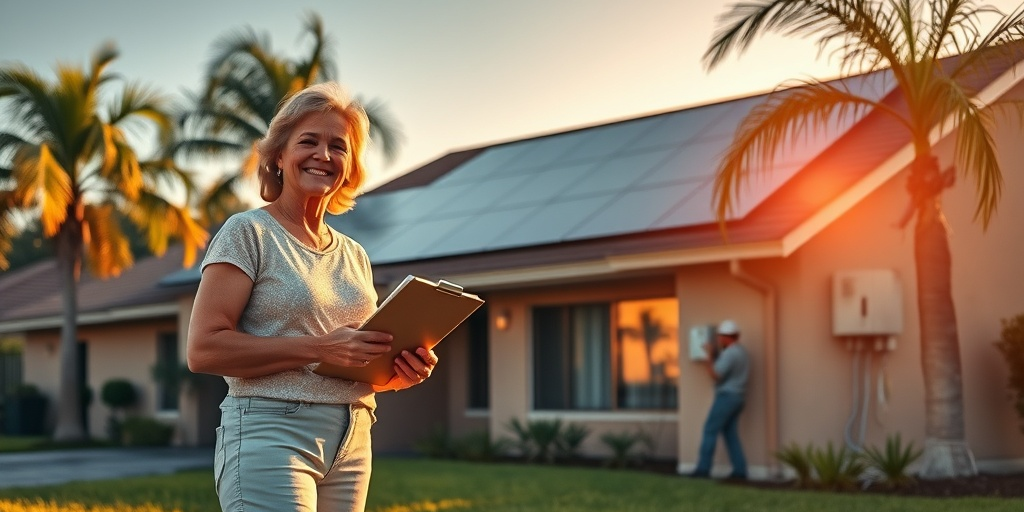
In a world where energy costs are steadily rising, Florida homeowners are increasingly looking for effective ways to save on their electric bills. In fact, according to the Solar Energy Industries Association, Florida ranks third in solar capacity nationally, proving that solar energy is not just a trend but a feasible solution for many residents. But the big question remains: “What do Florida homeowners ask about solar panel installation costs?” This inquiry is particularly critical as we approach 2025, a year projected to bring substantial changes in solar incentives and energy policies. It’s never been more urgent for homeowners to harness the power of solar energy, particularly with potential savings and improved sustainability at stake. This blog post, titled What Florida Homeowners Ask About Solar Panel Installation Costs, will delve deep into common questions, misconceptions, and practical steps for budgeting effectively as we explore the exciting world of renewable energy. We’ll cover the following five sections: a case study revealing personal experiences, a checklist for homeowners to assess their solar options, a myth-busting section addressing common fears, a local focus on Florida-specific data, and a technical deep dive into the technology that makes this all possible.
Diving into Florida Homeowners’ Solar Experiences
Every homeowner’s solar journey begins with questions about costs, benefits, and installation logistics. For instance, let’s take a look at the hypothetical case of Sarah, a single mom residing in the Sunshine State. She noticed her electricity bills climbing over the years. By 2024, Sarah’s average monthly bill reached $250, which left her searching for a sustainable alternative. When she discovered that solar energy could reduce her energy costs and even contribute to environmental sustainability, her interest piqued.
Starting her research, Sarah reached out to several solar companies, including Florida Electric & Solar, to gather quotes. The median cost of solar panel installation in Florida is approximately $21,000 for a standard residential system (SolarReviews.com). With available federal tax credits and state-level incentives, she learned that she could recoup roughly 26% of her initial investment directly off her taxes. This was a critical turning point in her decision-making process.
Checklist for Budgeting Solar Costs:
- Evaluate your energy consumption: Review past electric bills to assess your average monthly usage.
- Obtain multiple quotes: Speak to several solar professionals to obtain estimates tailored to your home.
- Research financing options: Determine if you want to purchase, lease, or opt for a Power Purchase Agreement (PPA).
- Factor in incentives: Familiarize yourself with potential tax credits and rebates available in your locality.
- Consider future home improvements: Plan for alterations that might impact your energy needs or panel efficiency.
In her case, Sarah learned she could save approximately $120 per month on her energy bills after installing solar panels, allowing her to break even on the installation cost in just under 6 years. This long-term savings potential is commonly cited as one of the most compelling reasons to invest in solar.
Myth #1: Solar Panels Only Work in Sunny Areas
Contrary to popular belief, solar panels do work on cloudy days and can generate electricity in various weather conditions, although efficiency may be reduced. In fact, states with less sunlight have seen successful solar adoption because of modern technology.
Myth #2: Solar Installation Is Too Expensive
The upfront cost of solar installation can be daunting, yet financing options often make it manageable. Additionally, the long-term savings on electric bills and depreciation tax benefits greatly outweigh initial expenditures (SEIA.org).
Myth #3: My Roof Needs to Be Perfectly South-Facing
While south-facing roofs are ideal for solar, east and west-facing roofs can also effectively capture sunlight depending on panel configuration.
The crucial takeaway in Sarah’s narrative emphasizes that while installation costs might seem high, the long-term savings and benefits easily justify the expense. To this end, Florida homeowners should feel empowered to seek solar solutions.
Understanding the Costs: What to Expect When Going Solar in Florida
The second section will delve into key considerations regarding the overall costs of solar panel installation. It’s essential for homeowners to have realistic expectations before diving into this investment. The complexities of pricing can stem from various factors, including system type, roof conditions, and solar panel quality. Here are some critical cost considerations:
- Type of System: The cost of your solar installation will significantly vary depending on whether you choose a grid-tied system, battery-backed system, or off-grid system. Grid-tied systems tend to be more affordable due to the existing infrastructure, while battery systems incur additional costs.
- Roof Condition: If roof repairs are needed before installation, costs can escalate. Homes with older roofs may require replacement prior to putting in solar panels, which can add substantial expense.
- Type of Panels: There are varying prices based on the types of solar panels you select. While conventional monocrystalline panels are more efficient and thus costly, thin-film panels are cheaper yet less efficient.
- Electricity Rates: As of 2023, Florida’s average residential electricity rate is around 12 cents per kWh, making solar increasingly appealing. This drives the urgency to invest in solar energy before rates rise (EIA.gov).
- Location: Installation costs differ from county to county, influenced by local government policies and solar incentives.
As homeowners navigate financing options, many are surprised to find that solar financing can come in various forms. Whether you wish to finance directly through solar companies or explore external financing routes, options exist to suit diverse financial situations. Furthermore, leasing or entering into a Power Purchase Agreement (PPA) can enable homeowners to save without incurring significant upfront costs.
It is noteworthy to mention that while the tax incentives might encourage investment, Florida also advocates for net metering, allowing homeowners to sell excess energy back to the grid. This can further offset costs, offering a safety net for homeowners worried about potential energy shortages or fluctuating future expenses.
In conclusion, understanding the overall costs associated with solar panels and electricity generation and making informed choices based on personal energy consumption and local policies can make a significant difference.
For detailed insights and how-to advice, visit floridaelectricandsolar.com.
5 Expert Solar Installation Tips for 2025
As 2025 approaches, homeowners can implement strategies to streamline their solar installation process while maximizing their savings. Here are five expert tips to keep in mind:
- Don’t Compromise on Quality: Investing in high-quality panels and knowledgeable installation services pays off in the long term.
- Schedule an Energy Audit: Before installation, conduct an energy audit to understand and address existing concerns regarding your energy consumption and needs.
- Choose the Right Installer: Take time to research and find a reputable solar installer who understands local regulations and provides transparent pricing.
- Stay Informed on Local Incentives: Keep up with local incentives or legislation changes that could affect the financial viability of your solar investment.
- Focus on Panel Placement and Orientation: Work with your installer to achieve optimal panel placement, maximizing exposure to sunlight and efficiency.
By utilizing these tips, Florida homeowners can not only simplify their solar installation journey but also enjoy the long-term benefits of renewable energy.
Understanding Solar Technology: Breaking It Down
To truly appreciate the value of investing in solar energy, it is vital to understand the technical aspects of solar technology. Solar panel systems consist of three main components: panels, inverters, and battery storage. Each component plays a critical role in ensuring that solar energy is harvested and converted into usable electricity.
- Solar Panels: Solar panels convert sunlight into electricity using photovoltaic cells. The efficiency of these panels varies by type; monocrystalline panels are known for their high efficiency, while polycrystalline panels are less expensive but slightly less efficient.
- Inverters: The inverter takes the DC power generated by the solar panels and converts it into AC power, which is the form of electricity used in homes. Microinverters and string inverters are popular options, each with unique performance characteristics.
- Battery Storage: With the advent of battery technology, homeowners can now store excess energy generated during the day for nighttime use or during grid outages. This offers a much-improved energy independence when combined with solar panels.
Understanding these components can help homeowners make informed decisions when selecting solar systems. Furthermore, recent advancements in battery technology have made it increasingly viable for Florida-based installations to capitalize on energy storage systems applicable to their unique climate and energy needs.
According to recent reports, energy storage systems are projected to see exponential growth as more homeowners recognize the potential for smart home integration and backup power options (NREL.gov). Investing in solar technology today will not only provide savings but also enable Florida homeowners to future-proof their energy setups.
Next Steps for Florida Solar Buyers in 2025
Are you ready to take the plunge into solar energy? Here’s how Florida homeowners can streamline the process:
- Step 1: Audit Your Electric Bill: Begin by reviewing your electric bill to determine your average usage and costs, helping you set realistic expectations for savings.
- Step 2: Research Local Incentives: Stay informed about available tax credits and incentives that could lower your initial investment.
- Step 3: Get Multiple Quotes: Reach out to several solar providers to compare quotes and services offered.
- Step 4: Choose the Right Financing Option: Investigate options, including purchasing outright, financing, or leasing. Determine which option aligns with your financial situation.
- Step 5: Make the Installation Decision: After evaluating your budget, quotes, and technologies, decide when to proceed with your solar installation.
By following these steps, you can reduce friction in the decision-making process, ensuring a smoother transition to renewable energy. For assistance, visit floridaelectricandsolar.com and connect with professionals who can guide you on your journey.
As we reflect on the journey through What Florida Homeowners Ask About Solar Panel Installation Costs, it becomes evident that understanding the dynamics of solar installation costs offers Florida residents a path to not only saving money but also contributing to a sustainable future. The wealth of knowledge gained equips homeowners to make informed decisions and embrace solar energy confidently. With rising energy costs and new incentives on the horizon, taking that first step toward solar means investing in more than just panels—it’s investing in your home, family, and future.
Ready to start your solar journey in 2025? Connect with a certified expert at floridaelectricandsolar.com today.
Related Articles
More insights about Solar Panel

Florida Homeowners: Why Solar Panel Maintenance Is Essential

7 Essential Steps for Solar Panel Installation Success

Expert Insights: Key Factors Influencing Solar Panel Lifespan
Ready to Go Solar?
Have questions about solar energy? Our experts are here to help you make the switch to clean, renewable energy.