
How Florida Homeowners Can Benefit from Solar Battery Storage
Share:
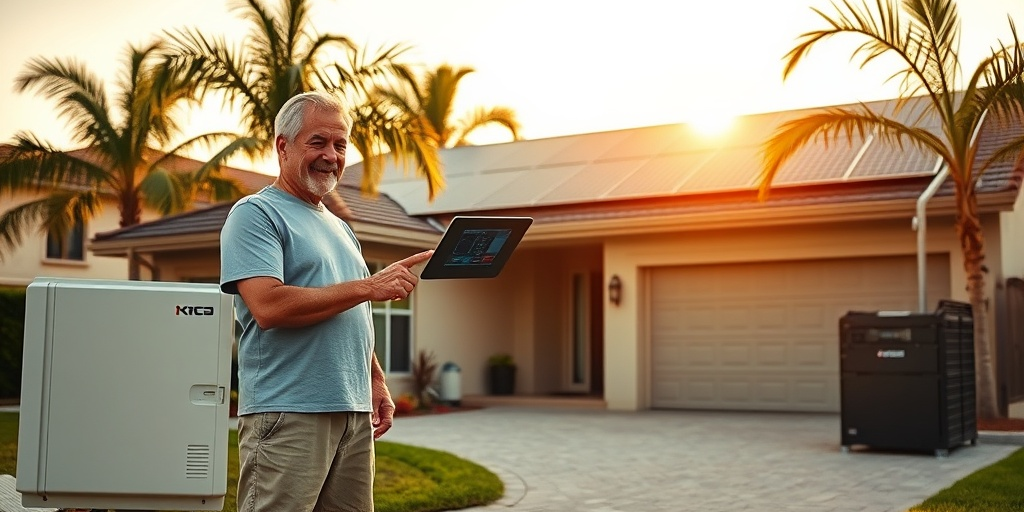
Imagine a stormy night in Florida when the power goes out, plunging your home into darkness. Now imagine that, instead of scrambling for candles and flashlights, you’re comfortably carrying on, thanks to the solar battery storage system you installed last year. This scenario is becoming more common for Florida homeowners, thanks to innovations in solar battery technology and the increasing need for energy independence. Today, we’ll explore how Florida homeowners can benefit from solar battery storage, highlighting both the urgent need for this technology in 2025 and the significant advantages it offers. While the Sunshine State already enjoys abundant sunlight, rising energy costs and unreliable grid power are prompting residents to look for responsive, long-term solutions.
With over 2.3 million solar installations nationwide, the importance of investing in solar power is undeniable (SEIA.org). In Florida, the PV market has expanded, with the state ranked among the top ten for solar capacity (NREL.gov). However, despite these advances, many homeowners are still unaware of how solar battery storage can empower them to take control of their energy usage and costs. In this blog, we will delve into the crucial aspects of solar battery storage and how it can help you, as a Florida homeowner, enhance your energy independence. We will explore key points, including:
- A case study of a Florida homeowner’s experience with solar battery storage.
- A comprehensive checklist to assess your need for solar battery storage.
- Debunking common myths surrounding solar battery technology.
- A local focus on the implications of solar power policy for Florida homeowners.
- A deep dive into the technical aspects of solar panels, batteries, and energy management.
As we move into 2025, solar battery storage is not just a trend; it’s becoming a necessity. So let’s dive in and uncover how you can benefit from this transformative energy solution.
Realizing Energy Autonomy: A Case Study of a Florida Family
Imagine the Johnson family from Orlando. Lisa and Tom, parents of three kids, always felt disconnected from their energy provider. With rising electricity costs and frequent power outages, they wished for a way to stabilize their electricity supply. After extensive research, they took the plunge in 2023 and installed a solar panel system paired with a high-capacity battery storage unit.
The family first noticed an immediate drop in their monthly electric bill after installing solar panels. But the true game-changer was the battery. During the scorching summer months, when the sun blazed down on their roof, the solar panels charged the battery, allowing the Johnsons to store excess energy for use during the evenings and on cloudy days.
After a particularly brutal storm left much of Orlando without power for three days, the Johnsons were able to keep their essential appliances running, thanks to their solar battery storage. This experience was not only comforting but affirming; they had taken control of their energy consumption.
Here’s a breakdown of their experience:
- Immediate Savings: The Johnsons saw a 40% reduction in their monthly power bill within the first billing cycle after installation.
- Backup Power Supply: During a week-long power outage, their solar battery provided all necessary energy for refrigeration and lighting without a hitch.
- Environmental Impact: Transitioning to solar energy led to a reduction of 3.5 tons of CO2 emissions annually, equivalent to planting over 150 trees (NREL.gov).
From their journey, we can conclude that homeowners willing to invest in solar technology are not only saving money but also increasing their energy reliability and contributing positively to the environment. Ready to explore how you too can benefit? Here’s a checklist to get started comprehensively!
Checklist: Assessing Your Need for Solar Battery Storage
Let’s review a straightforward checklist that can help you evaluate your need for solar battery storage. Becoming familiar with these steps can ensure you’re making the right decision tailored to your unique energy requirements.
- Step 1: Analyze Your Current Energy Costs
Review your electric bills for the last year to identify trends in usage and billing amounts. Determine how much you currently spend on electricity during peak and off-peak hours. This insight is critical for understanding potential savings with solar battery integration.
- Step 2: Consider Your Energy Consumption Patterns
Examine your daily energy use—what times do you consume the most energy? Shifting usage to daylight hours can maximize the efficiency of your solar panels and battery. For instance, running appliances such as washing machines during the day can minimize expenses, enabling you to rely on the stored energy at night.
- Step 3: Evaluate Local Incentives and Programs
Research local solar energy incentives that are available to Florida homeowners, such as rebates or federal tax credits. For example, the federal solar tax credit allows homeowners to deduct 26% of the cost of installing solar energy systems from federal taxes (Energy.gov).
- Step 4: Assess the Condition of Your Home
Is your roof suitable for solar installation? A professional inspection can help determine any necessary repairs. For optimal performance, your roof should ideally have a southward-facing orientation and be free from shade.
- Step 5: Consult a Solar Energy Expert
Finally, seeking a consultation from a reputable solar provider like floridaelectricandsolar.com can help you clarify your goals, budgets, and technical choices—including the best battery storage solution for your home.
Now that we’ve established the groundwork, let’s debunk some common myths that often cloud homeowners’ views on solar battery storage.
Debunking Myths Surrounding Solar Battery Storage
It’s time to clear the air concerning solar battery storage and dispel some prevalent myths that can deter potential consumers from making an informed decision about solar energy.
Myth #1: Solar Batteries Are Too Expensive
Many homeowners believe that solar battery systems are financially out of reach. However, prices have significantly decreased in recent years. According to a report by EnergySage, costs have fallen by over 50% since 2012. This decreasing price trend makes it an increasingly accessible option for the average household (EnergySage.com).
Myth #2: You Don’t Need a Battery If You Have Solar Panels
While solar panels generate electricity, they do not store it. Without battery storage, homeowners may lose energy generated during the day when the sun isn’t shining. A solar battery allows for energy utilization and independence throughout the night and during power outages.
Myth #3: Batteries Require Too Much Maintenance
Modern battery systems like lithium-ion are designed to be low-maintenance. With little required upkeep, these batteries are mostly self-monitoring and will alert users if any action is needed.
Myth #4: Solar Battery Backup Isn’t Reliable
Many still believe that energy from batteries cannot be relied upon. However, these systems undergo rigorous testing to ensure consistent performance, and reputable brands offer warranties that can extend up to 25 years.
Myth #5: Solar Batteries Only Work in Sunny Areas
While it’s true that solar panels rely on sunlight, batteries can store energy generated by solar systems. Even in less sunny conditions, solar batteries can provide backup power to homeowners, making them valuable in diverse climates.
Consolidating this knowledge helps shed light on why Florida homeowners should not only consider solar panels but also battery storage as a complementary solution. Next, let’s shift our focus to the local perspective and see how solar policies influence homeowners in Florida.
Local Focus: The Policy Landscape for Florida Homeowners
Florida’s fertile solar ground is supported by laws and policies that encourage the adoption of solar energy solutions. As a Florida homeowner, it’s crucial to understand how regulations impact your decision to install battery storage along with solar panels. Here are some pivotal aspects:
- Net Metering Benefits: The state’s net metering policies allow homeowners to receive credit for excess electricity produced, effectively offsetting costs during months of high energy usage (FloridaSolar.org). This policy provides financial benefits directly related to solar energy reduction and enhances the overall financial viability of solar battery storage.
- Solar Tax Incentives: Florida homeowners can benefit from the federal Investment Tax Credit (ITC), incentivizing solar installations with up to a 26% tax credit. Local counties and municipalities may even offer additional local tax exemptions for solar home improvements, further encouraging wider adoption.
- Energy Resilience Programs: Recent legislative changes have paved the way for energy resilience programs focused on promoting solar energy and battery systems. Such initiatives bolster Florida’s commitment to a clean energy future while providing homeowners with valuable resources to consider.
Embracing these programs can help Florida homeowners maximize their savings and energy efficiency, enhancing their appeal for adopting a solar energy system with battery storage. Now, let’s take a closer look at the technical aspects that make these systems so desirable for residential use.
Technical Deep-Dive: How Solar Panels and Batteries Work Together
Understanding the technical framework behind solar battery storage can empower homeowners to appreciate the multifaceted benefits that arise from solar power. It may seem intimidating, but here we’ll break it down comprehensively.
The integration of solar panels with battery storage systems provides exceptional control over energy management. Here’s a deeper analysis:
- Solar Panels: These units convert sunlight into electricity using photovoltaic cells. This generated electricity can be used immediately or stored in batteries for later use.
- Inverters: This component plays a critical role in turning direct current (DC) electricity generated by solar panels into alternating current (AC) electricity which can be used in your home. Modern inverters often come with monitoring capabilities, allowing users to assess their energy production and consumption in real-time.
- Battery Systems: The heart of energy independence, modern lithium-ion batteries—similar to those in smartphones—are compact, efficient, and capable of substantial energy storage. When paired with solar panels, these batteries allow homeowners to store excess energy for use during cloudy days or nighttime hours, enhancing overall energy accessibility.
- Smart Management Systems: With advancements in technology, homeowners can use smart management systems to monitor their energy use patterns. Tools like apps or online dashboards offer insights into energy consumption, allowing for optimization of usage and savings.
Each of these components must work seamlessly together to create an effective and reliable solar power solution. Planning for this integration is vital for maximizing energy savings and alleviating reliance on grid power.
Next Steps for Florida Solar Buyers in 2025
The growing interest in solar energy is palpable, and Florida homeowners in 2025 have a golden opportunity to capitalize on these advancements. Here’s a clear action plan to help you navigate the solar battery landscape:
- Step 1: Audit Your Electric Bill
Study your monthly utility bills to pinpoint your usage patterns and identify peak costs. This data can guide your investment in solar panels and batteries.
- Step 2: Research Local Solar Providers
Investigate and schedule consultations with reputable local solar companies to gain insights tailored to your specific needs. Experts in the field will address your inquiries while helping you understand your financing options.
- Step 3: Assess Financing Options
Explore the financial incentives available, including state-sponsored programs, tax credits, and solar loans that can reduce your upfront costs, making solar investment more accessible.
- Step 4: Plan Your Installation Timeline
Work with your chosen solar provider to establish a suitable timeline for installation while ensuring all necessary permits and inspections are completed.
- Step 5: Monitor and Optimize Your Energy System
After installation, keep track of the functionality of your solar power system and battery. Continuous monitoring allows you to optimize your energy usage, ensuring your investment works effectively.
Taking these proactive measures will empower you to make a wise investment in solar energy that will reap benefits for years to come. A brighter, more sustainable future awaits, and as you explore your options, consider reaching out to floridaelectricandsolar.com for expert guidance.
In conclusion, adopting solar battery storage is more than just a trend; it’s a vital step towards energy independence, environmental stewardship, and financial savings. The stories of homeowners like the Johnsons illustrate the transformative potential of solar power, particularly when batteries are integrated. The knowledge that you can enjoy financial savings, contribute positively to the environment, and power your home during outages can be empowering.
As energy costs and grid instability rise, the urgency to adopt solar energy solutions has never been clearer in 2025. So not only should you consider going solar, but also embrace battery storage to maximize your investment, ensuring reliability and peace of mind for your family.
Ready to start your solar journey in 2025? Connect with a certified expert at floridaelectricandsolar.com today.
Related Articles
More insights about Battery Storage

What Is a Solar Battery and How Does It Store Power for Your Florida Home?

Beginner’s Guide to Solar Battery Storage Essentials

Florida Homeowners: Unlock Benefits of Solar Battery Storage Today
Ready to Go Solar?
Have questions about solar energy? Our experts are here to help you make the switch to clean, renewable energy.