
Why Florida Homeowners Should Consider Community Solar Benefits
Share:
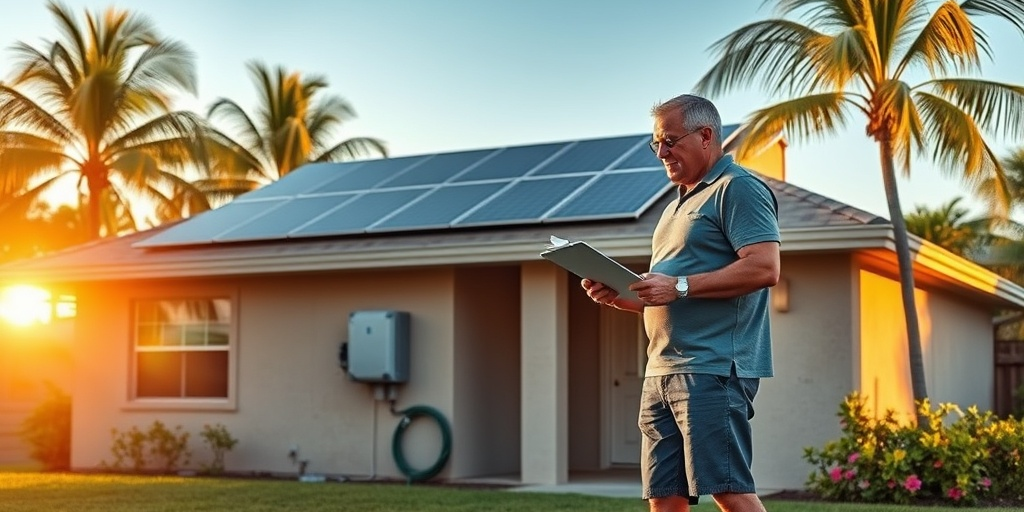
In the sun-soaked state of Florida, more than 90% of homeowners are increasingly aware of the transformative impact of solar energy on their homes and finances (Energy.gov). As electric rates continue to rise, many homeowners are left wondering how they can gain control over their energy costs while contributing positively to the environment. Surprisingly, less than 10% of the eligible population is leveraging community solar benefits—a powerful option that enables participation in solar energy without the commitment of rooftop installations. This raises an important question: why are Florida homeowners still hesitant about community solar when it offers such potential for savings and sustainability?
This blog post, titled Why Florida Homeowners Should Consider Community Solar Benefits, explores the advantages of community solar programs specifically for residents of the Sunshine State. Importantly, incentives such as the Federal Investment Tax Credit are set to expire soon, making 2025 a critical year for those interested in reducing energy costs and carbon footprints alike (SEIA.org). As Floridians experience rising energy demands primed by extreme weather and an evolving energy grid, community solar presents a timely solution for energy independence.
In the following sections, we will delve into five key areas: the emotional journey of homeowners embracing community solar, actionable steps to get involved, the myths hindering solar adoption, local insights that impact your decisions, and a technical analysis of community solar systems. Each section aims to educate, engage, and hopefully convert you into a community solar advocate!
Harnessing Community Energy: A Dive Into Florida’s Solar Landscape
Jessica Thompson, a lifelong Florida resident, faced surging electrical bills every summer as her air conditioning worked overtime to beat the heat. The stress of rising costs weighs heavily on families across the state, but Jessica discovered a remarkable alternative: community solar. With little understanding of how it worked, she spent time researching the in’s and out’s of solar energy.
Initially, Jessica believed common myths like “I can’t go solar because I rent” or “community solar requires significant upfront costs,” but her perception began to change as she explored the data. Community solar programs allow residents like her to invest in shared solar projects, which in turn provide energy credits on their bills. It’s an ideal option for many Floridians who cannot afford the expense or structural requirements of a full rooftop solar system. Moreover, these programs can reduce bills by 10-50%, depending on the provider (CommunitySolar.org).
The use of community solar is especially beneficial considering the state’s transition to renewable energy. According to a report from the Florida Solar Energy Center, solar energy uptake is expected to double over the next five years (FSEC). With the right knowledge, homeowners can make informed choices that enhance their energy savings while participating in Florida’s green revolution.
Checklist for Participation: Steps to Get Involved in Community Solar
Ready to jump into Florida’s community solar movement? Follow this simple checklist to ensure you make the most of available options:
- Step 1: Research Local Community Solar Programs: Find out which community solar farms are available in your area, reviewing their size, capacity, and participation conditions.
- Step 2: Assess Your Eligibility: Check if you are eligible for participation based on your property’s specifications and your energy needs.
- Step 3: Engage with Program Administrators: Contact program administrators for detailed insights and ask about potential savings and contractual agreements.
- Step 4: Review Payment Options: Explore upfront costs and fees to understand what financial commitment you will need to make.
- Step 5: Sign Contracts and Start Saving: Once satisfied with your options, sign and enroll in your chosen community solar program so that savings can begin.
Using this straightforward checklist, you can navigate the community solar landscape and find the best program for your particular needs. Remember, community solar is designed to bring solar energy to those who need it most!
Myths About Community Solar Unveiled
Despite the growing popularity of community solar, many myths remain widely accepted, preventing interested homeowners from making the leap. Here are the crucial misunderstandings dispelled:
- Myth #1: Community solar projects are only for affluent homeowners.
In reality, participation often requires low or no upfront fees (NREL.gov), making it accessible to a broader audience. - Myth #2: You can’t go solar if you live in a condominium or apartment.
Community solar allows renters or condo owners to benefit from solar energy without needing a traditional rooftop system. - Myth #3: Community solar is not financially beneficial.
In fact, many participants save significantly on their power bills, promoting both economic and environmental benefits (SolarReviews.com). - Myth #4: Connection to a community solar project voids existing utility contracts.
Commonly, these arrangements can co-exist without interference with utility service agreements. - Myth #5: Community solar projects are temporary.
Many projects are designed for long-term use, binding homeowners to savings for years to come.
By dispelling these myths, it becomes comprehensible why community solar is a preferred option. The potential for significantly reduced costs and environmental impact is accessible to everyone, regardless of their living situation.
Understanding Community Solar: Local Focus and Insights
Community solar programs can differ significantly based on state regulations, local utility providers, and Florida’s unique environmental conditions. This section will focus on the local context, examining how Florida’s approach to community solar allows for tailored solutions.
- Understanding Florida Regulations: Florida’s Public Service Commission actively promotes renewable energy use. Community solar programs often benefit from these proactive policies, making it easier for homeowners to engage.
- Impact of the Sunshine State: Given Florida’s abundant sunshine, the efficiency and output of community solar panels can vastly outpace projects in less sun-rich states, yielding a great return on investment.
- Local Utilities’ Role: Collaborations between local utilities and solar developers enhance reliability and infrastructure integrity while providing financial incentives.
With local utilities increasingly launching community solar projects, connecting with Florida Electric & Solar can provide clarity on available options. Innovative solutions tailored to your needs ensure you get the most out of solar energy. More insight on local programs can be found at floridaelectricandsolar.com.
5 Expert Tips to Maximize Community Solar Installations in 2025
For homeowners considering community solar in the coming years, understanding the best practices for installation and engagement is crucial. Here are five expert tips to ensure you maximize your solar experience:
- Evaluate Your Utility Provider’s Reputation: Different utility companies handle community solar programs with varying levels of efficiency and customer service. Research recent updates or reviews to see how they treat their solar participants.
- Understand the Contract Terms: Pay close attention to contract specifications regarding any fees or penalties for cancelation. Transparency is vital in protecting your interests.
- Monitor Your Savings: Consistently track your energy bills post-installation to ensure your expected savings are being realized. Report discrepancies immediately.
- Engage with Your Community Solar Team: Open communication with your program representatives is essential for staying informed on any changes that may affect your solar output.
- Stay Informed About Legislative Changes: As laws and incentives surrounding solar energy evolve, keeping abreast of new developments can help you make more informed decisions.
By adhering to these expert tips, Florida homeowners can maximize the benefits of their community solar investments while ensuring a smooth, rewarding experience.
Taking the Next Step: How to Engage With Community Solar Programs
As a Florida homeowner, embarking on the solar journey can be transformative. Here are actionable steps to initiate your engagement with community solar in 2025:
- Step 1: Audit Your Energy Consumption: Begin by reviewing your electric consumption patterns over the past year to determine how much solar capacity you’ll need.
- Step 2: Research Local Community Solar Projects: Investigate which farms in your area offer community solar and examine what each has to provide.
- Step 3: Utilize Online Tools: Use local solar calculators or community solar portals to estimate your potential savings from these projects.
- Step 4: Choose the Right Provider: Compare offers from different community solar providers and what they promise in terms of savings and capacity.
- Step 5: Sign Up and Get Involved: After making an informed decision, enroll in your preferred program, and stay proactive by staying involved.
By taking these steps, you create a pathway toward energy savings and a sustainable future. Don’t let hesitation stand in the way of benefiting from community solar initiatives. More information is available through reliable resources at floridaelectricandsolar.com.
Conclusion: Embracing Community Solar for a Bright Future
As we have explored throughout this blog, community solar provides Florida homeowners with opportunities to embrace sustainable energy solutions that save money and contribute to a greener future. With stories of those like Jessica and actionable steps for engagement, it is clear that many households close to you are benefitting from this initiative.
Think back to the rising electric bills mentioned earlier. Each dollar you save is a dollar that can be reinvested in your family, home, or community. Being informed, eliminating myths, and engaging with local programs makes community solar not just a convenience, but a serious financial strategy.
As we approach 2025, opportunities for solar energy are expanding but so are challenges posed by climate change and fluctuating energy costs. Our decision to embrace solar energy now is more important than ever. Don’t wait for the threat of future storms or economic uncertainty to prompt action.
Ready to start your solar journey in 2025? Connect with a certified expert at floridaelectricandsolar.com today.
Related Articles
More insights about Community Solar

Florida Residents: 5 Reasons to Consider Community Solar Benefits

South Florida Community Solar Benefits: What Residents Should Know

Beginner’s Guide to Understanding Community Solar Benefits
Ready to Go Solar?
Have questions about solar energy? Our experts are here to help you make the switch to clean, renewable energy.