
Why Florida Homeowners Should Consider Off-Grid Solar Systems
Share:
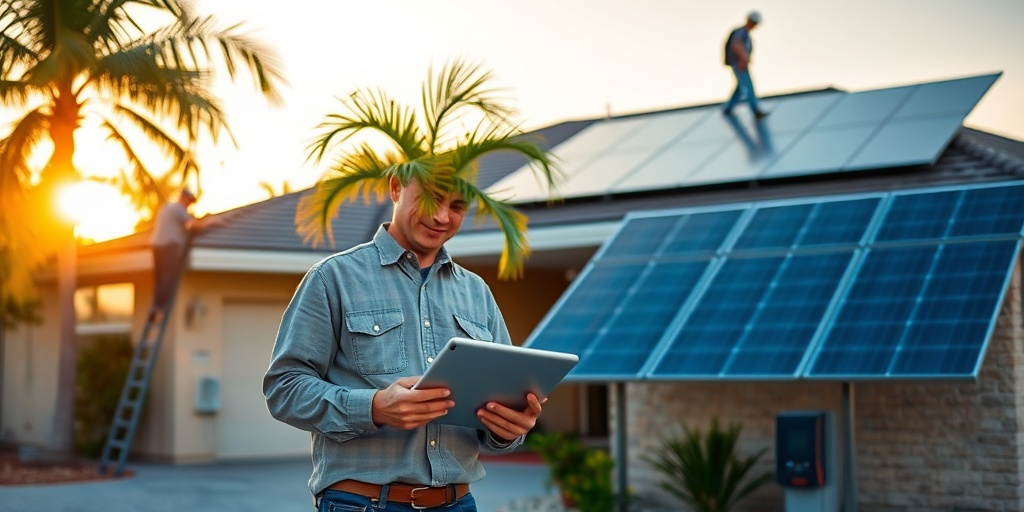
Imagine flipping the light switch in your home and knowing that every bit of energy flowing through your outlets is coming from sunlight—clean, ample, and free. This isn’t just a dream for many Florida homeowners; it’s a reality made possible by off-grid solar systems. Understanding “Why Florida Homeowners Should Consider Off-Grid Solar Systems” is no longer an option, but a necessity in 2025, as energy costs continue to escalate and the reliability of traditional power grids is increasingly challenged. In fact, according to the Solar Energy Industries Association, Florida added over 4 gigawatts of solar capacity in 2022, ranking third in the nation for solar installations (SEIA.org). Moreover, the Census Bureau reports that nearly 800,000 households in Florida are now using solar energy solutions (Census.gov). With such a significant portion of your neighbors relying on solar, it’s time to join the revolution and harness the sun for your own needs.
The urgency to pivot towards solar solutions is further emphasized by incentives like the Federal Investment Tax Credit, which is set to provide up to 30% off installation costs for solar systems through the end of 2025. The inevitability of rising utility rates combined with these incentives makes now the perfect time to act. Not only do off-grid solar systems offer energy independence, but they also promise significant financial savings—especially in a state notorious for its energy-sucking humid summers.
In this comprehensive guide, we’ll navigate the five essential sections of understanding off-grid solar systems:
- The Deep Dive: What Off-Grid Solar Means for You
- Step-by-Step Checklist for Transitioning to Off-Grid Solar
- Myths About Off-Grid Solar Systems: Debunked
- Local Perspectives: Florida’s Unique Solar Landscape
- A Technical Analysis of Off-Grid System Components
Prepare to set aside your skepticism as we delve deeply into the world of off-grid solar systems and uncover the breathtaking possibilities they offer to Florida homeowners.
Understanding Off-Grid Solar Systems
Florida homeowners are increasingly drawn to the appealing idea of self-sufficiency. Off-grid solar systems promise just that—freedom from the grid and control over your own energy consumption. For instance, consider the story of Amy and John, a couple living in Ocala who decided to take advantage of off-grid solar for their modest home. After painful experiences with power outages during hurricane seasons, they invested in a complete off-grid setup that includes solar panels, deep-cycle batteries, and an inverter. The result? In addition to slashing their electric bills, they now have peace of mind knowing they’re prepared for storms —and the best part is, their home’s value has increased significantly.
As inspiring as Amy and John’s story is, it raises a pivotal question: what steps should homeowners take to transition to off-grid solar systems successfully? Here’s a handy checklist to guide your journey:
- Step 1: Evaluate Your Energy Consumption – Assess how much energy your home requires monthly.
- Step 2: Audit Available Space – Measure your roof space and determine how many solar panels you can install.
- Step 3: Research Battery Storage Options – Investigate the various batteries available that best fit your energy needs and budget.
- Step 4: Consult a Solar Expert – Get in touch with professionals, like those at floridaelectricandsolar.com, who can provide tailored solutions.
- Step 5: Prepare for Installation – Draft your budget and design your solar system layout with guidance from experts.
With these steps in mind, let’s debunk some common myths surrounding off-grid solar systems that might be hindering your progress.
Myths About Off-Grid Solar Systems: Debunked
The solar industry, while rapidly evolving, is often cloaked in hesitation and misinformation. These myths can prevent homeowners from taking the leap into solar energy. Let’s break down a few of these misconceptions:
- Myth #1: Off-grid solar is too expensive.
- Myth #2: Off-grid systems do not provide enough power.
- Myth #3: Solar panels are high maintenance.
- Myth #4: Off-grid living means sacrificing comfort.
- Myth #5: My HOA will not allow solar installations.
Many people believe that going off-grid requires a hefty upfront investment. However, with federal tax credits and declining equipment costs, many Floridians can break even on their investment in a matter of years (NREL.gov).
This could not be further from the truth. The right configuration, including sufficient panel and battery storage, can easily meet your household energy needs — and more.
Solar panels are relatively low maintenance, requiring only periodic cleaning and inspections. Modern systems come with warranties and manufacturer support as well.
In reality, many modern off-grid systems allow for a luxurious lifestyle with energy for appliances, heating, and cooling systems!
Florida law actually supports solar installations, making it difficult for HOAs to deny homeowners the right to install solar systems.
As you dispel these myths, it becomes imperative to discuss Florida’s local focus and how the state is uniquely positioned for solar energy solutions.
Local Perspectives: Florida’s Unique Solar Landscape
The Sunshine State is ideally suited for solar energy generation due to its geographic advantages. With an average of 264 sunny days per year, it boasts some of the highest solar irradiance levels in the United States (solar-estimate.org).
Several local programs and policies significantly support solar adoption in Florida:
- Net Metering: Homeowners can sell excess energy back to the grid, providing credits against future electricity bills. This advantage makes solar more appealing to potential buyers.
- Renewable Energy Tax Credits: The Florida Energy Efficiency and Conservation Act allows for various tax incentives, making solar technology more affordable.
- Community Solar Programs: Initiatives allowing homeowners to share investments in solar farms offer energy without installing panels on their roofs, perfect for renters or those with shaded properties.
The statistics speak volumes; in 2023, Florida ranked among the top five states for solar capacity additions (SEIA.org), with over 11% of homes or businesses utilizing solar energy solutions. This remarkable trend presents a golden opportunity for homeowners looking to capitalize on the benefits of off-grid solar systems.
A Technical Analysis of Off-Grid System Components
Understanding what makes up an off-grid solar system is essential for any homeowner considering this investment. The primary components include solar panels, an inverter, a battery bank, and a charge controller. Let’s break down each of these components and their functions:
- Solar Panels: The stars of the show! They convert sunlight into electricity. In Florida, high-efficiency panels can yield over 415 watts each, making them ideal for capturing the abundant sunshine.
- Inverter: This component converts the DC electricity generated by solar panels into AC electricity, which is used in your home.
- Battery Bank: As an essential part of off-grid systems, batteries store excess energy for use during cloudy days or nighttime, ensuring you have power when you need it most.
- Charge Controller: This device regulates the voltage and current coming from your solar panels to ensure that your batteries are charged properly and efficiently.
Including these components can directly affect your bill—a typical Florida home can cut its electricity costs by up to 50% by transitioning to an off-grid solar system, especially during peak summer months (Energy.gov). Now, let’s look at the practical next steps homeowners should take to successfully make the shift to solar in 2025.
Next Steps for Florida Solar Buyers in 2025
The journey toward adopting solar energy can feel overwhelming, but it doesn’t have to be. Here’s a clear action plan for Florida homeowners ready to make the leap:
- Step 1: Audit Your Electric Bill – Evaluate your bill over the past year to understand your energy usage, peak demand, and identify specific needs for solar solutions.
- Step 2: Research Local Solar Providers – Research reputable solar companies in Florida, like floridaelectricandsolar.com, to start gathering quotes and consultations.
- Step 3: Understand Long-Term Financing Options – Explore various financing options available such as solar loans, leases, or cash purchases to determine what suits your budget the best.
- Step 4: Get Permits – Consult local county or city regulations to obtain any necessary permits that may be required for installations. Understanding local code is crucial to the approval of your solar installation.
- Step 5: Schedule Installation – Once you’ve selected a provider and received the necessary permits, schedule a time for installation, and prepare for any adjustments you may need to make to your home.
Each of these steps will help streamline your transition to a sustainable energy solution while maximizing your potential savings. In conclusion, the journey towards energy independence through off-grid solar is not just an investment in technology, but a commitment to your family’s financial security and a cleaner planet.
The path may seem daunting, but each step forward brings you closer to owning your energy future. Don’t hesitate; every moment you delay could mean higher utility costs and missed incentives. Remember, the future of energy isn’t just about sustainability; it’s about resilience, reliability, and reclaiming power—both literally and figuratively. Ready to start your solar journey in 2025? Connect with a certified expert at floridaelectricandsolar.com today!
Related Articles
More insights about Off-Grid Solar

Myth-Buster: Off-Grid Solar Systems Are Not Always Unaffordable

What You Need to Know About Off-Grid Solar Systems

How One Florida Business Reduced Costs with Off-Grid Solar Systems
Ready to Go Solar?
Have questions about solar energy? Our experts are here to help you make the switch to clean, renewable energy.