
Why Florida Homeowners Should Embrace Solar Panel Installation Now
Share:
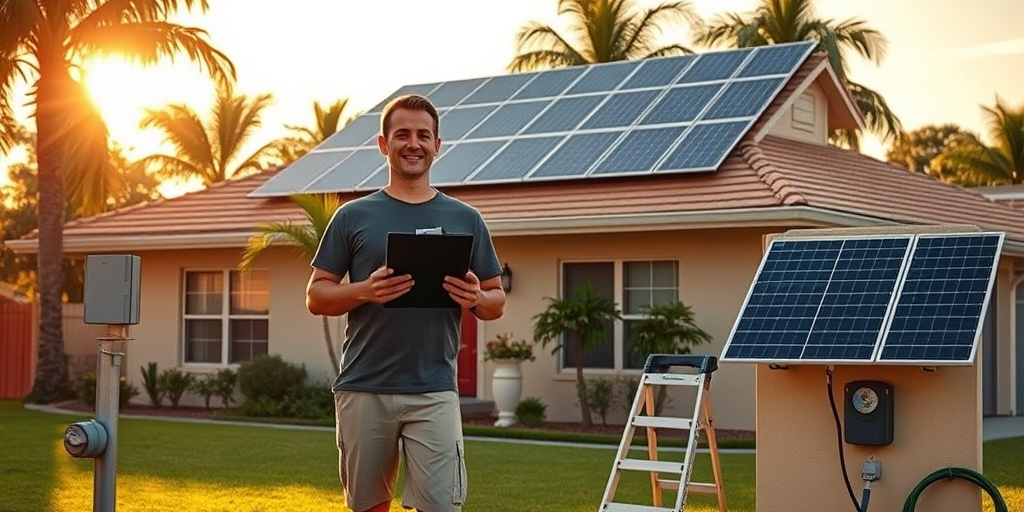
In a state dubbed the “Sunshine State,” it’s no surprise that solar energy is gaining momentum among homeowners. Did you know that by installing solar panels, Florida residents can significantly reduce their electricity bills by up to 50%? Despite this remarkable potential for savings, it’s estimated that only about 5% of households in Florida have made the switch to solar energy (SEIA.org). This leads us to a pivotal question: why aren’t more Florida homeowners embracing solar panel installation now? In 2025, interest in solar power is expected to rise as we face rising energy costs, new solar incentives, and the pressing need for energy independence. The article titled Why Florida Homeowners Should Embrace Solar Panel Installation Now will delve into the untapped benefits that await prospective solar adopters and highlight the urgency behind this choice. We will examine success stories from Floridians who’ve made the leap, practical steps for installation, debunk common myths, explore local-specific advantages, and provide you with the essential knowledge to maximize your solar investment.
Unpacking the Solar Opportunity in Florida
In a climate that boasts more sunshine than most, Florida stands at the forefront of the renewable energy movement. Take the case of Judy and Mark Peterson, a couple living in Kissimmee, who decided to invest in solar panels in late 2024. Coming from a background of high electric bills averaging $280 monthly, they realized that with solar energy, they could cut their expenses drastically. When they saw that the state offered a 26% federal tax credit and various local rebates, their decision was cemented. In just one year after installation, their bill had dropped to an average of $100 a month—allowing them to redirect their savings towards their children’s education. Judy says, “It feels great to not just save money, but to also contribute to a sustainable future.”
To help you inspire similar transformations, let’s dive into practical steps—starting from dreaming of a solar-powered home to enjoying the perks that come with it. Here is a checklist of items you must consider for your solar journey:
- Step 1: Analyze your energy usage. Know your current consumption, average billing cycle, and peak usage times.
- Step 2: Evaluate your roof space and sun exposure. Not every home is suited for solar—understand your roof’s orientation and structural integrity.
- Step 3: Research local solar providers. Find reputable companies that offer comprehensive warranties and proficient installation services.
- Step 4: Understand incentives. Florida homeowners are eligible for federal tax credits and local rebates that can reduce upfront costs substantially.
- Step 5: Plan for the future. Consider options for battery storage that can protect you during outages.
Despite the growing trend, a number of myths about solar panel installation deter homeowners from taking the plunge. Let’s break down some common misconceptions:
- Myth #1: Solar panels are too expensive. In reality, the costs for solar systems have decreased by nearly 70% since 2010, making them accessible for the average homeowner (SolarReviews.com).
- Myth #2: Solar is only cost-effective in sunny states. While we enjoy sunny days, solar panels can generate power even on cloudy days.
- Myth #3: Solar panels require too much maintenance. In fact, solar panels are remarkably durable and usually require little attention aside from occasional cleaning.
- Myth #4: Solar installations take up too much space. Today’s technology offers a variety of options, including solar shingles and dual-use installations that blend into your property elegantly.
- Myth #5: Solar energy doesn’t contribute to the grid. Florida’s net metering policy allows homeowners to sell back excess energy, thus actively supporting the electric grid while saving on costs.
As you can see, there’s a compelling case for solar energy. Beyond financial savings, solar panels provide a clean, renewable energy source—perfectly aligned with Florida’s sunny disposition. Factors such as energy independence in worrying times of rising costs and potential grid instabilities make the decision even more crucial. According to the Florida Public Service Commission, homes utilizing solar power can lead to a cumulative savings of over $263 million by switching away from conventional energy sources (Energy.gov). Let’s examine the technology behind solar systems and policies for an actionable look at how you can navigate solar energy in Florida.
The Technical Mechanics of Going Solar
Today’s advanced solar technology corresponds remarkably with various state policies to create a conducive environment for solar energy. When considering a solar installation, you will come across several components vital to the functioning of a solar system: solar panels, inverters, and batteries.
Solar Panels: These photovoltaic cells convert sunlight into electricity. Depending on your space, old tech or new tech panels will cater to your needs. Understanding panel efficiency ratings is essential as it will affect your overall cost and performance. The latest panels can convert over 22% of sunlight into usable energy (NREL.gov).
Solar Inverters: These devices convert the direct current (DC) power generated by the panels into alternating current (AC) power, which is what your home appliances use. There are several inverter types to consider, such as microinverters or string inverters. Microinverters allow each panel to perform independently, which is beneficial if your roof has varying sun exposure.
Battery Storage: With battery systems, homeowners can store excess energy during the day for use at night or in power outages. As storm-prone Floridians, backup energy storage is essential for maintaining home security and comfort. The batteries are becoming more affordable and have reached a stage where products are efficient and capable of offering several kilowatts.
Alongside the technology, it is paramount to understand Florida’s solar policies aimed at promoting clean energy. The Florida Solar Energy Industries Association outlines numerous state-level incentives, such as the renewable energy property tax exemption, which ensures that homeowners won’t pay higher property taxes due to a solar installation. Every installed watt counts, and each solar panel comes with a host of financial incentives that can help lighten the financial burden that comes with installation.
With a richer understanding of technical components and local rules, we hope to guide you in transitioning into the world of solar energy. So, what’s next for Florida homeowners? Is it time to take that big leap toward impacting your wallet sustainably? In preparation for the next section, let’s consider best practices that will help maximize your solar investment.
5 Expert Solar Installation Tips for 2025
When embarking on your solar journey, it’s crucial to understand that proper installation is key to reaping the full benefits of your investment. Here are five essential tips to ensure that your solar installation goes smoothly and efficiently.
1. Choose a Trusted Installer: Your solar experience largely hinges on the quality of the installation. Research reputable local solar providers, check reviews, and ensure they have the necessary experience. A well-installed system can make the difference in performance and longevity.
2. Don’t Skimp on Panel Placement: Ensure your solar panels are positioned to receive maximum sunlight without obstructions. Problems such as shading from trees or nearby structures can significantly diminish your system’s efficiency over time.
3. Invest in Battery Backup: As climate change leads to more unpredictable weather, having battery backup is crucial. During power outages, having an energy store allows you to maintain essential appliances without incurring additional costs.
4. Monitor Performance Regularly: Understanding how much energy your solar system generates is important. Regular monitoring via apps or inverters alerts you to any problems and helps you adapt to fluctuations in energy usage.
5. Leverage Incentives and Tax Benefits: Take full advantage of state and federal incentives when planning your solar installation. Investigate and document local rebates, loans, and tax credits to make your investment as affordable as possible for you.
With this understanding, you are one step closer to optimizing your solar panel setup and reducing your payback period significantly. So as new technology emerges alongside evolving policies, how can you best prepare for your future as a solar-powered home? Let’s dive deeper into the journey of a hypothetical Florida homeowner to illustrate how the transition unfolds.
A Florida Homeowner’s Solar Journey
Let’s meet Peter, a 42-year-old Orlando resident who decided it was time to invest in solar energy in early 2025. As a father of three, he was increasingly concerned about rising electric bills that exceeded $300 each month. After conducting research about the benefits of going solar, he felt encouraged by the appeals of energy independence and sustainability. Initially skeptical, Peter applied for solar quotes from multiple local providers.
The quotes ranged widely, but with a 30% federal tax credit for solar energy installations, funding wasn’t a barrier. After choosing a provider with thoroughly vetted credentials and warranties, Peter finally decided on a 7.8 kW installation, tailored to his property’s unique set of needs.
Within six months post-installation, Peter began to notice significant changes. He recalls the day he received his first bill that reflected a staggering drop to just $60—a stark contrast to the financial strain he once felt diving into monthly payments. Energized by this change, he took it a step further by investing in battery storage, allowing him to harness excess energy during sunnier periods and maintain energy security for his family during storm seasons.
As a key part of his journey, Peter became an active advocate for solar energy in his community. He routinely shares his experience at local events and has encouraged other families to explore this life-changing technology. The carbon footprint of his household reduced dramatically, providing both environmental benefits and financial relief.
Through Peter’s story, it becomes clear that making the switch to solar energy can not only alleviate financial strain but also empower local families to take control of their energy future. As more Floridians go solar, we are collectively laying the foundation for a more sustainable, resilient future.
Next Steps for Florida Solar Buyers in 2025
If this article has sparked your interest, the next logical step towards switching to solar is to create a detailed action plan. Below are the guiding steps to ensure you transition smoothly into solar energy.
- Step 1: Audit Your Electric Bill: Collect at least 12 months of electricity bills to get an accurate understanding of your average usage.
- Step 2: Consult with a Local Solar Expert: Get in touch with a certified solar consultant from floridaelectricandsolar.com for personalized insight into your specific situation.
- Step 3: Explore Financing Options: Understand loan and lease options available to you and assess which financing plan fits your budget best.
- Step 4: Check Local Permits and Incentives: Review local regulations and incentives that could provide financial relief during installation.
- Step 5: Coordinate Installation: Once all the essential steps are undertaken, schedule your installation with your chosen provider.
As we conclude, it’s important to see this not just as an investment, but as a pivotal shift toward a more sustainable and financially stable future. Solar energy can free you from the fluctuations of traditional utility bills, and it enables you to contribute positively to a healthier planet. By mitigating your carbon footprint, embracing solar installation now helps protect your family’s financial health and contributes to a collective movement toward environmental stewardship.
Don’t wait any longer. Our world is changing; investing in solar today is investing in a brighter future tomorrow. Ready to start your solar journey in 2025? Connect with a certified expert at floridaelectricandsolar.com today.
Related Articles
More insights about Solar Panel

Florida Homeowners: Why Solar Panel Maintenance Is Essential

7 Essential Steps for Solar Panel Installation Success

Expert Insights: Key Factors Influencing Solar Panel Lifespan
Ready to Go Solar?
Have questions about solar energy? Our experts are here to help you make the switch to clean, renewable energy.