
Florida Homeowners: Discover Essential Financing Options for Solar Panel Installation
Share:
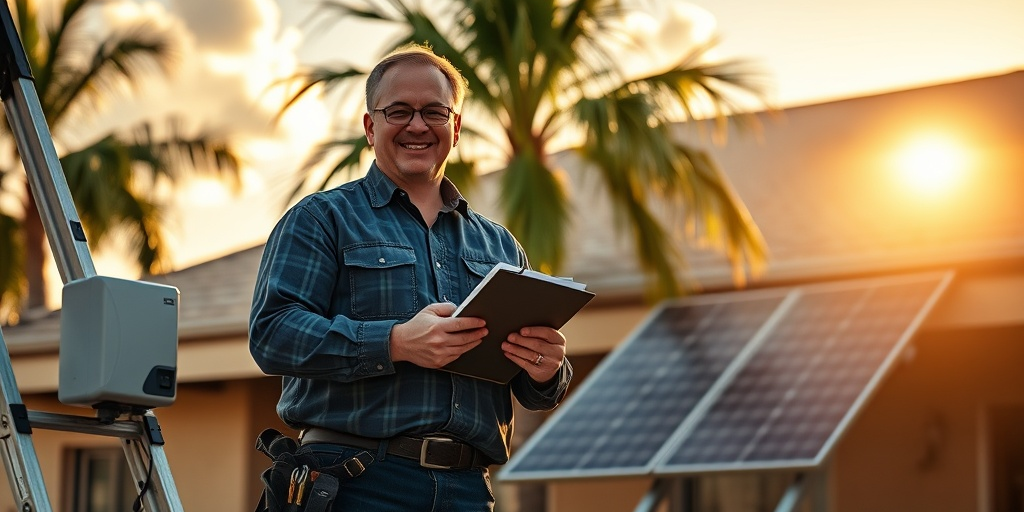
In a world where energy prices are on the rise and climate change looms larger than life, the decision to go solar is no longer just an option—it’s an urgent necessity. A staggering 25% of Florida homeowners have already made the leap to solar energy, and with incentives and tax credits available, the savings can be substantial. But how do you finance this transition wisely? This article, titled Florida Homeowners: Discover Essential Financing Options for Solar Panel Installation, will illuminate the diverse financing pathways available such as loans, leases, and power purchase agreements that maximize your savings and energy efficiency.
With energy costs reaching new heights, it is crucial for residents—particularly those in sunny Florida—to explore solar options that fit their financial profiles. Recent studies show that average electricity bills in Florida projected to increase by 15% by the year 2025 (Energy.gov). This urgency is exacerbated by the recent introduction of new federal solar incentives aimed at boosting solar adoption during this pivotal time. In the upcoming sections, we will explore important financing options, debunk common myths surrounding solar, and equip you with a clear action plan to make your solar journey as seamless as possible.
Let’s dive into the essential financing options available for your solar panel installation!
Understanding Your Solar Financing Options: A Deep Dive
Financing your solar installation doesn’t have to be overwhelming. In fact, understanding the different options can help you make an informed decision that aligns with your financial situation and energy needs. Consider the story of Jane, a Florida homeowner who wanted to reduce her electric bills and contribute to a sustainable future. Jane discovered she could finance her solar energy system through a local credit union, which offered a low-interest solar loan. This was a game-changer, as it allowed her to own her solar system outright, leading to significant long-term savings.
Step 1: Evaluate Your Financial Situation
- Examine your credit score. A higher score often leads to better financing options.
- Calculate your current energy expenses to determine potential savings.
- Consider your budget for upfront payments versus monthly installments.
Step 2: Explore Available Financing Options
- Solar Loans: These allow you to borrow money for the upfront costs of your solar system, usually at a fixed interest rate.
- Power Purchase Agreements (PPAs): With a PPA, you pay for the energy your system produces instead of the system itself, reducing upfront costs.
- Leases: Leasing allows you to use solar panels installed on your property for a fixed monthly price without owning the system.
Step 3: Know Your Local Incentives and Rebates
Florida homeowners can take advantage of several incentives, like the Florida Solar Energy Systems Incentives Program, which offers rebates for homeowners to reduce installation costs (SEIA.org). Federal solar tax credits can also amount to 26% of your system cost as of 2025.
Myth #1: Solar Is Too Expensive
Many homeowners believe they can’t afford solar. This myth is often debunked by the myriad financing options available and the long-term savings potential. In fact, most residential solar installations pay for themselves within 5-10 years due to escalating energy costs and savings on electric bills.
Local Focus: The Florida Solar Landscape
In Florida, over 700,000 homes are already benefitting from solar energy (Florida Solar Energy Center). Given Florida’s high sunshine exposure, the return on investment for solar arrays is often significantly higher than in less sunny states.
Technical Deep-Dive: Understanding Your System
Your solar energy system typically consists of solar panels, inverters, and batteries. High-efficiency panels may come with higher upfront costs but increase your savings long-term. Moreover, inverters convert direct current (DC) energy into alternating current (AC) energy used by your home. With battery options available, you can store excess energy for later use, further optimizing your solar investment.
By understanding these financing avenues, potential homeowners can make informed choices tailored to their financial realities. However, each option comes with its risks and benefits that should be thoughtfully considered. Let’s move on to more specific financing strategies that can help make your solar dream a reality.
Top Financing Strategies You Should Consider
When it comes to solar financing, one size does not fit all. Homeowners should consider strategies that not only fit their budget but also align with their long-term goals. The following options can help maximize your financial benefits while installing solar energy systems.
Loans
Solar loans are an excellent choice for homeowners looking to invest upfront for long-term benefits. By taking a loan, you own your system, which allows you to benefit from solar tax credits and cash incentives. Companies like floridaelectricandsolar.com help facilitate financing for these loans with attractive interest rates, contributing to equity in your home.
Power Purchase Agreements (PPAs)
For those who prefer a low-cost entry, PPAs offer a compelling alternative. With a PPA, you pay for the electricity generated by your system rather than for the panels themselves, significantly reducing upfront costs. Homeowners are often surprised to see how fast they can begin saving while avoiding the initial hefty investment.
Leasing Options
Leasing solar panels is another effective way to adopt solar energy while minimizing initial out-of-pocket costs. While you won’t own the system, installation costs are typically covered by solar companies. However, be mindful that you won’t qualify for tax credits and incentives. Carefully assess lease terms versus direct ownership to find what works best for you.
Small Business Financing
Commercial property owners in Florida can benefit from similar financial models tailored to business utility requirements. Researching incentives available for commercial solar can lead to substantial savings over time, particularly if your business operates with high energy consumption.
Community Solar Initiatives
If you’re unable to install solar panels on your property, community solar initiatives could be your answer. These programs allow multiple homeowners to benefit from shared solar resources, making solar energy accessible without needing to invest in personalized solar panels. Check if your locality offers such programs.
Incorporating these financing strategies into your solar energy decision can help you optimize your investment while ensuring future energy efficiency. But let’s not forget to cover best practices for a successful solar installation!
5 Expert Solar Installation Tips for 2025
Twenty-twenty-five is just around the corner, and with it come new trends and best practices in solar panel installations. Here’s how you can set yourself up for success in your solar journey.
1. Understand Your Energy Needs
Before installing solar panels, analyze your home’s energy use to determine optimal system size. Utilize energy audits to find out where you can save. This will help you choose a system that meets your needs without overpaying.
2. Compare Solar Providers
Do thorough research before selecting a solar provider. Look at reviews, request multiple quotes, and compare warranties. A good provider will offer ongoing support beyond installation, ensuring you have a smooth solar experience.
3. Prioritize System Placement
Panel placement is crucial in maximizing solar energy capture. Choose locations on your roof that receive sunlight most of the day and avoid shaded areas. Consultation with your installer about orientation will also optimize energy production.
4. Stay Informed About State Incentives
Florida has several incentives and rebates for solar installation, which can significantly reduce costs. Stay updated on these incentives as new legislation and programs may emerge, especially in 2025 with evolving energy policies.
5. Monitor Your Solar System
Post-installation, be sure to monitor your system’s performance through online dashboards that track energy production and efficiency. This not only ensures your system is functioning efficiently but also keeps you informed about your energy savings.
Keeping these best practices in mind simplifies your solar journey and guarantees you’re taking full advantage of your investment. Now let’s turn our attention to common misconceptions to ensure you have all the facts straight before making the leap.
Debunking Common Myths About Solar Energy
Despite its numerous benefits, many Florida homeowners hesitate to adopt solar energy due to persistent myths. Let’s debunk some of these myths and shine a light on the truths about solar.
Myth #1: Solar Energy Isn’t Reliable
Some believe solar energy is not sufficiently reliable due to weather conditions, and while performance does vary with sunlight, solar panels can produce energy even on cloudy days. Modern technology also allows for efficient energy storage, so you can use power when the sun isn’t shining.
Myth #2: You Need a Perfect Roof
Many think they need a perfect roof to harness solar energy. While an unobstructed south-facing roof is optimal, you can still install solar arrays if your roof faces east or west. Ground-mounted systems are also viable for homeowners with less-than-perfect rooftops.
Myth #3: Solar Panels Require Too Much Maintenance
This myth often discourages potential solar customers. In reality, solar systems require minimal maintenance. A good cleaning annually and an occasional professional check-up are sufficient to keep your system performing optimally.
Myth #4: Solar Power Is Too Expensive
Many still hold onto the belief that solar systems are price-prohibitive. With a plethora of financing options and state and federal incentives, solar energy has become increasingly affordable, and most systems pay for themselves in less than a decade.
Myth #5: It’s Only for Environmentally-Conscious Consumers
While environmental benefits are a significant draw, solar power appeals to homeowners interested in savings—especially in states where electricity rates rise considerably. With incentives in place, anyone can financially benefit from solar energy.
By debunking these myths, you can approach your solar journey with confidence and clarity. Finally, with all this valuable information at hand, the next step is to create an actionable plan to set your solar journey in motion.
Next Steps for Florida Solar Buyers in 2025
Armed with insights and understanding, you’re now ready to take concrete steps toward installing your solar energy system. Adopt this checklist to streamline your solar transition in 2025.
Step 1: Audit Your Electric Bill
Examine your current electricity expenses to gauge your potential energy savings. Be clear about your monthly and yearly costs, including fluctuations. This exercise will clarify your investment’s return.
Step 2: Research Financing Options
- Explore loans and PPAs to find which option aligns with your financial status.
- Look into state and federal incentives that reduce your overall cost.
- Compare financing offers and choose a provider with favorable terms.
Step 3: Get Multiple Solar Quotes
Reach out to at least three solar providers for quotes. Understand their service model, warranty offerings, and equipment brand—it’s a significant investment. Look for providers with strong local reputations.
Step 4: Choose the Right Installer
Check reviews and relevant certifications for your selected solar installer. Ensure they have experience installing the type of system best suited for your home’s needs.
Step 5: Schedule Your Installation
Once you’ve selected an installer, set a date for installation and prepare your property accordingly. Confirm permits and ensure the installers have access to your roofs.
Preparing for your solar installation can be a significant life change to say the least. Follow these steps, and you’ll be well on your way toward harnessing the sun’s power. With all the information amassed, allow me to summarize why solar is a path worth exploring.
Solar energy has become a viable transition for Florida homeowners, offering numerous financing options tailored to different financial realities. By uncovering the myths and understanding the pathways available, families can maximize their savings and energy efficiency. With the urgency of rising electric costs and incentives to help offset installation costs, making the jump toward solar in 2025 is not just an option; it’s a smart investment for today and tomorrow.
Ready to start your solar journey in 2025? Connect with a certified expert at floridaelectricandsolar.com today.
Related Articles
More insights about Solar Panel

Florida Homeowners: Why Solar Panel Maintenance Is Essential

7 Essential Steps for Solar Panel Installation Success

Expert Insights: Key Factors Influencing Solar Panel Lifespan
Ready to Go Solar?
Have questions about solar energy? Our experts are here to help you make the switch to clean, renewable energy.