
Why Florida Homeowners Should Invest in Solar Panel Installation
Share:
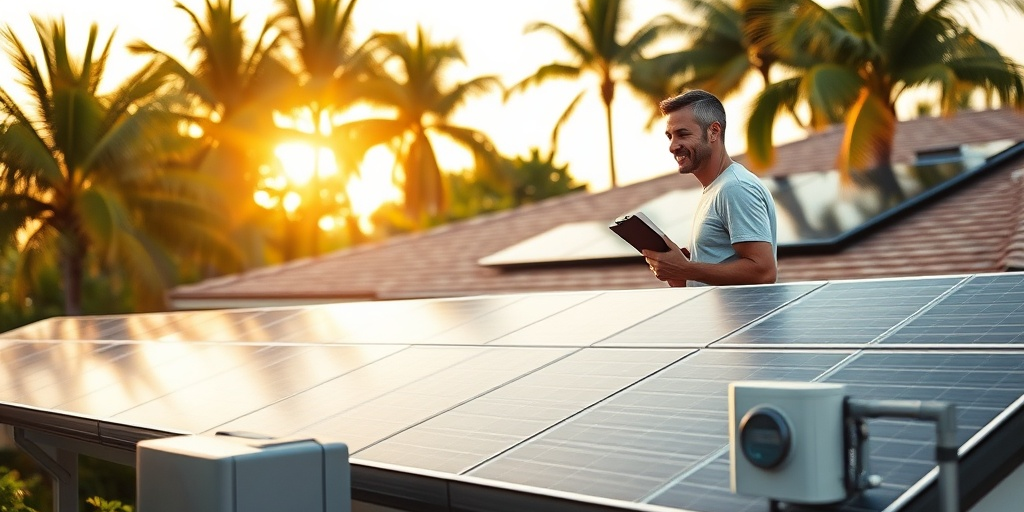
As the sun shines brightly over the Sunshine State, a transformative change is underway for Florida homeowners. Did you know that approximately 80% of Florida’s energy is generated from natural gas, leaving residents vulnerable to rising electricity costs? As energy prices continue to surge, now is the perfect time to explore renewable energy sources. In fact, Florida is ranked third among U.S. states for installed solar capacity, making it an excellent place for homeowners to consider solar energy solutions. This brings us to the topic of today’s post: Why Florida Homeowners Should Invest in Solar Panel Installation.
This decision is more crucial than ever, particularly in 2025, as federal incentives for solar adoption will affect thousands of households and commercial properties across Florida. With the recent 26% federal tax credit remaining in effect until 2025, it’s a golden opportunity for homeowners to achieve significant savings while migrating to clean energy. In this post, we’ll explore five essential sections that highlight the benefits of investing in solar panel installation: a compelling case study of a local homeowner, practical steps to get started, common myths debunked, a local market analysis, and a technical deep dive into the systems involved. Let’s dive in!
Case Study: The Green Family’s Solar Journey
Meet the Greens, a family residing in Tampa, Florida. Like many Floridians, they were concerned about their ever-increasing electricity bills—an average of $150 per month—which weighed heavily on their budget. After doing research, they discovered solar energy as a viable investment and decided to take the plunge in early 2025.
Before their solar panel installation, the Green family’s energy consumption was a constant worry. They realized that traditional energy sources contributed significantly to their high bills and increased carbon footprint. After consulting with Florida Electric & Solar, they learned about the incredible benefits of transitioning to solar power.
Once installed, the solar panels produced enough energy to power their home, drastically reducing their electricity costs to nearly $40 a month. Their savings averaged around $1,300 annually! The initial investment of $15,000 was written off significantly due to the 26% federal tax credit, making it a prudent financial decision. By the end of their first year, not only had they saved money, but they also contributed to a healthier environment for future generations.
As the Greens can attest, investing in solar panel installation is not just about saving money—it’s about taking responsibility for our planet. With Florida’s solar potential ranking at 3rd in the country, the opportunities are abundant. As more Florida homeowners opt for solar solutions, they collectively reduce dependence on traditional energy sources, enhance energy independence, and improve community resilience.
Step-by-Step Solar Installation Checklist
If you’re considering solar panel installation, here’s a straightforward checklist to help you navigate the process:
- Step 1: Audit Your Electric Bill
Start by reviewing any historical bills to identify your average electricity usage. This information will be crucial when determining the size and type of solar system that meets your needs. - Step 2: Research Solar Options
Investigate different types of solar panels, inverters, and battery storage systems. Find out which options best suit your lifestyle and local climate. Florida’s sunny weather makes it a prime candidate for solar technology. - Step 3: Get Multiple Quotes
Contact several reputable solar installers to obtain quotes. Compare the prices and what services are included. A local solar provider can offer in-depth knowledge of Florida-specific policies and incentives. - Step 4: Review Financing Options
Discuss available financing options, including loans, leases, and power purchase agreements (PPAs). Ensure you find a plan that aligns with your financial goals. - Step 5: Schedule Your Installation
Once you’ve selected a provider, schedule your installation. Expect your solar panel installation to be completed in a day or two, depending on the system’s size.
Taking these steps will ensure that your journey to solar energy is smooth and rewarding. Engaging with local installers also allows you to leverage knowledge about Florida’s unique climate and solar policies.
Debunking Common Myths About Solar Energy
Despite the growing popularity of solar power, several myths often deter homeowners in Florida. Below are the most common misconceptions debunked:
- Myth #1: Solar Panels Are Too Expensive
While the upfront costs can seem high, the 26% federal tax credit significantly reduces the final amount. Many homeowners report paying off their systems in under 7 years through savings on electricity bills (SEIA.org). - Myth #2: Solar Panels Do Not Work Well in Cloudy Weather
Florida’s climate is ideal for solar technology, even during cloudy days. Solar panels can still generate power as long as there is daylight, making them effective year-round. - Myth #3: Solar Energy is Just a Fad
On the contrary, solar power is an essential component of the renewable energy sector and continues to grow. The solar industry is projected to add 1 million jobs by 2030 (SEIA.org). - Myth #4: It’s a Hassle to Get Started
Many homeowners have voice concerns about the complexity of going solar. In reality, a reliable solar contractor guides you through every step and takes care of permits and grid connection. - Myth #5: Solar Panels Decrease Property Value
Homeowners with solar installations generally see a 4% increase in their property’s value, making it an attractive option for future buyers (SolarReviews.com).
Understanding these myths empowers homeowners to make informed decisions about solar energy in Florida. As more people realize the long-term financial and environmental benefits, the willingness to embrace solar power will continue to grow.
The Solar Landscape in Florida: Local Focus
Florida is not just a sunny state; it is a leader in solar power in the United States. The state has installed over 6.4 gigawatts (GW) of solar capacity, placing it third behind California and Texas (NREL.gov). This remarkable growth reflects apt state incentives, coupled with technological advancements in solar energy systems.
Locally, many incentives facilitate solar adoption:
- Florida’s Net Metering Policy: Homeowners can receive credits for excess energy their solar panels generate and send back to the grid, effectively reducing their future electric bills.
- Property Tax Exemptions: Solar equipment installed on a property is exempt from property taxes, allowing homeowners to profit without financial penalties.
- Rebate Programs: Various local utilities offer rebate programs to further lower upfront costs for solar installations. These programs can significantly boost affordability and adoption rates.
This local focus on solar energy showcases Florida’s robust commitment to renewable energy and presents a compelling case for homeowners to take advantage of available resources. Partnering with experienced solar providers ensures that homeowners are well-informed about the incentives that uniquely benefit Floridians.
Technical Deep-Dive: Understanding Solar Energy Systems
Transitioning to solar energy involves understanding the components of a solar power system. Here’s a technical breakdown of the elements involved:
- Solar Panels: The heart of a solar system, these photovoltaic panels convert sunlight into electricity. Modern panels have efficiency ratings between 15% to 22% and can be installed on rooftops or ground mounts.
- Inverters: These devices convert the direct current (DC) electricity produced by solar panels into alternating current (AC), which is what most household appliances use.
- Battery Storage: Homeowners can store excess energy generated during sunny days for use during peak hours or in case of blackouts. Battery systems allow for energy independence and savings on electric bills.
- Monitoring Systems: Real-time monitoring systems track energy production and consumption. This transparency helps homeowners optimize their solar energy use efficiently.
Understanding these components can assist homeowners in making informed decisions about their solar installations. Thus, by opting for solar power, increased energy independence and long-term savings await Florida homeowners.
Next Steps for Florida Solar Buyers in 2025
As we conclude our in-depth look at solar power opportunities for Florida homeowners, here’s a straightforward action plan to get started:
- Evaluate Your Home’s Roof: Assess whether your roof is suitable for solar panel installation. Factors include roof orientation, shading from nearby trees, and overall structural integrity.
- Investigate Local Installers: Search for reputable solar installers who understand Florida’s unique market dynamics. Engage in consultations and obtain multiple quotes to ensure clarity in pricing and services offered.
- Understand Your Energy Needs: Determine how much electricity you use and if your consumption fluctuates seasonally. This will help you size a solar system that most effectively meets your demands.
- Familiarize Yourself with Financing Options: Explore available financing options to secure the best terms for payment. Investing in solar is a long-term commitment, and the right financing can accelerate your return on investment.
- Engage with Local Incentives: Familiarize yourself with local and state incentives, tax credits, and rebate programs that can significantly improve affordability and payback time.
By following these steps, you are ushering in a new era of energy independence and sustainability for your home in Florida. Engaging with trusted solar providers, such as Florida Electric & Solar, guarantees that you receive thoughtful guidance tailored to your unique situation.
Conclusion
As Florida homeowners, the opportunity to invest in solar panel installation is not just a benefit—it’s a responsibility to future generations. With rising energy costs, pressing climate change challenges, and numerous financial incentives, now is the time to transition to renewable energy. The journey from your initial inquiry to enjoying the rewards of solar power can be straightforward and fulfilling.
We’ve explored the remarkable story of the Green family, debunked common myths, discussed practical steps, and examined Florida-specific policies. The financial and environmental imperatives have never been clearer. Joining the ranks of solar-powered households means reducing long-term energy costs and contributing to a sustainable future.
Ready to start your solar journey in 2025? Connect with a certified expert at floridaelectricandsolar.com today.
Related Articles
More insights about Solar Panel

Florida Homeowners: Why Solar Panel Maintenance Is Essential

7 Essential Steps for Solar Panel Installation Success

Expert Insights: Key Factors Influencing Solar Panel Lifespan
Ready to Go Solar?
Have questions about solar energy? Our experts are here to help you make the switch to clean, renewable energy.