
Florida Homeowners Need to Know About Solar Panel Installation Options
Share:
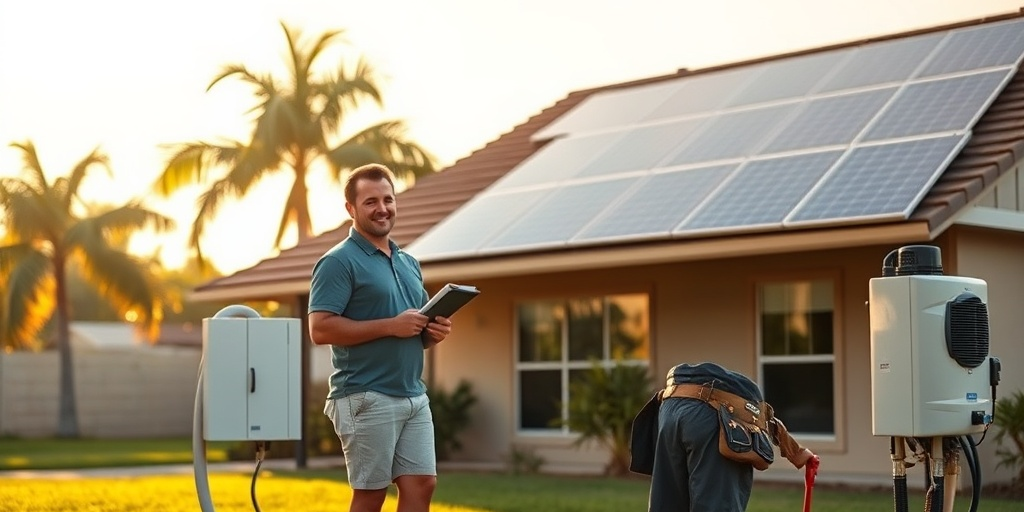
In the state of Florida, where the sun shines bright over our beautiful homes and landscapes, a significant shift is taking place in the energy landscape. According to a recent study, Florida ranks third in the nation for new solar installations, confirming that an astonishing 2.5 million rooftops are suitable for solar panels (SEIA.org). With rapid advancements in solar technology, many homeowners are now asking themselves: “Is solar power the right choice for my home?” As we dive into 2025, there is an urgent need for **Florida homeowners to know about solar panel installation options** to harness these sunny days for energy savings and potentially elevate their property value. Did you know that solar energy could slash electric bills by up to 80%? The financial incentives, paired with rising energy costs, make now the perfect moment to explore your options (Florida Solar Energy Center).
This blog post will provide an in-depth look at the installation options available for Florida homeowners venturing into solar energy. We will explore five key sections, starting with a compelling case study of a local household that transformed its energy consumption, followed by a comprehensive checklist for prospective buyers. We’ll also debunk common myths surrounding solar installations, focus on specific local advantages, and dive deeply into the technical aspects of solar systems. Finally, we will equip you with clear actionable steps to navigate your solar journey. Let’s jump in!
Understanding Solar Panel Installation Options in Florida
Let’s begin by looking at a case study that illustrates the powerful transformation solar energy can have for Florida homeowners. Meet the Johnson family from Cape Coral. The Johnsons, like many residents in this sun-soaked city, were facing skyrocketing electricity bills that reached nearly $300 a month. Constantly searching for ways to cut costs, they turned to the power of the sun. After researching various solar panel installation options, they decided to consult with a local solar company, which conducted a detailed analysis of their energy needs and the available incentives.
Step 1: Initial Consultation
After the initial consultation, the solar company recommended a hybrid solar power system—integrating solar panels with battery storage to optimize energy usage. With the Information prepared, they learned about the federal investment tax credit (ITC) allowing them to deduct 26% of installation costs from their federal taxes (NREL.gov).
Step 2: System Design
The company designed a solar panel array tailored specifically for their roof orientation and energy consumption profile.
Step 3: Installation
The installation took just a few days, transforming their rooftop into a modern solar array.
Step 4: Monitor Performance
With a real-time energy monitoring system in place, they could track their solar production, empowering them to maximize their energy savings. In no time, the Johnsons saw their monthly electricity bill drop to an incredible $40, showcasing a savings of 87%!
Step 5: Prepare for the Future
With energy costs continuing to rise, their investment not only paid off but also increased the property value by an average of $15,000—one of the many benefits of going solar in Florida.
Now that you’ve seen how solar energy made a significant impact for the Johnson family, let’s consider essential steps for anyone considering solar panel installations. Here’s a checklist that can help make your transition to solar smooth and effective.
Essential Checklist for Your Solar Installation
The process of installing solar panels can seem daunting; however, breaking it down into manageable steps can alleviate your concerns. Here’s a comprehensive checklist for Florida homeowners considering solar power:
- Step 1: Understand Your Energy Needs
Analyze your utility bills over the past year to determine your peak usage. This helps in sizing the correct solar system. - Step 2: Research Local Incentives
Familiarize yourself with state-specific tax incentives and utility rebates for solar installations. In Florida, programs like the Solar Energy Loan Program can significantly reduce overall costs. - Step 3: Choose the Right Solar System Type
Opt for a system that fits your consumption pattern—whether that’s a grid-tied system, an off-grid system, or a hybrid model. - Step 4: Find a Reputable Installer
Look for certified local solar companies like floridaelectricandsolar.com that offer a combination of quality products and trustworthy service. - Step 5: Plan for Maintenance
Consider how you will maintain the solar system over time. Many systems are designed to require minimal upkeep, but periodic checks can enhance efficiency.
Each of these checkpoints ensures that your journey into solar energy is informed and effective. Next, let’s tackle some of the myths surrounding solar installations that might be holding you back from making this beneficial change.
Myth-Busting Common Misconceptions About Solar Energy
Despite the growing popularity of solar energy, many misconceptions continue to hinder homeowners from making the switch. Let’s debunk some of the most common myths about solar panel installations:
- Myth #1: Solar Panels Are Too Expensive
While upfront costs can be significant, numerous financial incentives and long-term savings on energy bills often outweigh initial investments. - Myth #2: Solar Panels Don’t Work in Overcast Weather
Solar panels can still generate electricity on cloudy days, and storage technology allows you to harness energy even when the sun isn’t shining. - Myth #3: Solar Energy Is Only for Large Homes
Homes of all sizes can benefit from solar energy. Modular systems can be implemented to fit anywhere from a small apartment to expansive estates. - Myth #4: Solar Panel Installation Requires Extensive Home Modifications
Most solar installations do not require extensive renovations, making the transition simpler than you may think. Companies usually handle installations without major structural changes. - Myth #5: You Don’t Own the Electricity You Generate
When you install a solar panel system, you are generating your own electricity and significantly reducing reliance on conventional grid power.
Debunking these myths helps to clarify the benefits of adopting solar energy systems, which is particularly pertinent in Florida where sunshine abundance presents a unique advantage. Now, let’s explore specific local considerations that further solidify the case for going solar.
Why Florida Homeowners Have Unique Advantage with Solar
Florida’s sunny climate naturally positions it as one of the most advantageous states for solar energy. The numbers speak for themselves, with an average of over 237 sunny days per year, and a total solar potential reaching over 31,000 GWh (SolarReviews.com). Here’s why Florida homeowners have unique advantages when it comes to solar energy:
- Net Metering Benefits:
Florida’s net metering allows homeowners with solar panels to receive credit for excess energy generated and fed back into the grid. This significantly enhances the financial return on your investment. - Residential Solar Rebates:
Local utility companies often offer rebates to help offset installation costs, making solar power more accessible for many families. - Resale Value Boost:
Homes with solar power systems tend to sell faster and at higher prices than those without, ensuring that investment is not only economical but also a value-adding upgrade. - Energy Independence:
Increasingly, Floridians face rising energy prices. By going solar, you’re taking control of your energy future, insulating against price spikes from utility providers. - Investment Protection:
With unprecedented economic changes, solar systems provide an effective shield against inflation and offer stable long-term savings on energy costs.
Beyond these benefits, it’s crucial to understand the technical aspects of solar systems to navigate your options effectively. Let’s dive into the core technical elements that determine the quality and efficiency of solar installations.
A Technical Deep Dive into Solar Installations
Solar installations might seem daunting from a technical perspective, but understanding a few key components can go a long way toward optimizing your system:
- Solar Panels:
The heart of any solar system, panels convert sunlight into electricity. Monocrystalline panels are known for their efficiency and longevity, while polycrystalline panels offer more cost-effective alternatives. - Inverters:
Inverters convert the direct current (DC) generated by your panels into alternating current (AC), which can be used within your home. Microinverters and string inverters both have their pros and cons, depending on your system design. - Batteries:
Energy storage allows homeowners to save excess energy generated during the day for use at night or during cloudy days. With the growing popularity of battery storage systems, options such as the Tesla Powerwall have gained traction. - Monitoring Systems:
Monitoring allows you to track your solar energy production and consumption in real-time, enabling you to make informed decisions and adjustments to maximize use. - Installation Practices:
Proper installation ensures maximum efficiency and longevity of your solar system. Choosing experienced and certified installers can prevent costly errors.
With this technical insight, you are better prepared to engage with potential installers and make informed choices. Now, it’s time to focus on your next steps for harnessing solar energy effectively in 2025.
Next Steps for Florida Solar Buyers in 2025
Embarking on your solar journey can seem challenging, but approaching it strategically will make for a smoother experience. Below are actionable steps to consider:
- Step 1: Audit Your Electric Bill
Analyze your utility costs over the past year to get an accurate necessity for your solar energy needs. Noting trends may help refine your energy profile. - Step 2: Research Local Installers
Seek out reputable solar installation companies in Florida. Look for reviews and testimonials from other homeowners who have made the switch. - Step 3: Understand Financing Options
Explore various financing options, including loans, leases, and power purchase agreements (PPAs), ensuring a financial plan aligns with your budget. - Step 4: Schedule a Site Assessment
A certified installer will conduct a comprehensive site assessment, evaluating the roof’s suitability for solar, shading issues, and other factors vital to your installation. - Step 5: Commit and Install!
Once you choose your ideal system and installer, complete the agreement and watch your home transform as the installation unfolds! Be sure to stay engaged in the monitoring process for optimal performance.
By following these steps, Florida homeowners can make informed decisions regarding solar panel installations, capitalizing on the endless benefits offered through sustainable energy solutions.
In conclusion, the journey towards solar energy is not just an advantage but a necessity for Florida homeowners in 2025. As illustrated through our case studies and personal stories, families like the Johnsons have significantly reduced their electric bills while enhancing their home’s value. With rising energy costs and increasing environmental concerns, making the leap to solar power can not only secure your future but also pave the way towards energy independence. Remember, taking action now can save you money, promote sustainability, and create a legacy for future generations.
Ready to start your solar journey in 2025? Connect with a certified expert at floridaelectricandsolar.com today.
Related Articles
More insights about Solar Panel

Florida Homeowners: Why Solar Panel Maintenance Is Essential

7 Essential Steps for Solar Panel Installation Success

Expert Insights: Key Factors Influencing Solar Panel Lifespan
Ready to Go Solar?
Have questions about solar energy? Our experts are here to help you make the switch to clean, renewable energy.