
What Florida Homeowners Should Know About Solar Panel Lifespan
Share:
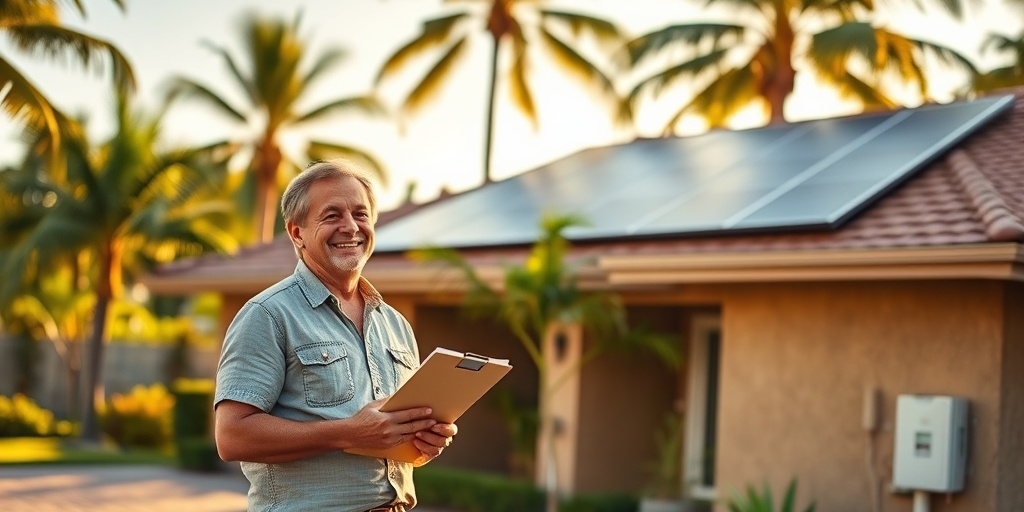
As a Florida homeowner, the prospect of transitioning to solar power can feel like a confusing crossroads. Did you know that the average lifespan of solar panels is around 25 to 30 years? Or that well-maintained panels can even last beyond that, providing an excellent return on investment? In fact, solar power adoption in the Sunshine State is projected to continue on an upward trend, thanks to both rising electricity costs and enhancements in technology and policy. This article, titled What Florida Homeowners Should Know About Solar Panel Lifespan, aims to demystify the lifespan of solar panels and how this impacts your investment. The need for understanding solar panel longevity is particularly urgent in 2025, as Florida homeowners will have new incentives and increased scrutiny on energy efficiency in their communities.
Throughout this blog, we will explore five key sections to guide you in your solar journey:
- A Case Study of Solar Success in Florida
- Checklist for Maximizing Your Solar Investment
- Common Myths About Solar Lifespan Debunked
- Florida-Specific Considerations for Solar Panel Maintenance
- A Deep Dive into Technical Aspects of Solar Longevity
Ready to unravel the complexities surrounding your solar investment? Let’s dive in!
The Lifespan of Solar Panels: A Florida Homeowner’s Case Study
Meet Maria, a Florida homeowner who embraced solar energy three years ago. Living in Orlando, she constantly found her electricity bills eating into her family’s budget. Given that electricity rates in Florida can average about 10.54 cents per kilowatt-hour (kWh), Maria sought a solution. After researching, she discovered that the average solar panel lifespan offers immense value. In her quest, she found that high-efficiency panels, like those manufactured by SunPower or LG, could last up to 40 years with optimal maintenance (SEIA.org).
Maria decided to install a 6 kW solar panel system, which she learned could produce approximately 8,000 kWh each year. The initial investment, while significant, would save her family around $1,200 annually on electricity. After exploring her financing options, including qualifying for the federal solar tax credit and state rebates, Maria was able to reduce her upfront costs significantly.
Like many homeowners, Maria had questions about the longevity of her investment. Using the following checklist can help prospective solar owners gauge their understanding:
- Choose Quality Panels: Look for warranties extending for 25 years.
- Regular Maintenance: Clean panels biannually to prevent degradation from dust and debris.
- Check Inverters: Ensure inverters are functioning—the average lifespan is 5 to 10 years (SolarReviews.com).
- Monitoring Performance: Invest in monitoring systems to track output and identify issues proactively.
- Adhere to Local Regulations: Stay updated on Florida-specific solar incentives and policies (Energy.gov).
Through her research, Maria also dispelled numerous myths that were preventing others from making the leap to solar. Some assumed that solar panels would require frequent replacement, which is far from the truth when proper maintenance is observed. In comparison to other renewable resources like wind or biomass, solar energy stands out because of its adaptability, efficiency, and eco-friendliness.
Furthermore, data from the National Renewable Energy Laboratory indicates that installed solar capacity in Florida has been rapidly growing, setting a prime timeline for potential adopters. In 2025, Florida is expected to boast a solar capacity increase of about 30% from 2022 levels—all the more reason for homeowners like Maria to consider becoming part of this growing network.
Your Checklist for Maximizing Solar Panel Longevity
Maximizing the lifespan of your solar energy investment is not only about choosing the right panels. It requires a strategic approach tailored to the specifics of your situation.
- Step 1: Conduct an energy audit of your home. Identify areas where you can decrease demand. Utilities often offer programs to help homeowners find energy-saving solutions.
- Step 2: Investigate solar financing options. Solar loans and leases can dramatically increase accessibility and affordability.
- Step 3: Review Florida’s net metering policies. Being aware of how excess energy credits work can maximize your financial savings.
- Step 4: Schedule regular professional maintenance. Technicians should inspect connections and evaluate overall performance at least once a year.
- Step 5: Stay informed on technological advancements. Innovations in battery storage and inverter technologies can enhance the functionality of your system.
By actively engaging in these practices, you can ensure that your solar investment remains effective and efficient well into the future. For Florida homeowners, maintaining best practices also means taking full advantage of state and local programs designed to enhance solar performance. For dependable information on these topics, check out floridaelectricandsolar.com.
Debunking Solar Panel Lifespan Myths
As the solar industry grows, so too does the number of myths and misconceptions surrounding it. Let’s dispel some of the most common misunderstandings regarding the lifespan of solar panels:
- Myth #1: Solar panels must be replaced every 10 years.
- Myth #2: Solar panels store energy like batteries.
- Myth #3: Solar panels perform poorly in Florida’s heat.
- Myth #4: All solar panels have the same warranty.
- Myth #5: If my panels malfunction, it’s too costly to repair.
In reality, most solar panels are designed to last 25 years or more, and many continue to operate effectively beyond that time period, especially with proper maintenance (NREL.gov).
Simply put, solar panels generate electricity. Batteries store excess energy for later use. Understanding these differences helps clarify your energy options.
While high temperatures can reduce efficiency slightly, solar panels are designed specifically to withstand Florida’s climate. In fact, the increased sunlight boosts energy production!
Panels vary widely in terms of quality and warranty. Investing in premium panels can yield better performance over time.
Many components, including inverters and connectors, can be replaced or repaired. Moreover, insurance may cover damages, enhancing affordability.
Debunking these myths allows homeowners to approach solar energy with a clear mind. Further clarity can come from learning about local programs or incentives that could benefit Florida residents, such as the Property Assessed Clean Energy (PACE) financing program aimed at making solar installations more affordable.
Florida-Specific Considerations for Solar Panel Maintenance
For solar panel longevity, understanding Florida’s unique climate and regulations is essential. In addition to the hot, humid weather, storms and hurricanes pose specific challenges. Therefore, regular maintenance is crucial to ensure efficiency and safety.
- Humidity and Corrosion: Coastal areas face increased risks from salty air. Use corrosion-resistant materials to enhance lifespan.
- Debris and Dust: With Florida’s frequent rain, debris can accumulate. Keeping panels clean is vital for optimal energy production.
- Hurricane Preparedness: Proper installation techniques will ensure that panels can withstand Florida’s storm conditions. Verify that your installation complies with state building codes.
- State Incentives: Florida offers various tax credits and rebates. Engaging with local experts can help you maximize these benefits.
By addressing these Florida-specific considerations, homeowners can prolong the life of their solar panels while enjoying the substantial savings and benefits that come with solar energy. The key lies in building a relationship with local solar experts who can help navigate the technical and regulatory landscape—you can learn more about those options at floridaelectricandsolar.com.
A Deep Dive into Technical Aspects of Solar Longevity
Understanding the technology behind solar panels is paramount to fully appreciate their longevity. With several components to consider, including the type of panels, inverters, and battery systems, each aspect contributes to the overall efficacy of your solar energy system.
- Solar Panels: Photovoltaic (PV) panels commonly have monocrystalline, polycrystalline, or thin-film technologies. Monocrystalline often provides the best longevity and efficiency ratings.
- Inverters: They convert the generated direct current (DC) electricity into usable alternating current (AC) electricity. Quality inverters can last 5-10 years and may require replacement midpoint through the solar panel lifecycle (DSIREUSA.org).
- Battery Storage: Adding battery storage can increase the efficiency of your solar investment. Lithium-ion batteries typically last 10-15 years.
- Your Electric Grid: Being interconnected to the grid provides backup during low solar production times, smoothing out fluctuations.
By focusing on these technical aspects, Florida homeowners can make informed decisions about their solar investments and maintain them efficiently. Understanding how each component interacts plays a crucial role in maximizing performance and prolonging lifespan. Armed with this knowledge, you are one step closer to ownership of cleaner energy.
Next Steps for Florida Solar Buyers in 2025
Your path toward solar energy can be made simpler by following these actionable next steps:
- Step 1: Audit Your Electric Bill. Review your bills to determine current energy costs and identify areas where solar savings can be maximized. This helps you evaluate potential savings.
- Step 2: Research Local Solar Providers. Engage with reputable companies offering installations and services tailored for Florida’s climate, understanding their warranties and durability metrics.
- Step 3: Schedule Consultations. Engage with professionals to discuss your home’s solar potential and financing options, ensuring they address your specific needs.
- Step 4: Explore Incentives and Rebates. Explore your options for local and federal incentives, ensuring you maximize financial savings during your buying journey.
- Step 5: Commit to Continuous Learning. Stay updated on evolving technology and local legislation, participating in community forums or workshops focused on solar energy.
Having these actionable steps aids Florida homeowners in making informed decisions that increase the likelihood of a satisfying and sustainable solar investment. By partnering with professionals from floridaelectricandsolar.com, you can ensure your journey toward solar energy is seamless and fruitful.
Conclusion
You’ve embarked on a comprehensive exploration regarding solar panel lifespan and what Florida homeowners need to know. By following Maria’s case study, understanding how to maximize solar longevity, debunking myths, navigating Florida-specific considerations, and delving deep into technical aspects, you are now better prepared to make a confident and sound decision. The urgency to adopt solar energy in 2025 is clearer than ever, with rising electricity prices and substantial incentives fueling the drive for homeowners.
Transitioning to solar not only brings financial savings but also contributes to a more sustainable future for you and your family. As you consider your options, remember that action today can lead to empowering tomorrow through energy independence.
Ready to start your solar journey in 2025? Connect with a certified expert at floridaelectricandsolar.com today.
Related Articles
More insights about Solar Panel

Florida Homeowners: Why Solar Panel Maintenance Is Essential

7 Essential Steps for Solar Panel Installation Success

Expert Insights: Key Factors Influencing Solar Panel Lifespan
Ready to Go Solar?
Have questions about solar energy? Our experts are here to help you make the switch to clean, renewable energy.