
What Florida Homeowners Should Know About Solar Panel Lifespan
Share:
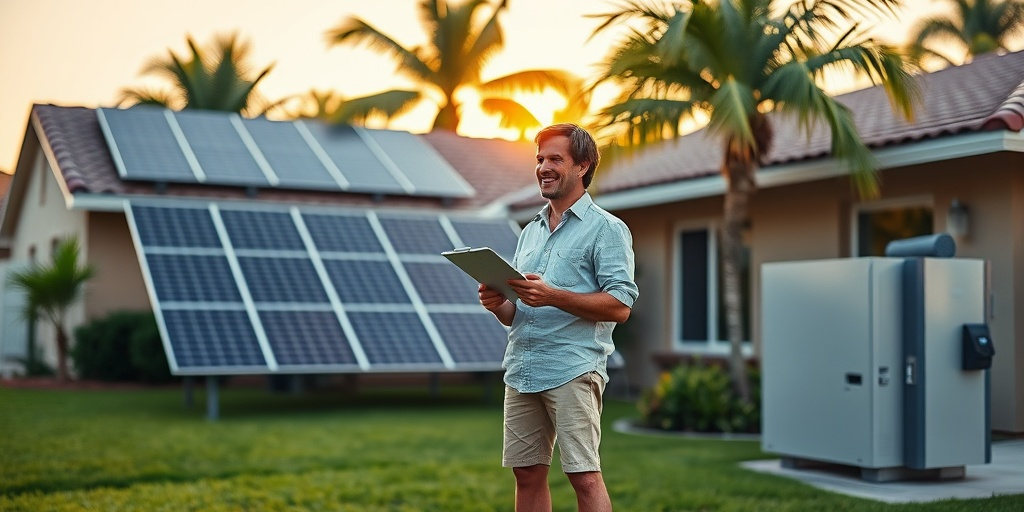
In a world where energy prices continue to skyrocket, Florida homeowners are seeking sustainable solutions that won’t just lighten their environmental footprint but also ease their wallets. A remarkable statistic from the Solar Energy Industries Association tells us that the average residential solar system can save homeowners over $50,000 on electric bills over its lifetime (SEIA.org). In a sunny state like Florida, these savings can amplify, making solar a smart choice for property owners eyeing a long-term investment. But here’s the big question: What should Florida homeowners know about solar panel lifespan? This question isn’t just important to know—it’s urgent in 2025, as rising energy costs and exciting new incentives create a perfect storm for solar investment.
The article titled What Florida Homeowners Should Know About Solar Panel Lifespan is here to guide you through maximizing your solar investment while ensuring lasting benefits. In the sections to follow, we’ll explore a homeowner’s journey, a checklist for making informed decisions, debunk common myths surrounding solar panels, and delve into technical details on how these systems work. Lastly, we’ll break down steps to take as you consider adding solar power to your home. With knowledge and insight, let’s illuminate the path to a brighter, more sustainable future for Florida homeowners.
Solar Panel Lifespan: What Every Florida Homeowner Should Understand
The lifespan of solar panels is a common concern, especially for those new to this technology. A captivating case study involves Maria, a homeowner in Tampa who decided to invest in solar panels in early 2023. Initially hesitant, she spent weeks researching before reaching out to a local solar provider. Maria learned that most solar panels last between 25 to 30 years, with manufacturers typically offering warranties for at least 25 years (NREL.gov). After careful consideration, she made the leap. Fast forward to 2025, Maria has not only slashed her electric bill but has also significantly reduced her carbon footprint—something her children commend her for.
As Maria’s story illustrates, understanding the longevity of solar panels aids in maximizing your investment. Here’s a checklist to ensure you’re making the smartest decisions:
- Research Solar Brands and Warranties – Different manufacturers offer varying quality and lifespan. Look for panels with 25-year warranties in particular.
- Consider Installation Quality – The lifespan of your solar system is also dependent on the installation quality. Choose reputable installer companies.
- Evaluate Maintenance Requirements – Although solar panels often require minimal maintenance, keeping them clean and monitored is essential for optimal performance.
- Assess Local Sunshine Hours – Florida has phenomenal sunshine, which positively impacts production rates and ensures a longer effective panel lifespan.
- Stay Informed on New Technology – As the industry evolves, new technology may offer even longer-lasting panels or improved systems.
Now, one of the most prevalent myths surrounding solar energy is that solar panels become inefficient as they age. Myth #1 simplifies this misunderstanding with data: while solar panels can indeed lose efficiency, the typical degradation rate is about 0.5% per year (Energy.gov). After 25 years, your panels may still produce around 75% of their original output. In hot, sunny states like Florida, this output might actually contribute positively to your return on investment.
Local statistics support this. It is reported that Florida leads the nation in solar capacity growth, with total installed capacity exceeding 5,000 megawatts to date (SolarReviews.com). Not only can homeowners feel good about their decision, but there are also good reasons to invest: local incentives aim to make these systems more accessible, ensuring that the upfront costs remain manageable despite the long-term benefits.
In this rapidly evolving marketplace for solar technology, prospective buyers must keep in mind that understanding local conditions, policies, and system components are vital. As technology advances, so does the complexity of systems. Many homeowners opt for battery storage to ensure they use generated power efficiently. The combination of solar panels, batteries, and smart home technology marks a thrilling future for clean energy.
Empowering Decisions: A Solar Checklist for 2025
To help Florida homeowners navigate the exciting opportunities that solar energy presents, we created an empowering checklist. By focusing on essential aspects of solar investment, you can make informed decisions that lead to success.
- Step 1: Analyze Your Energy Consumption – Review your electric bill for the past year. Note trends and peak usage times to determine how much solar energy you’ll need.
- Step 2: Conduct a Solar Feasibility Study – Engage a reputable solar provider to conduct a comprehensive site assessment. This is crucial for determining how much sunlight your roof receives year-round.
- Step 3: Investigate Incentives and Rebates – Research state and federal incentives available for solar installations. Florida offers multiple benefits that can greatly reduce upfront costs.
- Step 4: Choose the Right Equipment – Whether you’re opting for standard panels or the latest high-efficiency models, ensure you understand your options and their implications for lifespan and performance.
- Step 5: Monitor Your System Regularly – Once installed, regular monitoring will help you maintain optimal performance and discover any potential issues before they escalate.
This checklist serves as a practical guide to assure the longevity and efficiency of your solar energy system. Remember, research and knowledge are your best friends in this journey. For more insights tailored to Florida homeowners, visit floridaelectricandsolar.com.
Common Myths and Misunderstandings about Solar Panels
As the solar energy market continues to grow, various misconceptions perpetuate about solar panel technology. Here, we debunk some of the most prevalent myths that might stall your decision-making process.
Myth #1: Solar panels don’t work well in cloudy or rainy weather.
Truth: While direct sunlight is optimal, solar panels can still generate electricity on cloudy days. In fact, advanced technologies are designed to perform efficiently even in less-than-ideal weather conditions (Energy.gov).
Myth #2: Solar panel maintenance is too labor-intensive.
Truth: In reality, solar panels require minimal maintenance, mainly due to their durability and often self-cleaning nature. Regular inspections and ensuring they’re free of debris are typically all that’s required.
Myth #3: The installation process is tedious and disruptive.
Truth: Most installations can be completed in a single day, especially with experienced professionals handling the job. Florida’s solar providers are adept at keeping inconveniences to a minimum.
Myth #4: Solar energy is too expensive for the average homeowner.
Truth: With critical incentives and financing options, solar energy systems can be accessible for many budgets. Plus, long-term savings on energy bills can offset initial costs (SEIA.org).
Myth #5: Once installed, your solar system doesn’t need any attention.
Truth: While solar systems are low-maintenance, regular monitoring is necessary to ensure peak performance, especially as technology continues to advance.
In Florida, a state favored for its abundant sunshine, residents are in a prime position to leverage solar energy effectively. Armed with this knowledge, you can make informed decisions that align with your long-term energy savings.
Putting It All Together: The Florida Solar Landscape
Imagine a fictional homeowner named John, who lives in Jacksonville. John spent most of his 2023 researching solar energy, measuring the available space on his roof, and keeping track of the rising electricity bills. With an average annual saving of $1,400 after installing solar panels, John couldn’t help but feel a sense of empowerment over his energy costs.
He was surprised to learn how solar system capacity can typically exceed 300 to 400 watts per panel, depending on the brand and technology used. Knowing that Florida residents consume about 1,200 kilowatt-hours per month, John understood how strategic solar investment could offset most of that. He absorbed the latest trends, which suggested that high-efficiency solar panels were becoming increasingly affordable due to industry advancements.
This year, grateful for having switched to solar energy three years ago, John decided to invest in battery storage to further maximize his efficiency. Here are a few factors he contemplated along his journey:
- Local solar incentives from the state of Florida significantly reduced his installation costs.
- Regular equipment monitoring services were crucial for ensuring continued efficiency.
- His family’s carbon footprint was effectively reduced, leading to added positive conversations with his children about sustainability.
- Changing electrical habits also helped so that the family could utilize their solar system at peak efficiency.
John’s narrative exemplifies how knowledge, patience, and forward-thinking can contribute to meaningful energy savings. It’s compelling data and stories like John’s that showcase how solar technology advances and evolves—the perfect motivation for other homeowners to make the shift.
Next Steps for Florida Solar Buyers in 2025
Taking the plunge into solar energy doesn’t need to feel overwhelming. Following a clear action plan will help reduce friction, ensuring a smoother transition to solar-powered living. Here’s a checklist with actionable steps to guide you.
- Step 1: Audit Your Electric Bill – Understand your energy consumption and analyze previous bills to estimate how much of that energy you can offset with solar.
- Step 2: Seek Local Solar Quotes – Contact several local providers to compare offers, warranties, and the specific technologies they use. Make sure to ask about expertise in systems suitable for your property.
- Step 3: Review Installation Contracts – Read through contracts carefully, paying attention to fine details like warranties, ongoing maintenance policies, and eligibility for rebates.
- Step 4: Confirm Local Regulations – Ensure you’re familiar with local laws regarding permits, regulations, and interconnection requirements.
- Step 5: Schedule Your Installation – Once you have gathered all the necessary information and selected your provider, get your installation on the calendar and prepare for the transformation!
This roadmap leads you through the pivotal steps for responsibly investing in solar energy in 2025. For any further assistance and personalized guidance, visit floridaelectricandsolar.com. Your solar journey awaits!
Ultimately, embracing solar technology holds immense significance for Florida homeowners. The opportunity to save money, reduce dependence on the grid, and protect the environment is within reach. Without a doubt, the solar investment landscape is ripe for you. Making a clear, informed decision on solar panels can set you—and your family—on a path towards greater energy independence. As we head into a future characterized by sustainability and lower energy costs, now is the perfect time to take action.
Ready to start your solar journey in 2025? Connect with a certified expert at floridaelectricandsolar.com today.
Related Articles
More insights about Solar Panel

Florida Homeowners: Why Solar Panel Maintenance Is Essential

7 Essential Steps for Solar Panel Installation Success

Expert Insights: Key Factors Influencing Solar Panel Lifespan
Ready to Go Solar?
Have questions about solar energy? Our experts are here to help you make the switch to clean, renewable energy.