
What Florida Homeowners Should Know About Solar Panel Maintenance
Share:
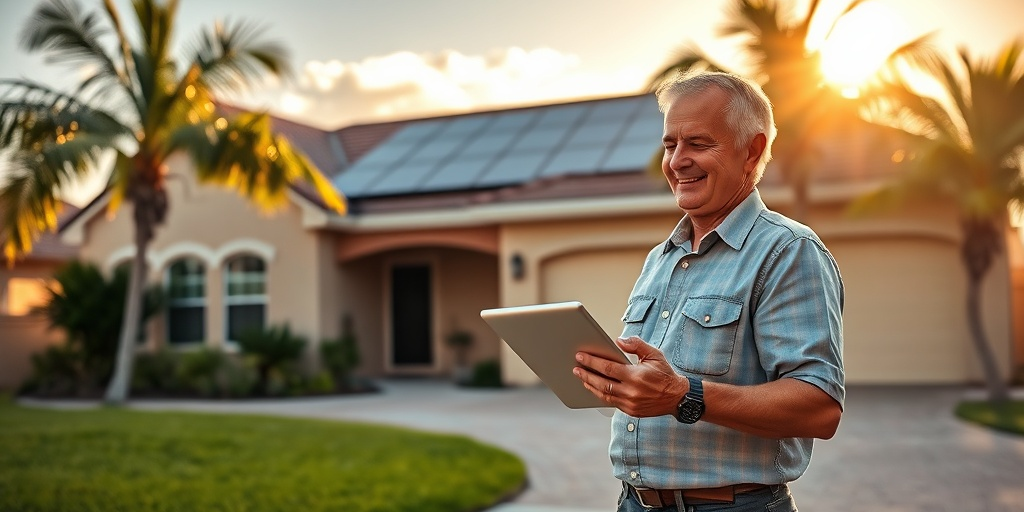
As solar energy continues to gain traction across the United States, the Sunshine State is leading the charge, with over 2.4 million homes installed with solar panels by the end of 2022, reflecting a growing trend among Florida homeowners towards renewable energy solutions. But with this massive adoption comes the pressing question: how do you keep solar panels functioning efficiently? This brings us to our focal point: What Florida Homeowners Should Know About Solar Panel Maintenance. In Florida, a well-maintained solar system can save homeowners as much as $1,500 annually on their electric bills, highlighting the importance of proper upkeep. As we look towards 2025, when energy costs are predicted to soar and the threat of grid instability looms, understanding solar panel maintenance is imperative for homeowners. In this post, we will explore the nuances of solar upkeep, dispel common myths, and guide you towards optimal energy savings. Here’s what we’ll cover:
- Real Case Studies of Solar Panel Maintenance
- Essential Solar Maintenance Checklist
- Common Myths About Solar Maintenance
- Florida-Specific Solar Policies and Data
- Technical Deep-Dive into Your Solar System
Case Study: The Johnson Family’s Journey to Optimal Solar Maintenance
Meet the Johnson family from Fort Myers, Florida—eco-conscious homeowners who decided to invest in solar panels in 2020. Excited about their new system, which was projected to cut their electric bill in half, they were initially unaware of what post-installation solar panel maintenance might entail. After their first year, they noticed their energy savings dwindling. They called Florida Electric & Solar, who sent a technician to examine their system.
The issue? Lack of regular maintenance. Dust, debris, and even bird droppings had accumulated on the panels, reducing their efficiency. The technician provided a clear maintenance plan, which included periodic cleaning and monitoring for shading from nearby trees. “I had no idea that everything was locked in place until I saw the difference after a simple cleaning,” said Sarah Johnson. Since then, their savings increased dramatically, allowing them to allocate more funds toward their children’s college education—something they previously thought impossible.
This case serves as a valuable lesson for Florida homeowners about the importance of understanding solar panel maintenance. According to a study, systems that undergo regular maintenance can expect a performance increase of around 20% (NREL.gov). So, how can you ensure your system operates at peak efficiency? Here’s a practical checklist to follow:
- Step 1: Schedule a professional inspection annually, especially after heavy storms.
- Step 2: Clean your panels at least once or twice a year, or more often if located near heavy foliage.
- Step 3: Monitor your system’s performance regularly through your inverter’s monitoring app.
- Step 4: Trim any overhanging branches that may create shade on the panels.
- Step 5: Document and understand any system alerts or warnings that your system may generate.
By adhering to these guidelines, homeowners can ensure their solar systems remain efficient and maximize their energy savings.
Common Myths About Solar Panel Maintenance
As solar adoption grows, so too do misconceptions about what it takes to maintain these systems effectively. Below, we debunk a few of the most prevalent myths that could undermine your solar investment:
- Myth #1: Solar Panels Don’t Need Maintenance. Just like any other home appliance, solar panels require regular upkeep to maintain efficiency. Neglecting them can lead to a decrease in performance, sometimes by as much as 25% (SolarReviews.com).
- Myth #2: Bad Weather Ruins Solar Panels. In reality, solar panels are designed to withstand harsh weather conditions, from torrential rains to hail. However, it is vital to inspect the system post-storm to ensure everything remains intact.
- Myth #3: Solar Batteries Require Frequent Replacement. Quality solar batteries can last anywhere from 10 to 15 years, and proactive maintenance can extend their lifespan even further. Thus, they do not need to be replaced as frequently as many believe.
- Myth #4: Cleaning Solar Panels is Dangerous. While climbing on the roof can be hazardous, the majority of homeowners can clean their solar panels safely with simple tools. Alternatively, hire professionals who specialize in solar maintenance.
- Myth #5: The More Panels, the More Maintenance. While it is true that larger systems can require more upkeep, the right approach and regular maintenance can standardize care across all systems regardless of size.
Florida-Specific Solar Policies and Data
Our state has a great outlook for solar energy, particularly with the recent policies supporting its growth, which is vital for Florida homeowners looking to optimize their solar investments. Statewide, Florida ranks second in solar energy capacity in the nation (SEIA.org).
Here are several policies and incentives that benefit Floridians:
- Net Metering: This allows homeowners to receive credit for the surplus energy generated by their solar system, helping to offset utility bills significantly.
- Property Tax Exemption: In Florida, residential solar installations do not increase property taxes, making solar energy a wise financial decision (DSIREUSA.org).
- Statewide Utility Rebate Programs: Various utility companies offer rebates to homeowners who install solar panels, reducing the upfront costs of installation.
Additionally, awareness of legislative changes can be crucial. The Florida Solar Energy Industry Association continually lobbies for favorable policies that support solar energy growth, making it essential for homeowners to stay informed about potential changes that could impact their systems.
For more information on solar initiatives in Florida, visit floridaelectricandsolar.com.
Understanding the Technical Aspects of Your Solar System
To truly grasp solar panel maintenance, it is beneficial to understand how your solar system functions. This section delves into the technical components of solar setups, focusing on panels, inverters, and batteries.
Panels convert sunlight into direct current (DC), which is then transformed into alternating current (AC) by the inverter—making it usable for your home. Regularly checking the inverter’s status via its monitoring system is vital. If your inverter shows a warning, it can signify a more considerable problem requiring professional inspection.
- Regular Panel Checks: Physically inspect your panels for dirt, debris, or defects at least twice a year.
- Battery Maintenance: If equipped with a solar battery, monitor its charge cycles regularly. Older batteries should be checked for leaks and corrosion.
- Inverter Functionality: If your panels are ‘working,’ but your electric bill doesn’t reflect savings, the inverter might be the culprit.
Understanding these components not only helps in effective maintenance but also empowers you to make more informed decisions regarding upgrades or replacements in the future.
Next Steps for Florida Solar Buyers in 2025
Embracing solar technology is an exciting venture, but to maximize the benefits and ensure your investment pays off, taking appropriate steps is crucial. Here’s a handy action plan for Florida homeowners looking to leverage their solar systems in 2025:
- Step 1: Audit Your Electric Bill: This will help you understand your consumption patterns and set energy-saving targets.
- Step 2: Schedule Regular Maintenance: Plan for at least one professional inspection annually, especially if you notice any reduction in efficiency.
- Step 3: Keep Records: Track your solar performance and savings to ensure you are getting the most out of your system.
- Step 4: Engage with Solar Communities: Learning from others’ experiences and insights can add great value to your journey.
- Step 5: Invest in Upgrades as Needed: Consider adding additional panels or energy storage options to enhance your efficiency, especially as needs change.
By following this structured approach, homeowners can navigate their solar journey effectively, ensuring that their investments yield maximum benefits. For more tailored advice, consider contacting floridaelectricandsolar.com to discuss options aligned with your energy goals.
In conclusion, maintaining your solar panels is not just about keeping an appliance in good shape; it’s about preserving a valuable asset that can dramatically impact your financial future and health of the environment. With Florida’s abundant sunshine, solar energy is a golden opportunity. By understanding the importance of maintenance and taking proactive steps, you can ensure your system operates efficiently, saving you money and reducing your carbon footprint. In a climate of rising energy costs and environmental concerns, your move to solar is more pressing than ever.
Ready to start your solar journey in 2025? Connect with a certified expert at floridaelectricandsolar.com today.
Related Articles
More insights about Solar Panel

Florida Homeowners: Why Solar Panel Maintenance Is Essential

7 Essential Steps for Solar Panel Installation Success

Expert Insights: Key Factors Influencing Solar Panel Lifespan
Ready to Go Solar?
Have questions about solar energy? Our experts are here to help you make the switch to clean, renewable energy.