
What Florida Homeowners Need to Know About Solar Panel Maintenance
Share:
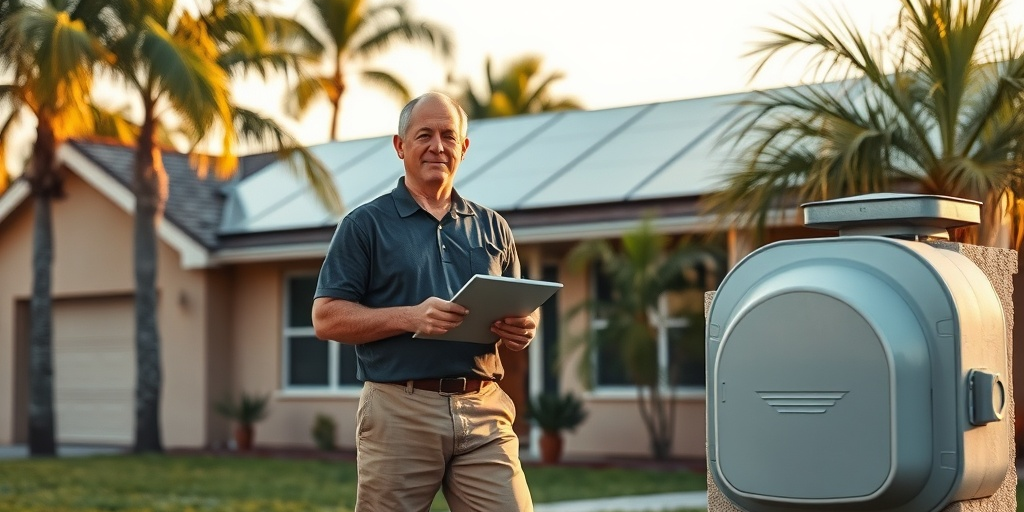
With solar energy adoption skyrocketing across the United States, many homeowners are beginning to see the benefits firsthand. In fact, nearly 16% of Florida homeowners have made the leap to solar power, according to data from the Solar Energy Industries Association (SEIA.org). As a Florida homeowner, you have a unique opportunity to transform your energy consumption through solar panels while saving money in the long run. But what happens when your solar panels need maintenance? What Florida Homeowners Need to Know About Solar Panel Maintenance is not just an informative title—it’s a necessary read for anyone looking to maximize their investment and avoid costly repairs.
In 2025, the urgency for maintaining your solar investment has never been clearer. With energy costs expected to rise by 5% over the next year and new tax incentives set to roll out (Energy.gov), staying informed about solar panel upkeep is essential. Proper maintenance will ensure your system runs efficiently, ultimately saving you more on your electric bill and increasing your property’s value. In this article, we’ll cover:
- The deep dive into solar panel maintenance—mysteries unveiled.
- Essential checklists for keeping your solar system functioning optimally.
- Debunking common misconceptions about solar panel maintenance.
- How Florida-specific conditions affect maintenance needs.
- A technical deep dive into the components that require regular upkeep.
By the end of this article, you will appreciate the importance of proactive maintenance, empowering you to keep your solar system operating at peak efficiency.
Understanding Solar Panel Maintenance: The Deeper Dive
Imagine the Johnson family, who live in a sunny suburb of Orlando. They made the switch to solar panels two years ago, thrilled at the prospect of cutting their electric bills by more than 50%. Initially, they reaped the bounty of the sun’s rays—but as time progressed, their energy savings started to dwindle. What went wrong? After some research and consultation with experts, it was apparent—they neglected routine maintenance.
Like any investment, solar panels require care and regular attention. For Florida homeowners, this means understanding local climate conditions, common pests, and wear-and-tear factors unique to the Sunshine State. Here’s a checklist of practical maintenance tasks to follow:
- Inspect Regularly: Check your solar panels at least twice a year for dirt, debris, or damage.
- Clean as Needed: Regular cleaning can improve your solar panels’ efficiency by up to 20% (SolarReviews.com).
- Monitor Performance: Use solar monitoring systems to keep tabs on your panel’s energy production.
- Look for Shade Issues: Regularly trim surrounding trees or foliage that may cast shadows on your panels.
- Consult Professionals: Schedule a professional service every 2-3 years to ensure everything is functioning as it should.
Now let’s dispel some myths surrounding solar panel maintenance that can mislead homeowners:
- Myth #1: Solar Panels are Maintenance-Free: While solar panels are built to last, they still require periodic cleaning and check-ups.
- Myth #2: Only Newer Panels Need Maintenance: All systems, regardless of age, benefit from regular care to ensure optimal performance.
- Myth #3: Rain Cleans Solar Panels Effectively: While rain can wash away some dirt, many contaminants remain and require manual cleaning.
With typical wear-and-tear and Florida’s unique environment, your panels may face specific challenges. Florida homeowners should pay particular attention to the following:
- Salt Water Damage: Coastal areas may experience corrosion; regular inspections can catch this early.
- Heat-Related Degradation: High temperatures can affect both solar panels and inverters; installation at optimal angles can help mitigate this.
- Pests and Wildlife: Birds and other animals can nest on or near solar installations, leading to electrical hazards.
For a more technical perspective, let’s analyze the different components of your solar system that require maintaining: solar panels, inverters, batteries, and your overall energy billing system.
A Closer Look at Solar System Components
Maintaining your solar panel system involves understanding its core components—solar panels, batteries, inverters, and energy management systems. Each requires specific attention for optimal performance.
1. Solar Panels: These panels are designed for durability, yet buildup from dust, pollen, or bird droppings can significantly hinder their efficiency. Regular cleaning of panels can improve energy production by ensuring they receive the maximum amount of sunlight possible. Generally, cleaning them once or twice a year is effective, but if you live in a particularly dusty area, consider inspecting them more frequently.
2. Inverters: The inverter translates the sunlight harvested by the panels into usable electricity. It’s crucial to check your inverter regularly for display errors, which could indicate underlying issues. A good practice is to comb through the inverter’s log data to keep a watchful eye on performance trends. According to Solar Energy Industries Association, if your inverter works correctly, it should produce an energy output close to your system’s capacity.
3. Battery Storage Systems: If your setup includes battery storage, instant monitoring is necessary. Over time, batteries can degrade, and issues such as overheating or low charge levels can occur if not adequately watched. Most battery systems provide diagnostics; relying on this information can help you avoid failures.
4. Energy Billing System: Understanding how solar energy translates into savings on your electric bill is essential. Engaging your electric provider can clarify how net metering and feed-in tariffs work, enabling you to keep a close eye on energy usage and production. For Florida homeowners, knowing these billing intricacies can help maximize your savings in 2025 and beyond.
Understanding each component’s maintenance needs can ensure that your transition to solar power remains seamless. With proactive maintenance, the Johnsons quickly improved their energy output once they began following these guidelines—illustrating that care today equals savings tomorrow.
5 Essential Solar Maintenance Best Practices for 2025
Maintaining your solar system doesn’t have to be overwhelming. Here are five expert-recommended best practices that can significantly improve your solar panel maintenance routine:
- Don’t skimp on panel placement: Collaborate with professionals to ensure your panels are positioned optimally, exposing them to maximum sunlight while minimizing shading risk.
- Utilize Technology: Leverage solar monitoring systems to give you real-time insights into system performance. Many can alert you to problems before they become significant issues.
- Stay Updated with Panels’ Warranty: Understand your panels’ warranties and what aspects they cover. Familiarize yourself with the expectations surrounding maintenance to stay under warranty guidelines.
- Explore Professional Extraction Services: Engage licensed solar panel cleaners or maintenance services that understand Florida’s unique challenges, from algae in humid conditions to high winds.
- Act on The Weather: Following significant weather events like storms, inspect your system for debris or possible damage. This ensures your installation remains secure and functional.
Incorporating these practices not only keeps your solar system functioning well but positions you for optimal performance moving into 2025. For additional tips tailored to Florida homeowners, visit floridaelectricandsolar.com.
The Florida Homeowner’s Solar Journey
Let’s transition to a more narrative approach in understanding the real implications of solar maintenance. Meet Sarah, a homeowner from Sarasota who needed to do something about her soaring electric bills. After installing solar panels, she was initially thrilled to see her bills shrink significantly.
However, as clouds rolled in more often during summer, she noticed a decline in her energy output. Concerned, she reached out to a solar expert who took the time to explain both the maintenance requirements and Florida-specific elements that might affect her panels—such as humidity and high storm risk. They developed an action plan together:
- Regular Cleaning Protocol: Sarah learned to clean her panels at the beginning of every season.
- Annual Comprehensive Assessment: She scheduled an annual inspection with a professional to identify problems early.
- Nearby Trees Maintenance: Sarah also took the initiative to trim overhanging branches to minimize shade interference and reduce hurricane-related risks.
- Energy Monitoring: She invested in a monitoring app to stay informed about her system’s performance.
By following these steps, Sarah not only maintained her original energy savings but eventually improved them as her panels became more efficient post-maintenance. In 2025, as Florida homeowners like Sarah adopt more solar technology, these stories will become commonplace.
Next Steps for Florida Solar Buyers in 2025
If you’re a homeowner eager to join the solar movement in Florida, the following progress checklist can guide you through your initial steps:
- Step 1: Audit Your Electric Bill: Analyze your consumption to determine potential savings once solar is installed. Identifying peak usage times can optimize your system’s output.
- Step 2: Research Available Incentives: Stay updated on state and federal incentives, especially tax credits set to rise in 2025.
- Step 3: Engage Reputable Installers: Consult with well-reviewed solar providers who understand Florida’s specific needs and conditions.
- Step 4: Install with Future Maintenance in Mind: Ensure your installer provides clear maintenance instructions tailored for Florida’s climate.
- Step 5: Maximize Performance Monitoring: Use an app or dashboard provided by the installer to keep tabs on your energy production.
Taking these steps will smooth the transition to a solar-powered future for your family. Together, we can optimize energy efficiency in Florida. Remember, staying ahead of the maintenance curve will significantly benefit you long-term. For further resources and guidance, visit floridaelectricandsolar.com.
As we’ve journeyed together through this insightful exploration of solar panel maintenance, it’s clear that proactive care is not just recommended—it’s vital. Your investment deserves attention to maintain the benefits of solar energy while maximizing its potential in your everyday life. The world of solar is evolving rapidly, be sure you’re not left behind.
Ready to start your solar journey in 2025? Connect with a certified expert at floridaelectricandsolar.com today.
Related Articles
More insights about Solar Panel

Florida Homeowners: Why Solar Panel Maintenance Is Essential

7 Essential Steps for Solar Panel Installation Success

Expert Insights: Key Factors Influencing Solar Panel Lifespan
Ready to Go Solar?
Have questions about solar energy? Our experts are here to help you make the switch to clean, renewable energy.