
What Florida Homeowners Ask About Solar Panel Installation
Share:
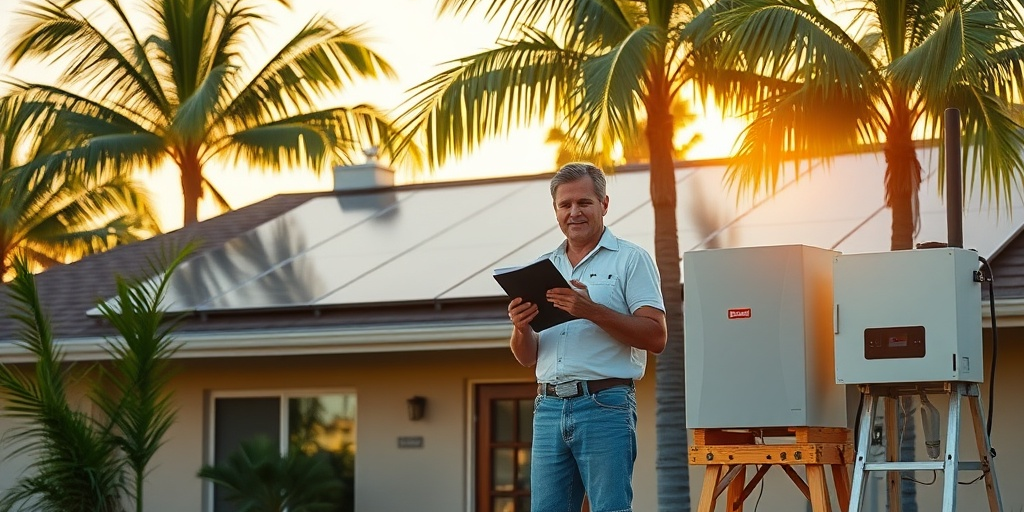
For Floridians, embracing solar energy isn’t just an environmental trend—it is a vital financial decision driven by rising energy costs and increasing climate awareness. Did you know that, according to the Solar Energy Industries Association (SEIA), over 40% of the energy that reaches a typical Florida home can come from solar? With utility expenses projected to rise by 25% over the next five years, more Florida homeowners are asking: “What does solar panel installation involve?” In our feature, What Florida Homeowners Ask About Solar Panel Installation, we dive deep to find real answers to common questions about solar power. With 70% of Florida’s energy market now influenced by solar technology, navigating this evolving landscape has never mattered more as we approach 2025 and recent state incentives that boost solar adoption (Energy.gov). In this post, we will tackle five critical sections: a comprehensive case study illustrating a homeowner’s transition to solar, a checklist to streamline your solar journey, a myth-busting segment clarifying misconceptions, a focus on local policies, and an insightful technical deep dive into how solar technology can transform your landscape.
What Florida Homeowners Really Think About Solar Panel Installation
To reveal the world of solar panel installation, let’s focus on a case study that explores how Mary, a Florida homeowner, made the leap into solar energy. Living in the vibrant community of Orlando, Mary faced steep energy bills that took a bite out of her monthly budget. She found herself trapped in cycles of rising electricity costs, often reaching upwards of $300 in the hottest months. Frustrated by her skyrocketing bills, Mary began to explore sustainable energy alternatives.
Initially skeptical, Mary attended a community seminar organized by Florida Electric & Solar. She learned how state incentives could significantly lower her upfront costs. Particularly, the 26% federal tax credit available in 2025 would mean greater savings. After crunching the numbers and realizing that investing in solar could save her approximately $15,000 in long-term energy expenses, she took the plunge.
Checklist of Steps to Solar Transition:
- Research Local Solar Providers: Look for reputable solar companies like Florida Electric & Solar that can provide tailored plans.
- Calculate Your Energy Needs: Identify your average monthly energy usage to customize your solar system properly.
- Understand Financing Options: Investigate solar loans, leases, or cash purchases to find the best fit for your budget.
- Schedule a Site Assessment: Have professionals evaluate your property for optimal solar panel placement.
- Monitor and Maintain: Regularly check your system’s performance to maximize efficiency and savings.
In the early days of solar adoption, many homeowners believed myths that deterred them from making eco-friendly investments. For instance, Myth #1 claimed solar panels don’t work on cloudy days. In reality, solar systems can still harness energy from indirect sunlight. Similarly, Myth #2 insisted that having solar panels could lower your home’s value; however, homes with solar installations often sell quicker and at a premium (SolarReviews.com). Further, Myth #3 said that solar panel installations require extensive maintenance, when instead, systems are designed for durability and minimal upkeep.
With eye-opening insights from Mary’s experience, we see how embracing solar technology can have a transformative effect on Florida homeowners aiming to cut energy costs and reduce their carbon footprint. As Florida continues to be a hub for solar innovation, it is essential to stay informed about state policies influencing solar energy adoption. For example, the FPL SolarTogether program offers benefits to solar customers, paving the way for a cleaner energy future.
Debunking Common Fears and Misunderstandings About Solar Energy
Florida homeowners frequently express a range of concerns regarding solar energy installation.
Below is a detailed examination of the fears that often create barriers to solar adoption:
- Misconception #1: Solar panels are too expensive. Many homeowners believe the initial installation costs are insurmountable; however, rebates and tax incentives can significantly alleviate these financial burdens.
- Misconception #2: My roof isn’t suitable for solar panels. Various technologies enable solar solutions for different types of roofs. Regardless of your building type, a suitable system can be found.
- Misconception #3: Solar is only a trend and won’t provide long-term savings. Numerous case studies indicate that solar investments yield significant cost savings over time, greatly reducing monthly bills.
- Misconception #4: Solar technology isn’t reliable. Industry advancements have made solar systems more effective than ever. Homeowners across Florida benefit from dependable energy solutions.
- Misconception #5: Going solar is complicated. In truth, local solar companies like Florida Electric & Solar handle all logistics and paperwork, ensuring a smooth transition.
In 2025, solar energy is among the top considerations for Florida homeowners aiming less for convenience than for sustainability. Solar energy is more than just a way to lower energy bills—it’s an investment in a greener future, leading to energy independence. Homeowners are now encouraged to address their doubts and find clarity through reliable, local sources.
5 Expert Tips for Solar Installation Success in Florida
As you navigate the journey toward solar panel adoption, keep these essential tips in mind to maximize your investment:
- Understand Your Zoning Regulations: Before beginning your installation, check local zoning laws and homeowners association rules that may restrict solar panel placement.
- Choose the Right Solar Provider: Research companies with positive reviews and warranties to ensure a quality installation experience. Florida Electric & Solar holds credentials and local knowledge to support your solar journey.
- Monitor Energy Consumption: Track your energy consumption habits and adjust as needed after installation for optimal usage of solar-generated energy.
- Install Battery Storage: Consider investing in energy storage solutions to ensure continued energy access during cloudy days or outages.
- Schedule Regular Maintenance: Although solar systems require minimal maintenance, periodic check-ups can help identify issues before they escalate.
Florida’s environment boasts unique opportunities for optimal solar efficiency, yet thorough research remains key in navigating challenges. With Floridians experiencing strong annual sunlight exposure, staying abreast of innovative technologies ensures ongoing savings. Check out floridaelectricandsolar.com to learn more about expert solar strategies tailored for Florida homeowners.
A Fictional Journey: Maria’s Transition to Solar Energy
Let’s explore the journey of a fictional homeowner, Maria, who decided to go solar. Living in the sunny outskirts of Tampa, Maria worked as a school teacher and struggled to make ends meet. Despite her love for sustainability, Maria hesitated to switch to solar due to misinformation.
However, after a captivating seminar she attended at her local community center, Maria felt inspired. The speaker presented data showing that Florida homeowners who adopted solar energy saw an average savings of $1,200 annually! With her newfound knowledge, Maria promptly sought a solar installation company.
Maria took several important actions:
- Reviewed her energy bills: Maria discovered she could save substantially each month if she transitioned to solar.
- Collaborated with a local solar provider: Florida Electric & Solar designed a custom solar setup for her property.
- Applied for incentives: Through state grants and federal tax credits, Maria saved over $5,000 on her installation costs!
- Installed battery storage: To ensure energy independence, Maria included battery systems to store excess power for nights or stormy weather.
Ultimately, Maria became an energized advocate for renewable energy in her community, and others across her neighborhood felt inspired to make the switch too. According to the National Renewable Energy Laboratory (NREL), Florida could meet three-quarters of its annual electricity demand through solar energy by 2030. It’s clear the right information empowers homeowners to realize the potential of renewable technology.
Next Steps for Florida Solar Buyers in 2025
As you consider converting to solar energy, take these important next steps:
- Audit Your Electric Bill: Gather past bills to determine average energy expenditures. This information aids in selecting the appropriate system.
- Evaluate Solar Options: Review available technology types, financing, and energy needs to make an informed decision.
- Engage with a Trusted Provider: Connect with a trusted company like Florida Electric & Solar to discuss your options and receive a customized proposal.
- Understand Available Incentives: Look into local and federal incentives that may lower your installation costs to maximize savings.
- Plan Efficient Roof Placement: Consult with installers on the optimal placement of panels for maximum sunlight exposure.
By taking proactive steps, homeowners unlock the potential of solar energy, harnessing it for both savings and sustainability. To find out more about how to start your solar journey, visit floridaelectricandsolar.com today!
In conclusion, solar panel installation represents a turning point for Florida homeowners. As we enter 2025, remaining informed about solar energy opportunities is crucial. This guide has provided you with actionable insights into everything from residential experiences to financial strategies, empowering you to take advantage of solar energy benefits.
No longer remain a spectator on the sidelines; embrace the shift towards sustainable energy. By actively engaging in your solar journey, you’ll reduce energy costs, empower your family, and contribute to a better environment. Ready to start your solar journey in 2025? Connect with a certified expert at floridaelectricandsolar.com today.
Related Articles
More insights about Solar Panel

Florida Homeowners: Why Solar Panel Maintenance Is Essential

7 Essential Steps for Solar Panel Installation Success

Expert Insights: Key Factors Influencing Solar Panel Lifespan
Ready to Go Solar?
Have questions about solar energy? Our experts are here to help you make the switch to clean, renewable energy.