
What Florida Homeowners Ask About Solar ROI Breakdown
Share:
“`html
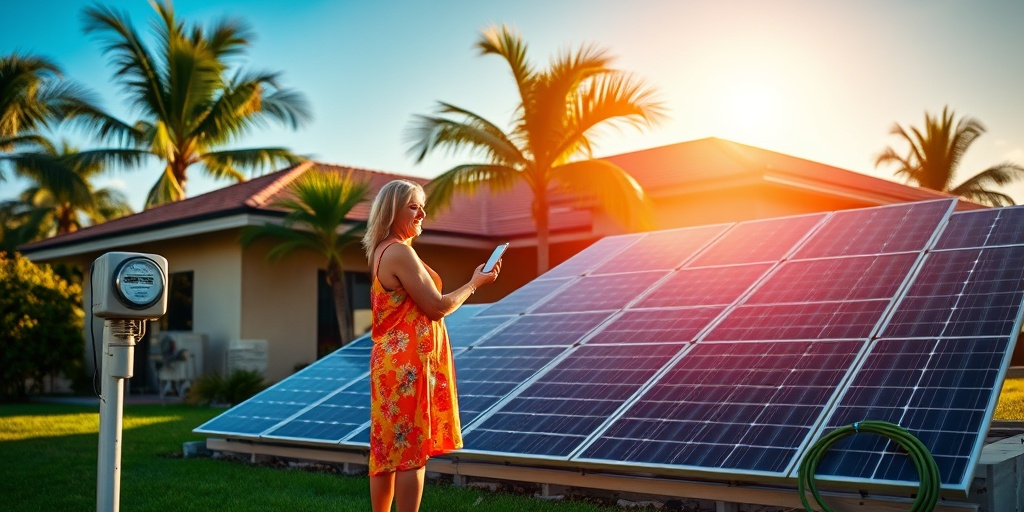
Did you know that in Florida, more than 35% of homes are opting for solar energy solutions to combat rising energy costs? With electricity prices increasing year after year, homeowners are seeking ways to not only save money but also fortify their homes against rising utility bills. If you’ve ever wondered, “How can solar energy truly benefit me?” you’re not alone. Being part of an informed community is crucial, and this is just one of the insightful questions we’re addressing in our article titled “What Florida Homeowners Ask About Solar ROI Breakdown.” This comprehensive Q&A guide dives deep into the common inquiries surrounding solar return on investment (ROI), helping you understand how to maximize your investment. In fact, Florida is one of the leading states in solar installation, with a remarkable growth rate of approximately 40% in capacity added in recent years, thanks largely to supportive policies and incentives (SEIA.org).
As we approach 2025, the urgency to switch to solar energy can’t be overstated. New state and federal incentives are coming into play, incentivizing you to go solar sooner than later. This year, the federal solar tax credit offers a substantial 30% reduction in installation costs, which can significantly enhance your ROI. Additionally, concerns about grid instability due to increasing extreme weather events further emphasize the importance of energy independence. Understanding ROI is critical as homeowners make this transition—a decision that can lead to substantial savings, environmental benefits, and energy self-sufficiency.
In this comprehensive guide, we will explore the following key sections:
- In-Depth Case Study: A Florida Family’s Solar Journey
- Five Steps to Understand Your Solar ROI
- Debunking Common Myths around Solar Investment
- Florida-Specific Insights and Updates
- Technical Deep-Dive: Understanding Your Solar Installation
Join us as we embark on this enlightening journey into the world of solar energy and ROI, equipping you with the knowledge necessary to make an informed decision for your home or business.
Case Study: A Florida Family’s Solar Journey
Meet the Garcia family, residents of sunny Sarasota, Florida, who faced soaring electricity bills that took a significant bite out of their monthly budget. The Garcias spent upwards of $300 per month on energy costs alone, which meant that nearly $3,600 went out the door every year to utility companies. In search of a solution, they began researching solar energy options and focused on understanding the solar ROI. After careful considerations and consultations with local solar experts, they decided to take the plunge.
Initial estimates for their solar panel installation, including a 10kW system and added battery storage, amounted to approximately $25,000. After applying the 30% federal solar tax credit along with local rebate incentives, their effective cost dropped to $17,500. Given their previous energy usage, they anticipated an elimination of their electricity bills, a decision that would pay for itself within five years. Fast forward to 2025, their solar installation not only covers their energy use, but they also earn credits through net metering policies, thus putting their savings at about $1,800 annually as their solar system matures.
To better illustrate the Garcia’s decision-making process, here are key factors that contributed to their positive experience in maximizing solar ROI:
- Thorough Research: They sought multiple quotes and devoted substantial time to comparing different solar companies.
- Understanding Local Policies: The Garcias took advantage of net metering policies that compensated them for excess energy produced.
- Proper System Sizing: Ensuring that their solar system matched their energy consumption was essential in capitalizing on savings.
Ultimately, the Garcias not only saved on their electricity bills but also increased the value of their home by investing in clean energy. With their solar power system, they felt empowered in controlling their energy costs and contributing positively to the environment. This case vividly highlights the importance of understanding solar ROI in today’s market.
Five Steps to Understand Your Solar ROI
Investing in solar energy can be daunting, especially when trying to understand the return on investment (ROI). However, clarifying this concept is vital for Florida homeowners looking to maximize their benefits. Follow these structured steps to make informed decisions about your solar investment:
- Step 1: Evaluate Your Energy Consumption – Before considering a solar installation, review your past electric bills to grasp your consumption patterns. The more energy you use, the greater your benefits from solar can be.
- Step 2: Get Multiple Quotes – Always seek quotes from multiple solar providers. This will give you a broader understanding of the available options, pricing, financing, and incentives specific to your area.
- Step 3: Understand Financial Incentives – Familiarize yourself with federal, state, and local incentives. For instance, Florida’s net metering allows homeowners to receive credit for excess energy produced, directly influencing your ROI (SolarReviews.com).
- Step 4: Calculate Your ROI – Using your solar installation cost and anticipated savings, calculate your ROI. Typically, this can be done using tools available online, or by working with your solar installation company.
- Step 5: Maintenance and Monitoring – Regular maintenance ensures efficiency. Understanding how to monitor your system makes a difference in over time, which influences your long-term ROI.
By implementing these steps, you’ll pave the way to succeed in your solar investment journey. For personalized assistance and more insights, explore the resources available at floridaelectricandsolar.com.
Debunking Common Myths around Solar Investment
With the rise of solar energy installations, several myths and misconceptions about solar ROI have surfaced. Below, we address some of the most prevalent myths to help you navigate your solar path confidently:
- Myth #1: Solar Panels Are Too Expensive – Many people believe that solar installation costs are out of reach. However, the combination of rising energy rates, state incentives, and the 30% federal tax credit makes it more affordable than ever to install solar panels.
- Myth #2: Solar Panels Only Work on Sunny Days – While it’s true that panels produce more energy in sunlight, they can still generate power on cloudy or rainy days, making them a reliable source of energy regardless of weather conditions.
- Myth #3: Solar Energy Is Not Worth It – Many homeowners overlook the long-term savings associated with solar energy. Despite the upfront costs, most systems pay for themselves within 5-10 years, leading to savings thereafter.
- Myth #4: Solar Panels Require a Lot of Maintenance – In reality, solar installations require minimal upkeep. Regular cleaning and occasional checks ensure systems remain efficient.
- Myth #5: You Can’t Make Money from Solar Panels – Thanks to net metering policies in Florida, you not only save but can also earn credits for energy you contribute back to the grid, enhancing your ROI significantly.
Breaking these myths will give Florida homeowners a clearer, more accurate perspective on what to expect from their solar investment. It’s essential that you base your decisions on facts rather than misconceptions, to empower your solar journey.
Florida-Specific Insights and Updates
Florida’s solar industry continues to evolve, influenced by both local legislation and consumer interest. Recent surveys show that 78% of Floridians support solar energy, further emphasizing how vital solar power has become to households (Energy.gov).
One key update affecting homeowners is the ongoing legislative efforts to extend and enhance net metering policies, allowing homeowners to fully benefit from excess energy produced. Additionally, programs such as Property Assessed Clean Energy (PACE) financing allow homeowners to fund solar installations alongside their property taxes, facilitating the decision to go solar.
Other noteworthy points regarding solar energy in Florida include:
- Increasing Installation Rates: Florida’s solar installations are rising rapidly, with over 12,000 residential systems installed in the last year alone.
- Local Savings on Energy Costs: By going solar, many Florida homeowners are experiencing average savings of $30,000 over the lifespan of their systems.
- Return on Investment: Recent reports indicate that homeowners can expect a 70% ROI when opting for solar installations, factoring in energy savings and potential property value increase.
Moreover, Florida’s abundant sunlight positions it as a leading state for solar energy nationwide, with tremendous potential for both homeowners and businesses alike. Ensuring you stay updated on policies and incentives can greatly enhance your solar ROI.
Technical Deep-Dive: Understanding Your Solar Installation
To fully grasp your solar ROI, it’s essential to understand the technical aspects of your solar installation. Knowing how your system works impacts both your savings and satisfaction. Here’s what every homeowner should know:
Here are some crucial components of a solar energy system:
- Solar Panels: Convert sunlight into electricity. The more efficient the panels, the more energy they produce even in limited sunlight.
- Inverters: These devices convert the DC electricity generated by solar panels into AC electricity, which is used in homes.
- Batteries: Battery systems allow homeowners to store excess energy produced and use it later, especially useful when the sun isn’t shining.
- Monitoring Systems: Digital energy management systems show real-time data on production, which helps homeowners track performance and ROI efficiently.
Maintaining awareness of how your system operates can directly impact your energy bills, as well as your understanding of return on investment. Engaging with a qualified provider can smooth out any uncertainties present about solar technology. For further assistance and clarification, visit floridaelectricandsolar.com.
Next Steps for Florida Solar Buyers in 2025
As you consider transitioning to solar energy in 2025, understanding and planning your process is key to achieving remarkable results. Follow these actionable steps:
- Audit Your Electric Bill: Assess your previous bills to identify your average monthly usage, which solves how large your solar system should be.
- Research Solar Providers: Take time to investigate local solar companies. Look for reviews, available warranties, and the types of financing they offer, allowing for informed decisions.
- Compare Financing Options: Delve into the different financing routes. Consider tax credits, rebates, and PACE to see which options benefit you most.
- Understand Essential Contracts: Review contracts with your provider closely and ask for clarity on terms before signing anything. Be aware of warranties, expected panel lifespan, and potential resale values.
- Promote Your Decision: As solar users, spread the word about the benefits of going solar, inspiring others to take a similar path toward energy independence.
Familiarizing yourself with these steps will reduce friction in your solar-buying experience and set you on the path toward maximizing your investment.
In conclusion, this enlightening exploration into “What Florida Homeowners Ask About Solar ROI Breakdown” highlights the incredible potential of solar energy for Florida homeowners. With reducing energy costs, increasing property value, and sustainable energy options available, 2025 is a pivotal year for making the transition. By addressing common myths, understanding your solar ROI, and auditing your energy habits, you stand to gain immensely from becoming a solar energy homeowner.
Ready to start your solar journey in 2025? Connect with a certified expert at floridaelectricandsolar.com today.
“`
Related Articles
More insights about Solar ROI

Expert Insight: Understanding Solar ROI Breakdown for Florida Homeowners

Beginner’s Guide to Solar ROI Breakdown for Your Home

Expert Insight on Solar ROI Breakdown for Florida Homeowners
Ready to Go Solar?
Have questions about solar energy? Our experts are here to help you make the switch to clean, renewable energy.