
Why Florida Homeowners Should Consider Solar for Commercial Properties
Share:
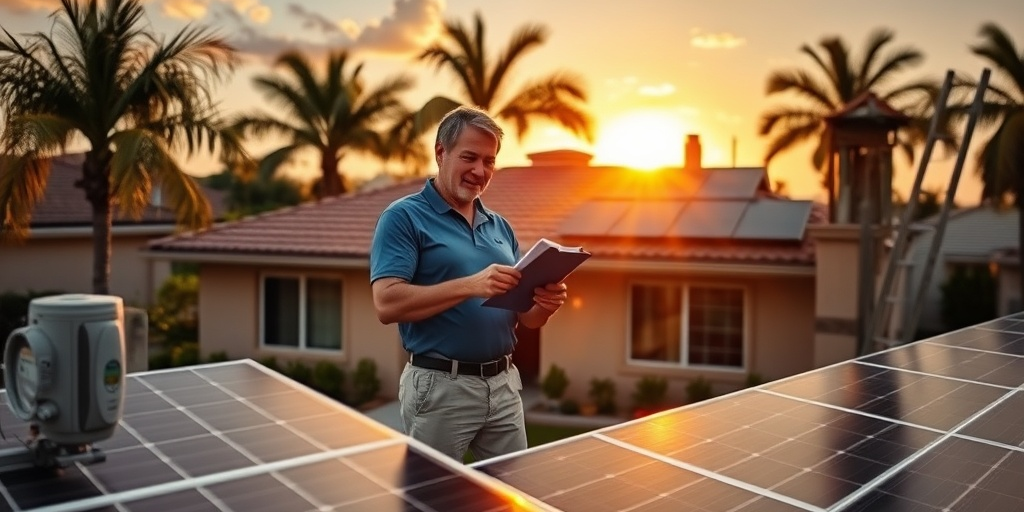
Imagine a time when your energy bills were not a source of stress, but a part of your financial freedom. For Floridians, the opportunity to turn this dream into reality is just around the corner in 2025. It’s no surprise that many homeowners are considering the switch to solar energy—after all, Florida is known as the “Sunshine State” for a reason! The potential for solar power in Florida commercial properties is vast, and here’s why Florida homeowners should consider solar for commercial properties.
Did you know that solar energy has grown by over 167% in the last decade according to the Solar Energy Industries Association? Furthermore, Florida ranks second with over 100,000 solar installations nationwide (SEIA.org). As energy prices continue to soar and climate policies shift towards sustainability, making the move to solar power is no longer just an option; it’s a necessity. In this article, we will explore the numerous benefits of adopting solar energy for commercial properties, emphasizing how it can lead to substantial energy savings and other advantages that are especially pertinent today.
This blog will guide you through five essential aspects of adopting solar power for commercial properties:
1. Understanding why solar is a smart investment for Florida property owners.
2. Actionable steps to ensure a successful solar transition.
3. Busting common myths surrounding solar energy.
4. Insights into local incentives and programs available to Floridians.
5. Technical considerations that provide clarity on the technology involved.
Let’s dive into how capitalizing on solar energy can secure a brighter, more sustainable future for both your home and commercial properties in 2025.
Why Solar Energy is a Smart Investment for Florida Commercial Properties
As energy demands continue to climb, the return on investment for solar panels becomes increasingly undeniable. A rich case in point is the journey of Jim, a Florida homeowner and commercial property owner, who faced skyrocketing electricity bills. After a thorough evaluation of his options and the prospect of installing solar panels, he decided to take the plunge.
Within the first year, Jim not only slashed his energy costs by 30%, but he also mitigated the unpredictability in energy prices by locking in his rate with solar energy. Since his commercial property features a large roof area perfect for solar panel installation, Jim maximized the potential of using his building’s real estate wisely while harnessing the sun’s renewable power.
To ensure that homeowners like Jim can navigate the process successfully, here’s a concise checklist of steps to consider in your solar journey:
- Step 1: Assess your energy consumption and requirements. Take a close look at your monthly electric bills to understand how much energy you are using and identify your peak demand times.
- Step 2: Research local incentives. Florida has numerous programs like the Federal Investment Tax Credit (ITC), which offers a 26% tax credit for solar investments up until 2025.
- Step 3: Choose a reputable solar installation company. Ensure they are local experts who understand Florida’s climate and regulations.
- Step 4: Evaluate financing options. There are numerous financing mechanisms available, from loans to Power Purchase Agreements (PPAs), that can minimize upfront costs.
- Step 5: Monitor performance post-installation. After your solar system is operational, keep a close eye on its energy production to ensure it’s meeting your expectations.
While exploring these steps, it’s essential to understand some common myths surrounding solar energy. Here are a few misconceptions that could hinder your decision-making:
Myth #1: Solar is too expensive for most homeowners.
Contrary to popular belief, the initial costs of solar installations have declined by about 82% since 2010, according to the National Renewable Energy Laboratory (NREL.gov).
Myth #2: Solar panels are not effective in cloudy areas.
Florida, with its abundant sunshine, ranks among the top states for solar panel efficiency, even on cloudy days. Panels can still generate energy even when the sun isn’t blaring.
Myth #3: Solar installations are too complicated.
With the right team, the installation process is streamlined and efficient, lasting only a few days to weeks. And local companies like Florida Electric & Solar understand the nuances of working within state-specific regulations.
Myth #4: You won’t save money if you move.
Solar panels can add value to your property, making it more attractive to potential buyers, and some financing options transfer the installation benefits to the new owners.
Myth #5: Solar is only for environmentally conscious consumers.
Solar energy is fundamentally about financial savings in addition to sustainability, making it an attractive option for any Florida homeowner looking to reduce expenses.
These myths can cloud your judgment, so arming yourself with factual information is paramount. Transitioning to solar energy not only makes environmental sense as we move into 2025, but it’s now an increasingly smart financial decision as well.
As the transition towards a cleaner energy future accelerates, understanding the substantial financial incentives available is essential.
Understanding Florida-Specific Policies and Incentives
For Florida homeowners, maximizing solar savings means not only investing in technology but also navigating the available local programs that support these goals. The Florida Legislature has established several incentives and benefits designed to encourage solar adoption across the state.
Among the numerous options, homeowners can take advantage of:
- State Sales Tax Exemption: Florida offers a sales tax exemption for solar energy systems, including roof-mounted solar panels, which helps reduce initial investment costs significantly.
- Property Tax Exemption: Homeowners are also exempt from increased property taxes as a result of solar energy installations, meaning your solar investment will not affect your property’s taxable value.
- Net Metering: Florida homeowners can receive credits on their utility bills for the excess energy produced by their solar systems, allowing them to effectively reduce their electricity bills.
- Federal Investment Tax Credit (ITC): A critical benefit that allows homeowners to claim a percentage of their solar investment against federal taxes—this major incentive drops to 22% in 2025 after being 26% (SEIA.org).
- Local Utility Rebates: Specific utilities within Florida may offer their own rebate programs, providing further financial incentives for going solar, so checking with local utilities is advisable.
According to the Florida Solar Energy Center, solar energy installations can offset an average of 75% of a typical home’s electricity needs over a year (Florida Solar Energy Center). Understanding these intricacies and engaging with institutions like Florida Electric & Solar can help you navigate your way toward a successful installation.
However, it isn’t enough to simply grasp these incentives; you need a thorough understanding of the technology behind solar installations to ensure you’re making the most of your investment.
Technical Deep-Dive: Understanding Solar Technology and Installation
Solar energy is not just a fad; it’s a rapidly evolving industry. Understanding its technology will help you make an informed decision. The key components of a solar energy system include solar panels, inverters, and battery storage systems that work harmoniously.
1. Solar Panels: Typically made from silicon, solar panels absorb sunlight and convert it into electricity. There are two main types: monocrystalline and polycrystalline panels. Monocrystalline panels are more efficient but slightly pricier, while polycrystalline panels are budget-friendly but slightly less efficient (SolarReviews.com).
2. Inverters: These devices convert the direct current electricity produced by solar panels into alternating current (AC), which is the form of electricity most commonly used in homes. This step is crucial for integrating solar power into the grid or your home systems.
3. Battery Storage Systems: Batteries allow homeowners to store excess energy produced during sunny days for use during the evening or when the grid goes down. This autonomy can be incredibly beneficial, especially during hurricane season in Florida when grid reliability may be compromised.
If you reside in a hurricane-prone area, verifying that your panels and system are designed to withstand high winds and adverse weather conditions is paramount. Research the durability and warranties offered by installation companies before committing to ensure your investment is safeguarded.
Moreover, placing solar panels at the optimal angle can significantly enhance energy production, especially in Florida, where the southern aspect offers the best exposure to sunlight. It’s valuable to consult with a local installer experienced in Florida’s specific climate and weather patterns to optimize your setup.
Your solar journey doesn’t end post-installation—continuous monitoring of system performance is vital to assess how well your panels are functioning and if they are meeting your energy needs. With the advancements in solar technology and installation processes, we are now at a pivotal moment where going solar is smarter than ever.
Next Steps for Florida Solar Buyers in 2025
As a prospective solar buyer, understanding the journey ahead can simplify your decision-making process. Here’s a checklist of steps to navigate your solar transition:
- Step 1: Audit Your Electric Bill. Analyze your monthly energy consumption patterns to determine your average energy usage and identify potential solar system sizes.
- Step 2: Research and Compare Providers. Look for reputable solar installation companies with solid experience and local knowledge. Don’t hesitate to request multiple quotes to understand the best fit for your needs.
- Step 3: Evaluate Financial Options and Incentives. Explore financing options, including solar loans, leases, and Power Purchase Agreements, while ensuring you’re aware of local and federal incentives.
- Step 4: Schedule a Consultation. Local experts like those at floridaelectricandsolar.com can help customize your plans based on your specific property needs.
- Step 5: Monitor and Maintain Your System. After installation, maintain regular checks to verify performance and efficiency, ensuring that your system is performing optimally.
Taking these steps can reduce confusion and help optimize your solar investment, paving the way for achieving energy independence. The future of energy reliability is solar, and with local incentives supporting wide-scale adoption, there’s no better time to explore your options.
Transitioning to solar energy means not just changing your energy source, but also rethinking your approach to energy consumption and financial management.
Conclusion
Solar energy is rapidly becoming an essential component of the modern homeowner’s strategy for energy independence and financial wellbeing, especially for Florida commercial properties. Through understanding the value of solar installations, assessing available incentives, and navigating the technology behind it, you will undoubtedly see why this shift is vital and advantageous.
As we pivot towards a future increasingly powered by renewable energy sources, the urgency to act is more palpable than ever. Rising energy costs combined with generous local and federal incentives mean now is the perfect time for Florida homeowners to harness the sun’s power and invest in solar energy not just for their homes, but for commercial properties too.
Ready to start your solar journey in 2025? Connect with a certified expert at floridaelectricandsolar.com today.
Related Articles
More insights about Solar

What Are the Key Benefits of Solar for Commercial Properties?

Why Gulf Coast Residents Should Explore Solar for Commercial Properties

Why Gulf Coast Residents Should Consider Solar for Commercial Properties
Ready to Go Solar?
Have questions about solar energy? Our experts are here to help you make the switch to clean, renewable energy.