
Florida Homeowners: Discover How Solar Panel Installation Boosts Home Value
Share:
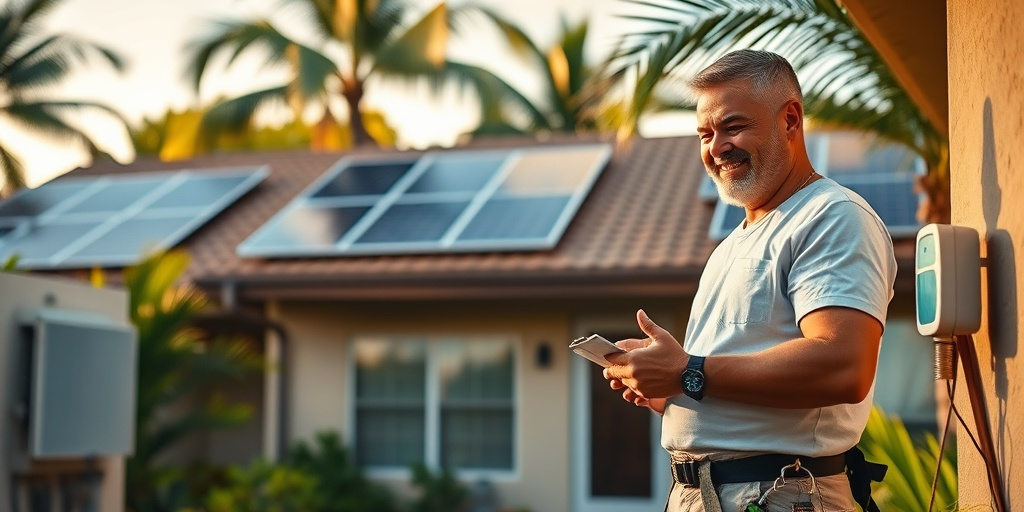
In a state known for sunshine and vibrant landscapes, the opportunity to harness solar energy is not just a passing trend—it’s a burgeoning reality that many Florida homeowners are beginning to embrace. Did you know that homes equipped with solar panels can increase their property value by an average of 4.1%? This is a significant boost, especially when considering the average home prices in cities like Miami and Orlando, which can soar above the $300,000 mark. With energy costs skyrocketing and the demand for sustainable living intensifying, the question isn’t whether solar is a wise investment, but rather how soon you can make the transition. In this article titled Florida Homeowners: Discover How Solar Panel Installation Boosts Home Value, we will delve into the intricate dynamics of solar panel installations and their positive impact on home values, especially in light of new incentives in 2025 meant to encourage renewable energy adoption. We have a lot to cover, so prepare to explore five critical sections: (1) The Story of Solar Success, (2) A Practical Checklist for Solar Transition, (3) Myths Debunked: The Truth About Solar Energy, (4) Local Insights for Florida Homeowners, and (5) Technical Deep-Dive and Next Steps for Your Solar Journey.
How Solar Panel Installation Increases Your Home’s Value
When Amelia and David Johnson, a couple living in Tampa, decided to install solar panels on their home, they did not fully understand the impact it would have on their property. After attending a local energy expo, they discovered that their upfront investment could translate into not just lower electric bills but also an impressive rise in home value. In just one year, they saw an increase of over $15,000 in their home value, equating to a 5% jump. This wasn’t just an anecdotal success story; statistics back them up. In fact, a study conducted by the National Renewable Energy Laboratory (NREL) found that homes with solar panels sell for about 20% more than similar homes without solar. As you can see, the benefits are significant.
So, if you’re a Florida homeowner considering going solar, understanding these nuances becomes vital—especially as 2025 approaches with new financial incentives aimed at aiding residential energy transitions. With the U.S. government shifting focus toward renewable energy, including solar tax credits extending through 2025, it’s crucial to assess how solar panel installation can not only lower your monthly electricity costs but also enhance your property investment exponentially.
The future of energy in Florida is bright, and so is your potential savings! To illustrate the various dimensions of solar, let’s explore some key aspects:
- Increased Home Value
- Lower Energy Costs
- Environmental Benefits
- The Future of Florida’s Energy Policies
- Technological Advances in Solar
Stay with us as we delve deeper into each aspect throughout this article.
The Story of Solar Success: A Case Study
Let’s dive into the journey of Brian and Lisa Martinez, who live in a charming suburban neighborhood in Jacksonville. Like many other Florida homeowners, they were initially skeptical about investing in solar panels. Yet, growing concerns about rising electric costs, which climbed 8% statewide in the last year alone (Energy.gov), prompted them to research alternative energy options. What they discovered was not only how solar power could mitigate their electrical bills but also how it could boost their home’s value.
Brian and Lisa kicked off their solar journey by consulting with a local solar company that provided them with a comprehensive breakdown of the benefits and potential return on investment (ROI). They learned that homes with solar panels not only sell faster but also command higher prices—all backed by a 2019 analysis from the appraisers at the National Association of Realtors. The Martinez’s initial investment of $25,000 translated into an estimated home value increase of approximately $37,500, based on current real estate trends. This remarkable ROI made them realize the true value of their investment.
Here’s a quick checklist of actions inspired by the Martinez family’s experience that you can take to see similar benefits:
- Research Local Incentives: Investigate programs specific to Florida, such as property tax exemptions and rebates.
- Consult Reputable Installers: Look for local solar companies with proven expertise and customer satisfaction ratings.
- Understand Your Energy Needs: Audit your current energy consumption and determine the best system for your home.
- Plan for System Maintenance: Factor in future maintenance costs to maximize efficiency and longevity.
- Monitor Performance: Use monitoring tools to track energy generation and savings.
While the financial aspect is crucial, it’s equally pivotal to dispel common myths surrounding solar energy, which we will do next.
Myths Debunked: The Truth About Solar Energy
Solar energy is often surrounded by misunderstandings that can lead homeowners to forgo this beneficial investment. Here, we tackle some common myths that may be clouding your vision:
- Myth #1: Solar Panels Are Too Expensive
Many homeowners believe the initial costs of solar installation are prohibitive. However, with federal tax credits of up to 26% and potential state incentives, the long-term savings outweigh the initial expenses (SEIA.org). - Myth #2: Solar Panels Only Work in Direct Sunlight
While sunlight does enhance performance, modern solar panels can still generate power on cloudy days and in indirect sunlight. - Myth #3: Installing Solar Panels Requires a Lot of Maintenance
Solar panels are designed to be durable and typically require minimal maintenance; an occasional cleaning and yearly inspection are sufficient. - Myth #4: Solar Is Only for Rich Homeowners
This myth disregards financing options now available to homeowners of all income levels, including low-rate loans and leasing options. - Myth #5: Solar Panels Will Deter Homebuyers
On the contrary, solar installations are attractive to buyers looking to save on utility bills, thus increasing your home’s resale value (NREL.gov).
Understanding the truth behind these myths can empower you to make informed decisions about your property’s energy future. Florida’s solar policy is evolving, further supporting this renewable initiative.
Local Insights for Florida Homeowners
Florida homeowners have unique advantages when it comes to installing solar panels. The Solar Energy Industries Association (SEIA) ranks Florida as a top state for solar power, and for good reason. According to data, Florida is expected to add more than 1,100 MW of solar capacity in 2025 alone, fueled by the state’s robust sunshine and supportive policies.
But there are several locality-specific factors to consider:
- State Incentives: Florida offers numerous programs, including the 100% property tax exemption on solar energy systems, which drastically reduces the return on investment time frame.
- Net Metering: If your home produces more energy than you consume, excess energy can often be sold back to the grid, providing credits on your electric bill and enhancing your ROI.
- Understanding Geographic Trends: Market trends dictate that solar adoption increases home values based on community acceptance. Areas with higher rates of solar adoption often correlate with higher property values.
For more local insights, you can explore additional state-specific solar information and incentives at floridaelectricandsolar.com.
Technical Deep-Dive: Solar Systems and Their Benefits
One cannot understand the value of solar without delving into the specifics that define an effective solar power system. At its core, a solar energy system consists of panels that convert sunlight into electricity, an inverter that converts the electricity into a usable format, and batteries for energy storage. Understanding these components is essential for homeowners considering solar installation.
The main elements to consider include:
- Solar Panels: Modern panels are increasingly efficient, converting up to 22% of solar energy into usable energy. Choosing reputable brands with high efficiency ratings will maximize your investment.
- Batteries: With rechargeable technology, homeowners can store excess energy generated during the day for use at night, enhancing self-sufficiency.
- Inverters: These devices convert the direct current (DC) from the solar panels into alternating current (AC), which is suitable for household appliances.
The assurance of solar reliability comes from advancements in technology, but one must also consider the significance of optimal panel placement and installation to realize your system’s full potential.
Next Steps for Florida Solar Buyers in 2025
Are you ready to propel your home into a more sustainable and financially stable future? The following actionable steps can guide you on your journey:
- Step 1: Audit Your Electric Bill
Understand your current electricity usage to determine which size solar system you need. - Step 2: Research State and Local Incentives
Look up any available rebates, tax credits, or financing offers specific to Florida. - Step 3: Consult with Solar Experts
Get quotes from several reputable solar installers to gauge the best system for your needs. - Step 4: Understand Financing Options
Evaluate options like solar loans, leases, and power purchase agreements that fit your budget. - Step 5: Monitor and Adjust
Once installed, keep track of system performance and savings to ensure ongoing efficiency.
By following these steps, you’ll not only embark on a rewarding journey toward energy independence but also secure your investment’s future value. For more detailed assistance, visit floridaelectricandsolar.com.
As we arrive at the conclusion of this exploration, it is apparent that the investment in solar panels is much more than just a utility choice; it’s a strategy for enhancing your property value in Florida’s competitive market. With solar energy gaining traction and lucrative incentives becoming more accessible in 2025, there’s never been a better time to make the transition. Not only will you enjoy the immediate benefits of reduced electricity costs, but your home will likely command a premium when it’s time to sell. With statistics showcasing increased home values and successful transition stories sprinkled throughout the state, the urgency is clear: take action toward solar now.
Ready to start your solar journey in 2025? Connect with a certified expert at floridaelectricandsolar.com today.
Related Articles
More insights about Solar Panel

Florida Homeowners: Why Solar Panel Maintenance Is Essential

7 Essential Steps for Solar Panel Installation Success

Expert Insights: Key Factors Influencing Solar Panel Lifespan
Ready to Go Solar?
Have questions about solar energy? Our experts are here to help you make the switch to clean, renewable energy.