
What Florida Homeowners Want to Know About Solar Panel Installation
Share:
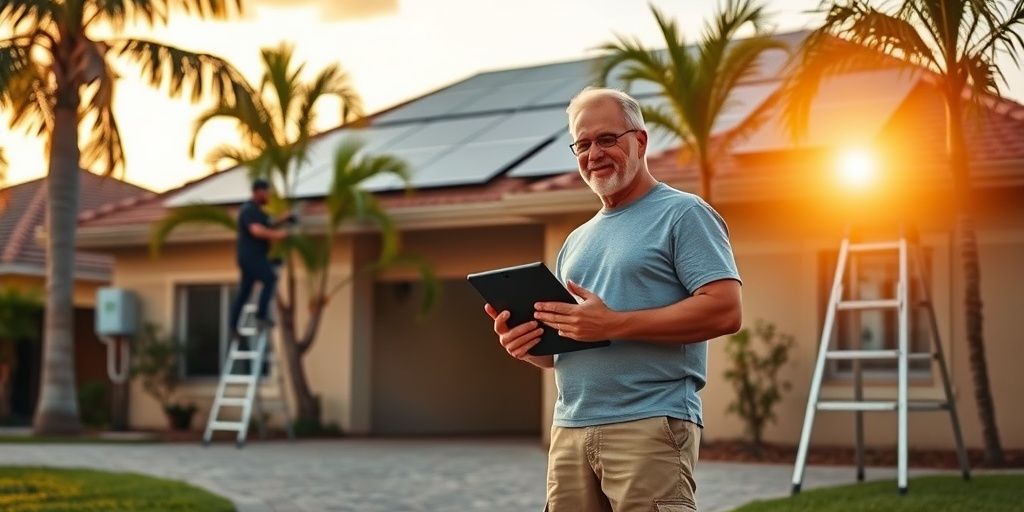
As the sun beats down on the Sunshine State, Florida homeowners are faced with a choice that could significantly impact their future: to embrace solar energy or not. Did you know that in 2025, the average Floridian could save as much as 50% on their monthly electricity bill by switching to solar? This statistic represents a significant financial opportunity amidst rising energy costs. Furthermore, according to the Solar Energy Industries Association (SEIA), the solar industry is projected to create over 20,000 jobs in Florida by the end of 2025. With these compelling reasons, any Florida homeowner should consider, “What Florida Homeowners Want to Know About Solar Panel Installation?”
This article serves a critical purpose in this rapidly transitioning energy landscape. With new solar incentives on the horizon and potential grid instability, understanding solar panel installation has never been more urgent. In this article, we’ll delve deep into the knowledge you need as a Florida homeowner considering going solar. We will guide you through a captivating case study, list actionable steps you can take, debunk common myths surrounding solar installations, focus on Florida-specific regulations and incentives, and conclude with a technical examination of solar technology.
Let’s get started with our first section, shedding light on the real-life implications of solar energy through a homeowner’s journey.
Understanding the Solar Experience: A Case Study
Meet Laura and John, a couple residing in Tampa, Florida. Faced with rising energy bills that surged to over $200 monthly, they began exploring alternatives to mitigate costs. After extensive research, they decided to install solar panels on their home—an experience that transformed not only their financial landscape but also their home’s value. Their journey illustrates the benefits and challenges many Florida homeowners face when considering solar panel installation.
Step 1: Research and Consultation
Laura and John started their journey by reaching out to local solar providers, including Florida Electric & Solar. They learned about the different types of solar panels available and discussed their energy consumption patterns with consultants. One industry statistic highlighted the value of consulting—homes equipped with solar generate an average of 70% of their energy from the sun, drastically reducing reliance on the grid.
Step 2: Financial Planning
Once they decided to go solar, Laura and John assessed the financial aspects. The couple utilized Florida’s solar tax incentives, which allow homeowners to deduct 26% of solar installation costs from their federal taxes. In addition, they discovered that current trends show average Florida homeowners seeing a return on investment within 5–10 years (NREL.gov). This insight was crucial; it empowered them to view solar installation as an investment rather than merely an expense.
Step 3: Installation and Inspection
The installation process was conducted by a certified team from Florida Electric & Solar. After a thorough inspection of their roof and property, the panels were installed using state-of-the-art technology. A fact to note: Solar panels are significantly more efficient in Florida than in other states due to the abundant sunlight available—approximately 237 sunny days each year (Weather.com).
Step 4: Enjoying the Benefits
Post-installation, Laura and John were ecstatic to see their electric bills drop to under $50 per month, even during the summer months. They mentioned how empowering it felt to harness their power while contributing to renewable energy advancement. They saw their home’s value increase by approximately 4%—a valuable addition for potential buyers. According to recent studies, homes with solar panels sell 20% faster than those without (SolarReviews.com). The couple became advocates for solar within their community, sharing their positive experience with friends and family.
Step 5: Staying Informed
Laura and John understood that their solar journey didn’t end with installation. The solar market continually evolves, and Florida homeowners must stay informed about incentives and regulations affecting their systems. This proactive approach is essential for maximizing their solar savings and adapting to policy changes. They found a dedicated section on floridaelectricandsolar.com helpful for ongoing updates.
This case study underscores the profound possibilities for Florida homeowners considering solar installations. From financial benefits to increased home value, the experience can transform lives and communities. Let’s transition to actionable steps you can take as a potential solar customer.
Your Solar Installation Roadmap: A Step-by-Step Checklist
As you contemplate solar energy, understanding the process can significantly alleviate concerns and increase the chances of a seamless installation. Here’s a robust checklist to guide you through your solar panel installation journey.
- Step 1: Conduct an Energy Audit
Before installation, evaluate your household energy consumption. This includes reviewing previous electric bills, identifying peak usage periods, and understanding your energy habits. Knowing your electrical needs will help you determine the right solar panel system size. - Step 2: Research Solar Providers
Explore various solar providers within Florida. Seek those with a solid customer satisfaction reputation. Look for reviews and case studies similar to yours to gauge potential experiences. - Step 3: Explore Financing Options
Understanding how to finance your solar system is crucial. Options include cash purchases, solar loans, and lease agreements. Be proactive: Knowing your budget influences the type of systems and providers you can explore. - Step 4: Schedule System Design Consultation
Once you choose a provider, schedule a consultation. In this session, technicians will assess your property, discuss your energy needs, and design a solar system tailored to your household. - Step 5: Review Contracts Thoroughly
Before signing any financing or installation agreements, review the contract. Ensure all terms, warranties, and system maintenance agreements are clear. Clarifying expectations upfront lead to smoother installations.
By following these steps, Florida homeowners can simplify the path to solar power. Each is tailored to enhance preparedness and confidence in the solar journey ahead, ensuring a seamless transition to a renewable energy lifestyle. Speaking of which, it’s time to address the most common misconceptions surrounding solar energy in Florida.
Dispelling Common Solar Installation Myths
In a landscape filled with misconceptions about solar energy, it’s time to dispel common myths and replace them with facts. Let’s tackle some of these pervasive beliefs that may be hindering could-be solar adopters.
Myth #1: Solar Panels are Only for Warm Climates
While solar panels amplify energy efficiency in sunny climates, they function effectively in various weather conditions. Even during cloudy days, solar panels can generate power, albeit at reduced efficiency. Solar technology has advanced immensely, allowing for year-round benefits regardless of locale.
Myth #2: Solar Energy is Too Expensive
Many homeowners mistakenly believe that the cost of solar is prohibitive. While upfront investments exist, various financing options, including tax incentives, rebates, and grants, make solar installations more affordable than ever. Relying on state and federal programs can drastically reduce your initial costs, with Floridians saving an average of 26% thanks to applicable solar tax credits (SEIA.org).
Myth #3: Solar Panels Require Constant Maintenance
On the contrary, solar panels require minimal maintenance. Regular cleaning and occasional inspections are usually sufficient to ensure optimal performance. Technicians are available for maintenance checks, allowing homeowners to focus on enjoying the benefits of renewable energy with little hassle.
Myth #4: Solar Energy is Not Reliable
One of the main concerns homeowners voice relates to solar reliability. Florida’s abundant sunshine makes solar far more reliable than many traditional energy sources. Additionally, advancements in battery storage technology allow homeowners to store excess power generated during daylight hours for use at night or on cloudy days, ensuring a stable energy supply (NREL.gov).
Myth #5: I Can’t Sell My Home if I Have Solar Panels
Many homeowners worry that solar installations will alienate potential buyers. Contrary to this belief, homes with solar panels tend to sell faster and at higher prices than those without. As the real estate market shifts towards sustainability, buyers increasingly seek homes that support eco-friendly practices.
By debunking these common myths, Florida homeowners can approach solar installations with confidence and clarity. It’s imperative to separate fact from fiction to make well-informed decisions. Building on this foundational understanding, let’s now delve into Florida-specific policies and regulations that will influence your solar journey.
Florida’s Solar Landscape: Policies and Incentives to Consider
Understanding the local solar landscape is critical for Florida homeowners thinking about solar power. The state’s policies and incentives can significantly affect the costs, installation process, and long-term benefits of a solar energy system.
Florida adopted the “Sunshine State” moniker due to its abundant solar energy potential. However, homeowners should also be aware of key regulation and financial incentives:
- Solar Energy Systems Sales Tax Exemption: Solar energy systems in Florida are exempt from state sales tax, making them more affordable for homeowners. Given the average cost of solar installations, this exemption can save thousands of dollars.
- Property Value Increase Assessment: Florida law protects homeowners from property tax increases due to the installation of solar panels. This is crucial for maintaining property values while still generating clean energy.
- Net Metering: Florida homeowners can benefit from net metering policies that allow them to run their electric meters backward when they generate more energy than they consume. This policy credits homeowners for the surplus energy, further enhancing their solar investment.
- Federal Solar Tax Credit: At **26%**, the federal solar tax credit is an essential incentive for Florida homeowners, allowing them to recoup this percentage of their installation costs. With this credit, homeowners can significantly reduce the upfront financial burden of going solar.
- FPL Solar Rebate Program: Florida Power & Light offers rebate programs for solar energy installations. Homeowners can receive incentives directly from their utility provider, making it a financially attractive option.
Being aware of these factors allows Florida homeowners to take full advantage of various resources available to support their solar journey. It is essential to remain informed about policy changes and opportunities to ensure you benefit fully from going solar. Finally, let’s explore the technological aspects that define modern solar installation and improve homeowner experience.
The Future of Solar Technology: What Homeowners Should Know
The explosion of advanced solar technologies has transformed the landscape of residential solar energy in recent years. Let’s take a closer look at some key elements of installation that Florida homeowners should consider when planning their systems.
Solar Panels
Most solar panels today are made from high-efficiency monocrystalline or polycrystalline silicon cells. Monocrystalline panels typically offer better efficiency and performance, particularly in low-light conditions, although they can be more expensive. Homeowners should evaluate their choices based on efficiency ratings and warranties—many reputable companies now offer 25-year warranties.
Inverters
Inverters are essential for converting the electricity produced from solar panels into usable power for your home. There are three main types of inverters: string inverters, microinverters, and power optimizers. String inverters are standard due to their lower costs, while microinverters offer optimization of power production at the panel level—ideal for homes with shading issues.
Battery Storage
Battery storage systems are becoming increasingly popular among Florida homeowners looking to maximize their solar energy consumption. These systems allow users to capture and store excess energy generated during the day, reducing reliance on the grid during peak evening hours. Technology advancements have made batteries more efficient and affordable, enhancing homeowners’ energy independence.
Monitoring Systems
By using smartphone apps and web portals, homeowners can now track their solar energy production in real-time. System monitoring tools offer insights into energy production, allowing for proactive maintenance and ensuring maximum efficiency. This transparency empowers homeowners to feel in control of their energy consumption.
Smart Home Integration
As energy consumption patterns evolve, integration with smart home technology has become essential. Solar panel systems can now connect seamlessly with devices like smart thermostats and energy management tools, allowing homeowners to optimize energy usage based on real-time data, boosting overall energy savings.
With advancements in technology, Florida homeowners are set to embrace an era in which renewable energy is more accessible, efficient, and beneficial. New technologies align with Florida’s growth trajectory within the solar market, creating opportunities for those ready to dive into solar installations. As we round out our comprehensive guide, let’s take a look at the actionable steps available to all Florida homeowners ready to go solar.
Next Steps for Florida Solar Buyers in 2025
As a Florida homeowner, you may be filled with excitement and questions about transitioning to solar energy. Here’s a clear, pragmatic action plan to turn your solar dreams into reality:
- Step 1: Audit Your Electric Bill
Understanding your current energy consumption is vital. Identify average monthly bills and any seasonal fluctuations. This knowledge will guide your decision and help you choose the right solar system size for your lifestyle. - Step 2: Educate Yourself on Local Incentives
Familiarize yourself with Florida-specific solar tax rebates and credits. Understanding these policies will position you to maximize the financial benefits associated with installation. - Step 3: Schedule Consultations
Contact a range of licensed solar companies for consultations. Ask questions, request estimates, and explore your financing options. Take note of their customer service, experience, and reputation in the community. - Step 4: Make an Informed Decision
After collecting feedback and quotes, evaluate the information to make a well-informed decision. Assess warranties, service offerings, and installation timelines to ensure you choose the best investment for your home. - Step 5: Embrace the Transition
Once you choose a provider, it’s time to commit to your solar journey. Enjoy the experience, knowing you are investing in a sustainable future while reducing energy costs.
This action plan simplifies the journey for Florida homeowners interested in going solar in 2025. Taking structured steps helps eliminate those feelings of uncertainty that often accompany big decisions like investing in renewable energy.
In conclusion, the journey to solar energy opens doors to financial as well as environmental benefits for Florida homeowners. A deeper understanding of solar panel installation transforms your outlook, allowing for informed decisions that champion energy independence and sustainability.
As you equip yourself with knowledge about the opportunities and challenges ahead, remember that you’re not alone. Our dedicated team at Florida Electric & Solar is here to assist you every step of the way. The time to act is now—your future energy savings await!
Ready to start your solar journey in 2025? Connect with a certified expert at floridaelectricandsolar.com today.
Related Articles
More insights about Solar Panel

Florida Homeowners: Why Solar Panel Maintenance Is Essential

7 Essential Steps for Solar Panel Installation Success

Expert Insights: Key Factors Influencing Solar Panel Lifespan
Ready to Go Solar?
Have questions about solar energy? Our experts are here to help you make the switch to clean, renewable energy.