
What Florida Homeowners Want to Know About Solar Panel Lifespan
Share:
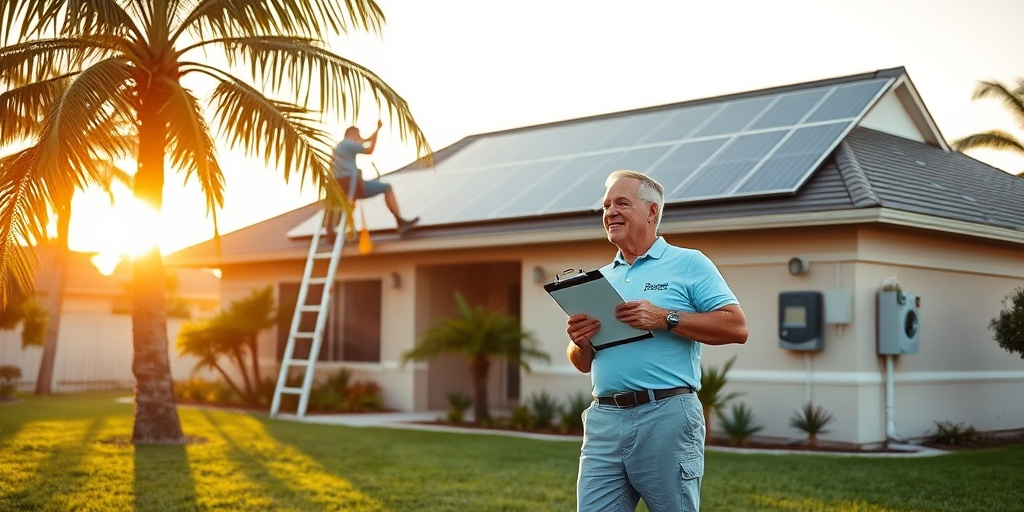
As we stand on the precipice of 2025, the call for sustainable energy sources grows louder, especially among Florida homeowners. Did you know that the average lifespan of a solar panel is about 25-30 years? This extraordinary durability is matched only by the immense potential for savings on your electric bill, which can be reduced by up to 70% through solar energy adoption (SEIA.org). Yet, many homeowners still grapple with concerns about solar panel longevity and efficiency over time. In this guide titled What Florida Homeowners Want to Know About Solar Panel Lifespan, we will delve deep into the inevitable questions surrounding this crucial investment. Each homeowner’s experience is unique, and understanding the nuances of solar panel lifespan can be the key to maximizing your savings while contributing to a cleaner environment.
As the energy crisis looms and electric bills continue to rise, going solar in Florida is more than just an eco-friendly choice—it’s a financially savvy move for your family and business. Numerous new tax incentives and rebates emerging in 2025 offer further compelling reasons to switch to solar energy, making this the perfect time to explore your options. This post is structured to address five significant areas that you, as a Florida homeowner, should know about solar panel longevity. In the first section, we’ll explore meaningful stories through a deep dive case study, followed by actionable checklists, myth-busting insights centered around air-tight data, Florida-specific statistics, and a comprehensive technical analysis. By the end of this journey together, you’ll be equipped to make an informed decision on your solar investment.
Understanding Solar Panel Lifespan: Real-Life Experiences and Insights
A few years ago, when Florida homeowner Susan Morris decided to invest in solar panels, her primary concern was their lifespan. “I had heard about the amazing benefits of cutting my electricity bills, but how long would I be able to trust my investment?” she recalled during our conversation.
Susan’s journey into the world of solar energy began with research, as she sought answers to common queries. She learned that modern solar panels, typically made of silicon, can last for about 25-30 years, with many manufacturers offering warranties that ensure performance for 25 years (Energy.gov). Yet, many key factors influence how long solar panels truly last. Here’s a concise checklist of considerations that homeowners like Susan discovered:
- Panel Quality: Higher-quality panels often yield longer lifespans. Renowned manufacturers back their products with robust warranties.
- Proper Installation: Incorrect installation may shorten panel life. Working with certified professionals is crucial.
- Regular Maintenance: Routine inspections ensure that potential issues are identified and rectified promptly.
- Environmental Conditions: Florida’s humidity and storms can wear out panels more quickly if they are not designed to withstand such conditions.
- User Engagement: Homeowners who actively monitor and manage their solar systems can extend profitability and performance.
Now, despite her worries, Susan took the plunge. Her initial investment seemed substantial, but her savvy decision to go solar was vindicated when she received her first electricity bill—cut in half. Over the years, she not only saved significantly but became a passionate advocate for solar energy in her community. However, misconceptions about longevity persisted among her neighbors:
Myth #1: Solar Panels Only Last 5-10 Years
This vastly underestimates modern solar technology. As noted, the industry standard is 25-30 years (SolarReviews.com).
Myth #2: Solar Panels Lose Efficiency Rapidly
In reality, panels degrade at a rate of about 0.5% to 1% per year after their first year of usage.
Myth #3: All Panels Are the Same
Different panels have varied quality, warranties, and lifespans. Choose wisely based on long-term performance metrics.
Understanding these myths can relieve concerns for many Florida homeowners. Moreover, understanding local considerations, such as the effects of saltwater corrosion in coastal areas, emphasizes the importance of selecting the right products for your environment.
As we transition to the next section, let’s take a more technical exploration of solar panel technology and longevity to frame your knowledge effectively.
Key Factors Influencing Solar Panel Lifespan
Finding peace of mind about your solar investment boils down to understanding how various factors shape the longevity of solar panels. Here’s a rundown of essential elements that directly influence the lifespan of solar panels:
- Material Quality: Stronger, high-grade materials typically correlate with prolonged lifespans. Solar panels manufactured from monocrystalline silicon are often seen as superior due to their low degradation rates.
- Climate Conditioning: Florida’s weather patterns can hasten wear and tear if panels aren’t robust enough to withstand heat, humidity, and the occasional hurricane. Investing in panels designed for such environments pays dividends.
- Inverter Lifespan: Inverters convert solar energy into usable electricity, and their lifespan often ranges from 5-15 years. Regular replacement is crucial to maintaining overall system efficiency.
- Battery Storage: Well-constructed battery systems in conjunction with solar panels preserve energy and optimize performance, especially during peak demand times.
- Installation Standards: Certified installers adhere to best practices that ensure solar panels function at peak efficiency for the duration intended.
Interestingly, a survey conducted by the National Renewable Energy Laboratory revealed that 85% of solar panel owners reported satisfaction with their systems’ efficiency and performance, reinforcing the importance of good installations and an informed consumer base (NREL.gov).
As a Florida homeowner looking to embark on this solar journey, gathering this knowledge lets you feel confident in your investment. By comprehensively understanding lifespan factors, you’re better prepared to make smart choices and maximize solar savings.
In the next section, we will share expert practical tips that will guide you through your installation process without a hitch!
5 Expert Solar Installation Tips for 2025
Installing solar panels can be a significant yet rewarding journey. To help ensure your experience is seamless, here are five expert tips to guide you through the installation process:
- Assess Your Energy Needs: Begin by reviewing your utility bills to understand your energy consumption patterns. An energy audit by a professional can be beneficial to identify potential savings.
- Select the Right Installation Company: Choose a reputable, licensed contractor who specializes in solar installations. Reading reviews and checking credentials is essential.
- Consider Panel Placement: Don’t skimp on panel placement. Areas with maximum sun exposure, such as south-facing rooftops, optimize energy capture.
- Stay Involved: Ask questions during the installation process. Being informed fosters trust and understanding of your system.
- Plan for Future Maintenance: Schedule routine inspections and know your warranty details so you’re prepared for any necessary repairs or upkeep.
By embracing these installation tips, Florida homeowners can improve their solar experience significantly. As the industry transitions in 2025, remember that prioritizing quality and expertise will pay off in the long run.
Moving forward, let’s explore a narrative-driven journey of a fictional Florida homeowner who embodies the struggles and joys of the solar transition.
The Solar Journey of a Florida Homeowner
Meet Mark, a Florida homeowner living on the Gulf Coast. For years, he battled rising electricity costs, feeling increasingly burdened by the hefty bills every month. Inspired by the stories of neighbors who had converted to solar energy, Mark decided to explore the potential. His journey involved both excitement and apprehension. He learned that, on average, solar panels in Florida could yield 1,350 kWh per kW installed annually, making his investment seem more promising (SEIA.org).
Mark spent late nights researching and gathering multiple quotes. He found that a quality solar system would cost him about $18,000 after rebates and tax incentives, potentially yielding a payback period of roughly 6-8 years. However, one question lingered: Would his investment truly last?
He discovered four key aspects during his research:
- Invest in High-Quality Materials: Knowing that high-quality solar panels carry long warranties, he opted for those backed by top-tier manufacturers.
- Consider Local Environmental Factors: Choosing panels designed to withstand the Florida climate was crucial given the area’s humidity and storms.
- Monitor Performance: Installing monitoring apps allowed Mark to track real-time performance, providing peace of mind that his system was operating optimally.
- Utilize Financial Incentives: Mark capitalized on Florida’s state solar tax exemptions, reducing his upfront costs significantly.
Mark’s commitment to understanding his investment paid off. Eventually, he transformed his home into a sustainable powerhouse. His electricity bills dwindled, and the satisfaction of contributing to cleaner energy grew with each passing month.
Now, as we turn our attention to practical next steps for prospective solar buyers in Florida, Mark’s story serves as a powerful reminder of the difference knowledge makes in the solar journey.
Next Steps for Florida Solar Buyers in 2025
Interested in making the switch to solar? Here’s a simple action plan to help guide Florida homeowners through the process:
- Audit Your Electric Bill: Review at least six months’ worth of bills to determine your average energy consumption. Knowing this will help tailor a solar system to match your needs.
- Research Solar Options: Look for reputable solar providers in your area. Use platforms like floridaelectricandsolar.com to gather quotes and options tailored to your needs.
- Consult an Expert: Schedule consultations with licensed solar installers who can explain system options, features, and warranties. Don’t hesitate to ask questions!
- Review Financial Incentives: Research available rebates and tax incentives in Florida to maximize savings. State and federal incentives can greatly reduce upfront costs.
- Finalize Installation Details: Decide on the design and financing options for your solar installation. Work closely with your chosen provider to ensure a smooth installation experience.
Preparing for a solar transition can feel daunting, but by following these steps, Florida homeowners lay a strong foundation for their solar futures. Maximizing benefits today can lead to a wealthier future tomorrow.
As we wrap up this comprehensive exploration of solar panel lifespans, let’s recap the key takeaways from our discussion.
Conclusion
In navigating the complex landscape of solar energy, understanding the lifespan and longevity of solar panels has never been more crucial for Florida homeowners. We’ve shared insights from real-life experiences, essential pieces of advice on installations, accounts of fictional homeowners like Mark, and actionable checklists to streamline your solar journey. The call to action is clear: investing in solar power is not only beneficial for your wallet but also for future generations.
With the worries about rising energy costs and new tax incentives in 2025, the urgency to make an informed choice about solar energy is pressing. Today, an educated decision empowers homeowners to own their electricity, mitigate future energy uncertainty, and bolster their environment’s health. Solar panels are an investment in both your financial future and our planet.
Ready to start your solar journey in 2025? Connect with a certified expert at floridaelectricandsolar.com today.
Related Articles
More insights about Solar Panel

Florida Homeowners: Why Solar Panel Maintenance Is Essential

7 Essential Steps for Solar Panel Installation Success

Expert Insights: Key Factors Influencing Solar Panel Lifespan
Ready to Go Solar?
Have questions about solar energy? Our experts are here to help you make the switch to clean, renewable energy.