
Florida Homeowners: Top Energy Independence Strategies with Solar
Share:
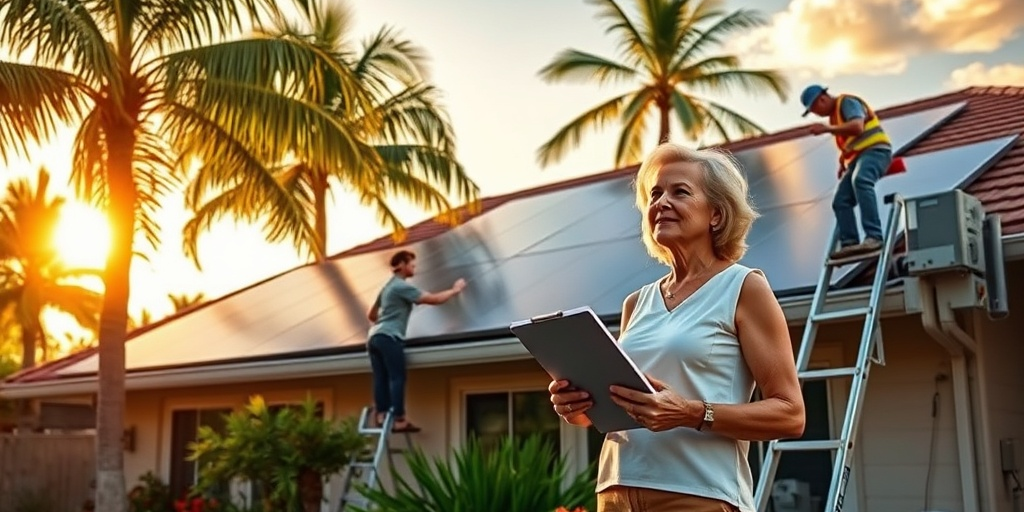
As the sun shines relentlessly on the vibrant state of Florida, a remarkable transformation is taking place within homes and businesses across the region—people are actively pursuing energy independence. Did you know that Florida ranks as one of the top states in the U.S. for solar energy production? In fact, as of 2023, the state boasts over 15,000 solar companies, leading to vast opportunities for homeowners and commercial property owners alike (SEIA.org). The urgency to adopt sustainable practices and significantly reduce energy bills has never been more pressing, especially as energy rates continue to climb and climate goals become more stringent. As we step into 2025, Florida homeowners must ask themselves: how can I leverage the power of solar to achieve true energy independence?
In this comprehensive guide, titled Florida Homeowners: Top Energy Independence Strategies with Solar, we will explore vital strategies that will help you journey toward self-sufficiency through solar energy. With enticing state incentives, the prospect of maximizing savings, and the escalating need for reliable energy sources, making the switch to solar is a timely and worthwhile investment.
Throughout this article, we will navigate five key sections that can illuminate your path: first, we’ll delve into success stories showcasing how solar has transformed the lives of Floridians. Next, we’ll provide a practical checklist to guide your energy independence journey. Then, we will debunk common myths surrounding solar energy that may keep you from taking the plunge. Following that, we’ll explore localized energy policies and incentives that offer additional benefits for Floridians. Lastly, we’ll take a technical deep dive into the mechanics of solar systems and billing structures to enrich your understanding of how solar energy works.
As energy costs rise and federal incentives continue shifting, 2025 presents a critical moment for Florida homeowners. Your transformation to solar energy and independence can begin today. Are you ready? Let’s embark on this enlightening journey together!
Success Stories: Real Floridians Achieving Energy Independence with Solar
Imagine Mary Thompson— a single mother of two who wrestled with high energy bills that consumed a significant portion of her income. With Florida’s relentless summer heat and the increasing dependency on air conditioning, Mary often found herself helpless when her electricity bill skyrocketed to upwards of $400 per month. She decided enough was enough. With the help of a local solar provider, Mary leveraged various state incentives to install a solar panel system on her home. Today, she proudly enjoys a drastically reduced electric bill, often down to $30, while contributing to a greener planet.
This story is not unique; it reflects a growing trend among Florida homeowners looking to cut their energy costs while taking control of their power consumption. As of 2023, Florida homeowners benefit from incentives such as the Federal Solar Investment Tax Credit (ITC), which allows them to deduct 30% of installation costs from their federal taxes, coupled with the Florida Solar Rights Act promoting solar adoption throughout the state (Energy.gov). The increasing accessibility of solar energy is transforming lives and neighborhoods throughout Florida, equipping families to become energy independent.
- Understand Your Energy Needs: Perform an energy audit of your household to determine your consumption habits and identify the best ways to optimize usage.
- Choose Quality Equipment: Opt for high-efficiency solar panels and reliable inverters to ensure optimal performance and long-term benefits.
- Evaluate Financing Options: Research various financing options like solar loans or leases to find the arrangement that suits your financial situation.
- Engage with Local Experts: Consult with companies like Florida Electric & Solar for personalized assessments and installations that align with state incentives.
- Monitor and Adjust: Post-installation, routinely monitor your energy production and consumption to maximize efficiency and savings.
Myth #1: Solar panels are too expensive. Many believe that solar panels are a hefty financial burden. In reality, federal and state incentives can significantly offset installation costs, often bringing solar within reach for many homeowners.
Myth #2: Solar energy only works in sunny climates. While it’s true that solar panels thrive in the sun, advancements in technology ensure that they can still function effectively even in less-than-ideal conditions.
Myth #3: Solar energy is unreliable. With battery storage solutions, homeowners can store energy produced during the day for use at night, ensuring a steady power supply.
As we transition toward understanding local incentives, one key aspect to note is the doubling down on solar-friendly legislation. Florida’s Solar Energy Systems Initiative encourages homeowners to produce clean energy and guarantees that they can sell excess energy back to the grid. According to reports, Floridians saved over $1 billion through net metering programs in 2023 (SolarReviews.com). With such rationale in place, it only makes sense to harness solar energy fully while ensuring our future remains sustainably bright.
Unlocking the Benefits: A Practical Checklist for Solar Independence
Making the leap toward energy independence can be both exciting and daunting. To help you navigate this journey, follow this straightforward checklist of actionable steps tailored for Florida homeowners:
- Step 1: Audit Your Electric Bill – Review your past energy bills to identify trends in energy usage and pinpoint areas where you can reduce consumption.
- Step 2: Research Local Solar Providers – Investigate local solar companies, read customer reviews, and seek out providers with excellent reputations in the community.
- Step 3: Examine Financing Options – Compare different financing plans available, including leasing, loans, or paying upfront, and analyze the long-term financial impact of each option.
- Step 4: Understand Incentives – Familiarize yourself with state and federal incentives that can drastically reduce upfront costs, like tax credits or property tax exemptions, to take advantage of available savings.
- Step 5: Schedule a Consultation – Contact a professional solar installer for a customized assessment, which will provide insights tailored to your home’s energy needs.
In 2023, Florida homeowners embraced solar energy alternatives so effectively that installations increased by 50% from the previous year (NREL.gov). Empowered by these guidelines, homeowners can streamline their solar journey and feel confident with the investment they are about to undertake.
For continued support and community engagement throughout this process, consider connecting with one of Florida’s best solar companies. As you turn your vision of energy independence into reality, keep an eye on the myriad incentives and ever-evolving market landscape.
5 Expert Solar Installation Tips for 2025
Planning to install a solar energy system in 2025? These expert tips will help ensure you get the most out of your investment.
- Don’t Skimp on Materials: Always choose high-quality solar panels and components to guarantee longevity and efficiency. Opt for well-reviewed products with solid warranties.
- Prioritize Proper Orientation: Positioning panels to face south or southwest maximizes sunlight exposure, which is essential for efficiency and energy production.
- Incorporate Battery Storage: Installing battery storage allows homeowners to harness energy for later use, offering greater independence and security against power outages.
- Choose an Experienced Installer: Work with experienced solar professionals who can tailor your system to your home’s specific needs and provide ongoing support.
- Stay Updated on Incentives: Check for changes in state and federal solar incentives, ensuring you’re maximizing potential savings throughout your installation process.
With substantial advancements in solar technology and financing options available, Florida homeowners can make informed decisions that will benefit them for years to come. As you prepare for this transformation, remember that each step is a step toward energy independence.
The Solar Journey: A Floridian’s Path to Energy Independence
Let’s consider the hypothetical journey of Robert and Lisa Johnson, a couple residing in Tampa with a household that relies heavily on electricity for their lifestyle. After years of struggling to manage energy bills that eclipsed $300 monthly, they sought advice from a local solar company to understand how solar could enhance their quality of life.
The couple’s solar journey began with a detailed energy audit that identified significant areas for improvement in efficiency. They promptly scheduled a consultation with a solar installer, who presented them with a customized proposal detailing a sizable solar panel array that would cover most of their electrical needs. With incentives available, they could reduce their installation costs down to just $12,000. Additionally, they discovered that they could finance the system through a low-interest solar loan. They decided to make the leap.
- They reapplied for affordable financing options and ultimately signed the contract for installation.
- The panels went live, resulting in their energy production exceeding their consumption during sunny months.
- They immediately enrolled in a net metering program, allowing the couple to sell excess energy back to the grid.
- Within six months, they noticed a drastic reduction in their monthly bills—sometimes even receiving credit for the energy generated.
This experience left them feeling empowered and relieved. Their decision to adopt solar technology has also allowed Robert and Lisa to confidently pass on these environmental and financial benefits to their children. As of 2023, the installation of residential solar systems in Florida increased by 35% as families and individuals realize the long-term advantages of investing in solar energy (DSIREUSA.org).
Next Steps for Florida Solar Buyers in 2025
Now that we’ve explored successful strategies and the inspiring paths of your fellow Floridians, it’s essential to outline actionable steps to ensure your transition to solar is smooth and productive.
- Step 1: Start with Research – Identify local solar companies and get recommendations from neighbors or online reviews.
- Step 2: Analyze Your Electric Bills – Understand your consumption patterns to determine the appropriate system size required for your needs.
- Step 3: Explore Financial Options – Assess various financial products offered by local installers, considering loans, leases, or property taxes exemptions.
- Step 4: Take Advantage of Incentives – Look up federal tax credits like the Solar Investment Tax Credit, along with any state incentives that can fortify your savings.
- Step 5: Schedule Installations – Once you engage with a service provider, schedule a professional assessment and installation at your convenient time.
With the proper actions in place, Florida homeowners can confidently transition toward achieving their energy independence goals. The move to solar is not just an investment in your property; it’s a pledge to a sustainable future that benefits generations to come. For personalized guidance and clear next steps toward your solar energy journey, feel free to visit floridaelectricandsolar.com. The journey toward sustainable energy is within your reach!
In conclusion, it’s evident that exploring energy independence strategies with solar is both timely and necessary for Florida homeowners entering 2025. Your transition to solar is not merely a financial investment—it’s a commitment to securing your family’s future while contributing to a sustainable environment. By learning from real-life successes, understanding the local market, and leveraging state incentives, you can confidently embark on the journey toward energy independence today.
Ready to start your solar journey in 2025? Connect with a certified expert at floridaelectricandsolar.com today.
Related Articles
More insights about Solar

What Are the Key Benefits of Solar for Commercial Properties?

Why Gulf Coast Residents Should Explore Solar for Commercial Properties

Why Gulf Coast Residents Should Consider Solar for Commercial Properties
Ready to Go Solar?
Have questions about solar energy? Our experts are here to help you make the switch to clean, renewable energy.