
Florida Homeowners: Top Reasons to Explore Solar Battery Storage
Share:
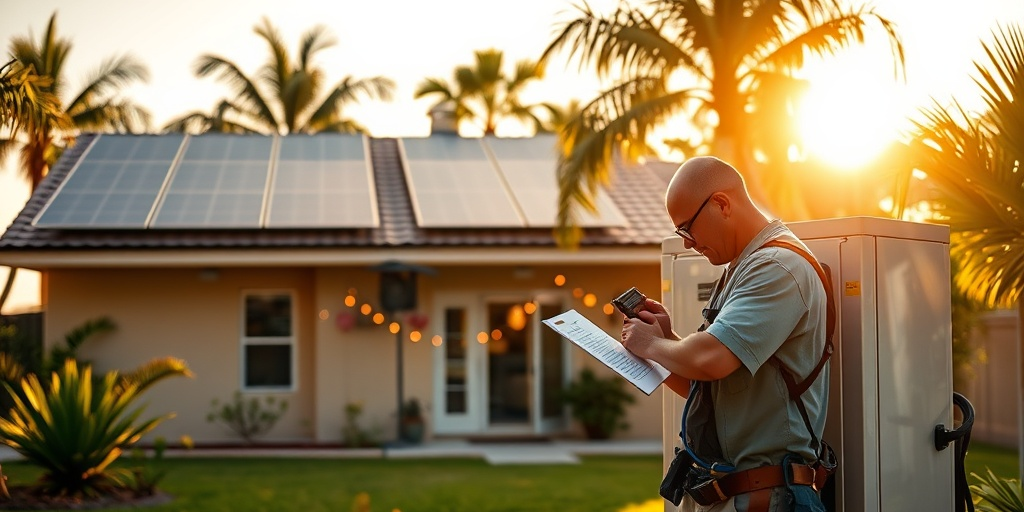
As the sweltering Florida sun continues to blaze overhead, homeowners are feeling the weight of rising electric bills and the reality of an unstable energy grid. A remarkable statistic reveals that Florida ranks third in the nation for solar capacity, with over 16,000 megawatts installed as of 2023 (SEIA.org). Yet, many homeowners still question: Is solar energy the right choice for me? This hesitation leads us to a significant evolution in energy usage—solar battery storage. In our comprehensive guide titled Florida Homeowners: Top Reasons to Explore Solar Battery Storage, we will dive deep into the advantages of combining solar power with battery storage to boost your energy independence, especially in light of new incentives and policies expected to roll out in 2025. With rising energy costs and an increasingly unreliable grid, now more than ever, exploring solar options is not just a smart choice, but an urgent necessity.
In this article, we’ll explore five critical sections:
1. The transformative benefits of solar battery storage through the lens of real Florida homeowners.
2. An easy-to-follow checklist to help you assess your readiness for solar battery installation.
3. Common myths surrounding solar energy and battery storage that need debunking.
4. A focused look at Florida-specific policies and statistics that underscore the importance of this technology.
5. A technical deep dive into how solar battery systems work, including the costs and savings involved.
Let’s embark on this enlightening journey through renewable energy, shaping our homes for sustainability and financial savings.
Transforming Lives: Real Florida Homeowners and Their Solar Battery Success Stories
Meet the Johnsons, a family residing in Miami. With three teenagers and an ever-increasing electric bill that had soared past $300 monthly, their quest for a solution led them to solar energy. The family’s exploration introduced them to solar battery storage, a choice that would ultimately transform their relationship with energy. They installed a solar system alongside a Tesla Powerwall, allowing them to harness the Florida sun’s energy during the day and store it for evening use. “We no longer fear the electric bill,” says Mrs. Johnson. “In fact, we see savings every month!”
The Johnsons’ experience isn’t unique—Florida homeowners are discovering how solar battery storage can foster energy independence. In fact, battery storage can help residential customers cut their electricity bills by nearly 50% (Energy.gov). But what does it take to successfully introduce solar battery storage into your home? Here’s a simple checklist:
- Assess Your Energy Consumption: Look at your past energy bills. How much electricity do you use monthly?
- Evaluate Your Roof Space: Is your roof suitable for solar panel installation?
- Determine Your Budget: Are you ready to invest in solar panels and battery systems?
- Know Your Options: Research local Florida installers and available battery brands.
- Understand Incentives and Rebates: Investigate tax credits and local utility programs that could save you money.
While these steps are crucial, misunderstandings about solar battery storage abound. For example, many people believe that solar batteries are costly and only beneficial to those with large homes or significant energy expenses. This is simply not true. Many battery storage systems are designed to fit a variety of budgets and homes, making them accessible for a broad range of Florida homeowners.
Common Myths of Solar Battery Storage and the Truth Behind Them
We often hear misconceptions that can hold people back from making an informed solar choice. Let’s tackle these myths, so you can feel empowered in your decision to incorporate solar battery storage into your energy strategy.
- Myth #1: Solar Battery Storage is Too Expensive — While upfront costs can be high, the long-term savings from reduced energy bills and available tax incentives frequently make solar an affordable option.
- Myth #2: Batteries Only Benefit Large Homes — This couldn’t be further from the truth! Homes of all sizes are benefiting from solar battery storage, helping homeowners save money regardless of household size.
- Myth #3: Solar Batteries Require Excessive Maintenance — Most modern solar battery systems require minimal maintenance, with warranties lasting up to 10-15 years (SolarReviews.com).
- Myth #4: You Can’t Expand Your System Later — Many systems are modular, meaning you can add more panels or batteries as your energy needs change over time.
- Myth #5: If the Grid Goes Down, Your Solar Doesn’t Work — With a battery backup, your home can continue to run even if the grid is down, providing you with essential power during outages.
Debunking myths like these is essential for Florida homeowners considering solar. The right choice can lead to energy independence, cost savings, and a greater sense of security in our changing world.
Understanding the Benefits of Solar Battery Storage in Florida Energy Policies
In Florida, the energy landscape is rapidly evolving. New policies are being enacted that make solar battery storage an increasingly attractive solution. The common perception of solar energy as just panels on a roof is outdated. Florida’s climate, with ample sunlight, coupled with rising utility costs that hit the pockets of homeowners can make solar battery storage a key player in your energy strategy.
One striking fact is that Florida’s net metering policy allows homeowners to receive credit for the excess power they send back to the grid. This means solar battery storage can not only reduce your monthly power bills, but also provide backup energy during outages or high-demand periods (NREL.gov). Homeowners can significantly tap into the advantages of both solar energy and battery systems:
- Energy Independence: No more reliance on fluctuating utility prices and a fragile grid.
- Financial Savings: Slash your electric bills and maximize potential rebates.
- Environmental Impact: Reduce your carbon footprint by using clean, renewable energy.
Moreover, Florida’s unique weather highlights the importance of battery storage. With storms like hurricanes threatening power outages, having a battery can mean the difference between comfort and chaos. As energy prices show no signs of decreasing, the urgency for sustainable energy solutions in Florida will only continue to rise.
The Technical Deep-Dive: How Solar Battery Systems Work
Many homeowners feel overwhelmed when considering how solar battery systems operate. Entering this arena requires an understanding of the technology that empowers these systems. Solar battery storage systems work in tandem with solar panels to store energy produced during the day for use during early mornings, late evenings, or power outages.
The components of a solar battery storage system typically include:
- Solar Panels: Solar panels convert sunlight into electricity, maximizing efficiency during Florida’s abundant sunny days.
- Battery Storage: These geometric boxes are filled with powerful lithium-ion cells, ready to deliver energy when you need it most.
- Inverters: They convert the direct current (DC) produced by solar panels into alternating current (AC), which powers your home appliances.
Battery systems also provide homeowners with the ability to monitor energy usage with smart technology. This allows users to track how much energy they are using, how much they’re generating, and when it’s most cost-effective to draw from their batteries. To ensure a smooth installation, engage a trusted local provider, such as floridaelectricandsolar.com, who can guide you through the technical details and installation.
Next Steps for Florida Solar Buyers in 2025
Having explored the numerous advantages, myths, and mechanics of solar battery storage, it’s time for action. Here are your next steps as a Florida homeowner looking to venture into the realm of solar energy:
- Audit Your Electric Bill: Determine your average monthly electric consumption and cost. Identifying your energy usage will provide insight into whether solar battery storage makes sense for you.
- Research Incentives: Florida homeowners might qualify for federal tax credits, local rebates, or financing options to alleviate the cost of installation.
- Contact Local Solar Providers: Reach out to reputable solar providers to discuss your options—Florida Electric & Solar is a great place to start!
- Schedule a Consultation: Have a local expert evaluate your home’s suitability for solar battery systems, including roof space, shading, and orientation.
- Plan Your Installation: Once you’ve decided on a system, finalize your financing options and schedule your installation. The excitement of harnessing the sun’s energy is well worth it!
Your proactive steps today set the stage for a more sustainable and cost-effective tomorrow. The path to energy independence is just a few choices away!
As we look back on the journey through solar energy and battery storage, it’s clear the future is bright for Florida homeowners. With options like battery storage, families like the Johnsons can liberate themselves from high electric costs while making a positive impact on the environment. We have collaborated with data, statistics, and real-life examples to empower you, our reader, to make an informed choice as we approach 2025.
Maintaining energy independence is not just a trend; it’s a lifestyle choice for your family’s financial future, safety during storms, and a renewable commitment to our world. Are you ready to take control of your energy?
Connect with a certified expert at floridaelectricandsolar.com today and begin your solar journey!
Related Articles
More insights about Battery Storage

What Is a Solar Battery and How Does It Store Power for Your Florida Home?

Beginner’s Guide to Solar Battery Storage Essentials

Florida Homeowners: Unlock Benefits of Solar Battery Storage Today
Ready to Go Solar?
Have questions about solar energy? Our experts are here to help you make the switch to clean, renewable energy.