
Florida Residents: Top Financing Options for Solar Panel Installation
Share:
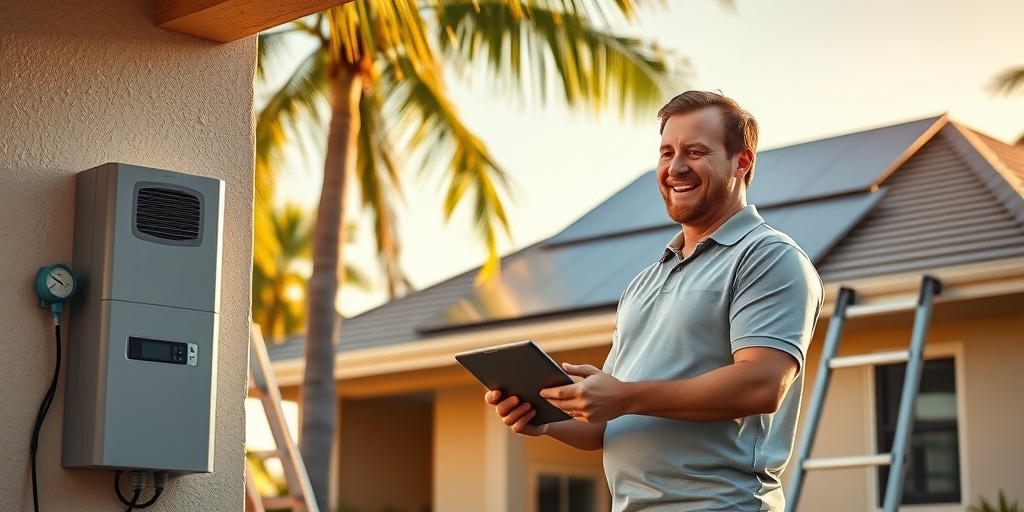
As a Florida resident, you may be interested to learn that the Sunshine State offers some of the most abundant solar energy resources in the United States. According to recent data, the potential for solar energy in Florida is massive, with an average of 237 sunny days per year, allowing homeowners to significantly reduce their electricity bills (Energy.gov). With the rise in electricity costs and the advent of new solar incentives in 2025, knowing the right financing options for solar panel installation is more vital than ever. In this article, titled Florida Residents: Top Financing Options for Solar Panel Installation, we will explore the best ways to finance your solar project while maximizing your utility bill savings and energy independence. With more than 43% of Florida homeowners expressing concern over electric bills, it’s clear that now is the time to act (SEIA.org). We’ll dive into five sections, discussing the emotional stories behind solar, actionable financing checklists, common myths about solar, local Florida statistics, and a technical deep-dive into billing systems. Let’s illuminate the best path toward a brighter, more sustainable future for your home.
Understanding Your Financing Options: A Comprehensive Look at Solar Panel Installation in Florida
Imagine the Smith family, residents of Tampa, who moved into their home five years ago. Like many Floridians, they faced rising electricity costs that strained their monthly budget. After researching renewable energy options, they discovered solar power—a solution that offered both sustainability and savings. With federal and state incentives available, the Smiths opted for a financing solution that allowed them to install solar panels without a significant initial outlay of cash. Here, we’ll discuss how you can replicate their success, focusing on various financing options that cater to Florida homeowners.
1. Financing Your Solar Project: A Checklist
When exploring financing options for solar panel installation, it’s essential to have a systematic approach, especially as incentives and rates can vary significantly in Florida. To ensure that you make an informed decision, here’s a concise checklist:
- Determine your budget: Assess your financial situation to understand how much you can afford upfront.
- Research financing options: Look into solar loans, leases, and power purchase agreements (PPAs) provided by various Florida solar companies.
- Evaluate incentives: Check for federal tax credits and state incentives that can reduce your overall installation costs significantly.
- Consult with experts: Contact reliable solar companies in your area, like Florida Electric & Solar, to gain insights into the best financing choices.
- Plan for future energy needs: Consider the longevity of the solar panel systems, potential upgrades, and how they will impact future bills.
By following these steps, you can embark on a solar journey that is financially sound and aligned with your energy goals.
2. Debunking Myths About Solar Financing in Florida
Despite the benefits of solar energy, many homeowners remain skeptical due to common misconceptions. Let’s break down some of the prevalent myths surrounding solar financing:
- Myth #1: Solar is too expensive. While upfront costs can be significant, financing options like solar loans and leases counter this narrative. Furthermore, with incentives available, many homeowners see immediate savings (SolarReviews.com).
- Myth #2: You can’t afford solar without cash upfront. This myth overlooks financing options such as PPAs, where you pay only for the energy produced, not the system itself.
- Myth #3: Maintenance costs ruin the value of solar. In reality, solar panels require minimal maintenance, and many warranties cover any necessary repairs, reducing long-term costs (NREL.gov).
By understanding these myths, you empower yourself to become an informed consumer who can make educated decisions on financing your solar investment.
3. Harnessing Florida Tax Incentives and Saving Money
As you explore financing options for solar panel installation, it’s crucial to be aware of the tax incentives available in Florida. The state offers attractive financial benefits that can significantly reduce your costs. Here are several key incentives to consider:
- Federal Solar Tax Credit (ITC): This allows homeowners to deduct 26% of their solar installation costs from federal taxes if completed by the end of 2025.
- Florida Property Tax Exemption: In Florida, any increase in property value from solar panel installations is exempt from property tax, meaning you keep your savings intact.
- Net Metering: This policy allows you to sell excess energy back to the grid, providing additional savings and reducing your monthly utility bills.
Understanding the local incentives available is essential for maximizing savings and ensuring that your solar investment truly pays off.
4. Navigating the Technical Aspects of Solar Financing
The financing landscape for solar power can appear complex, especially when combining various payment structures, federal programs, and state-specific policies. Understanding the technical side will put you in a better position to choose the right financing option. Here’s what to keep in mind:
- Loan terms: Solar loans typically range from five to twenty years. Shorter terms can lead to higher monthly payments, while longer terms may result in more interest over time.
- Credit scores: Your credit score often affects your financing options. Explore different lenders to find favorable terms that suit your situation.
- Performance-Based Incentives: These programs reward you based on the power your solar system generates, often leading to more profitable outcomes (DSIREUSA.org).
By grasping these details, you can better navigate the financing opportunities available for solar panel installations.
5. The Post-Solar Installation Journey: Next Steps for Florida Homeowners
Once you’ve decided on a financing option and installed your solar panels, your journey isn’t over. Proactive steps can ensure you maintain and maximize your savings:
- Monitor your energy output: Regularly check system performance to confirm it meets expected generation levels.
- Adjust home energy usage: Implement energy-efficient practices within your home to maximize savings.
- Stay informed: Keep up with the latest solar technologies and incentives to ensure your investment continues to benefit you.
The post-installation phase is just as critical in securing long-term benefits from your solar investment.
In summary, financing your solar panel installation in Florida isn’t just about choosing a payment plan; it’s a holistic process encompassing education, research, and strategic planning. With the right focus and understanding of available options, you can capitalize on your investment, ensuring energy independence for years to come. As rising energy costs weigh heavily on many households, the urgency to transition to solar power has never been clearer. By taking action now, you ensure that your future is bright, sustainable, and financially secure. Contact a certified expert at Florida Electric & Solar today to kickstart your solar journey in 2025.
Related Articles
More insights about Solar Panel

Florida Homeowners: Why Solar Panel Maintenance Is Essential

7 Essential Steps for Solar Panel Installation Success

Expert Insights: Key Factors Influencing Solar Panel Lifespan
Ready to Go Solar?
Have questions about solar energy? Our experts are here to help you make the switch to clean, renewable energy.