
Grid-Tied vs Off-Grid Systems: A Technical Deep-Dive on Efficiency
Share:
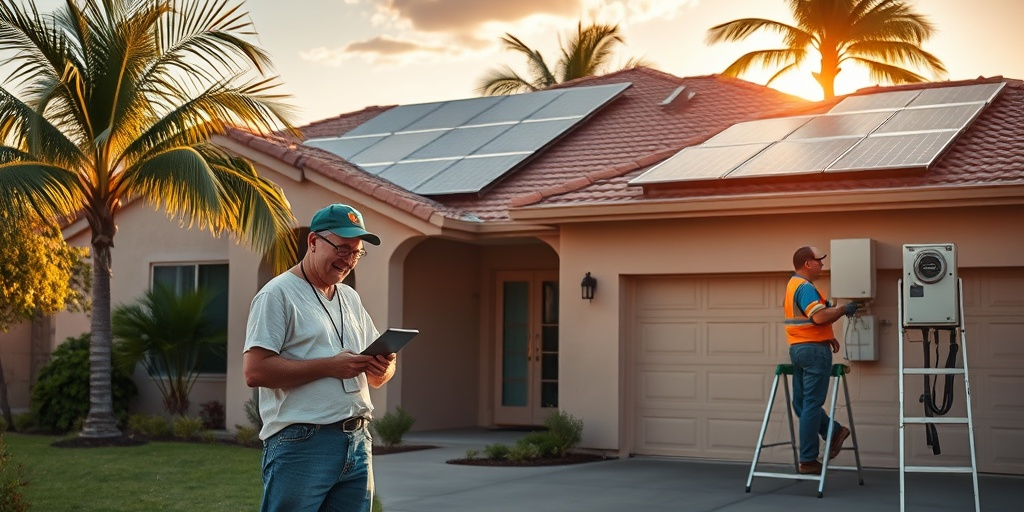
As homeowners in Florida face rising energy costs, an increasing number are looking to solar power as a viable solution. In fact, a recent study found that solar energy can lower electric bills by nearly 50% for Florida homeowners, making it more attractive than ever (Energy.gov). Amidst this solar revolution, potential buyers must distinguish between very different systems: grid-tied vs off-grid systems. Understanding the differences in efficiency is crucial for making educated decisions about solar investments. This article, titled Grid-Tied vs Off-Grid Systems: A Technical Deep-Dive on Efficiency, will clarify these concepts, diving deep into technical details, myths, and real-life applications. As we move closer to 2025, with new solar incentives emerging and grid stability becoming an increasing concern, this knowledge isn’t just valuable—it’s urgent.
Throughout the article, we will explore five areas: first, a case study to illustrate the real-world implications of choosing between grid-tied and off-grid systems; second, a practical checklist for readers to evaluate their solar options; third, we will debunk common myths that can cloud decision-making; next, we will focus on local data that reinforces the relevance of these systems in Florida; and finally, a technical deep dive that scrutinizes the components of each system. By the end of this piece, you’ll be better equipped to navigate the dynamic landscape of solar energy in Florida, ensuring that you make a decision that aligns with your goals.
Understanding Grid-Tied vs Off-Grid Systems
Meet Laura, a Florida homeowner who recently made the leap to solar energy. Initially skeptical about how much she could actually save on her electric bill, Laura did her research and decided to look into both grid-tied and off-grid systems. After months of deliberation, she learned that each option has distinct advantages and disadvantages.
For Laura, going grid-tied meant less upfront investment and greater reliability. In her case, with the average electric bill for Florida homeowners exceeding $100 per month (SolarReviews.com), the potential for immediate savings was tempting. A grid-tied solar setup allows her to stay connected to the utility, pulling power from the grid when necessary and selling excess solar energy back during sunny days. It’s worth noting that the average Floridian homeowner can offset 80% or more of their annual electric bill using solar, especially during peak sun hours (NREL.gov).
In contrast, an off-grid system appealed to Laura’s desire for complete independence from the utility. She imagined a life where her energy was entirely self-sustained, supported by a battery bank that could store power during those infamous Florida thunderstorms. However, she was also quick to notice that the initial costs could skyrocket, sometimes reaching upwards of $30,000 for a full off-grid system solution.
- Understand Your Energy Needs: Complete an energy assessment based on your household consumption. This helps identify whether a grid-tied or off-grid system meets your requirements.
- Research Local Incentives: Florida has various state and federal incentives for going solar, and these can substantially affect the cost of both systems (DSIREUSA.org).
- Evaluate Your Budget: Don’t forget to assess not just upfront costs but long-term savings, especially regarding maintenance and battery replacements for off-grid systems.
- Consult a Trusted Solar Provider: Make sure to engage with an experienced professional like floridaelectricandsolar.com to explore the benefits of both systems tailored to your specific situation.
- Get Neighbor Feedback: Talk to neighbors or local solar owners about their experiences with both system types. Personal stories can provide insights that statistics cannot.
Laura’s journey illustrates one of the biggest myths surrounding solar options—that off-grid systems are the only solution for true energy independence. In fact, many grid-tied systems offer significant autonomy through net metering programs. But how effective are these setups really? Let’s dive deeper into the specifics.
Busting Myths of Solar Energy Systems
It’s important to dispel misconceptions that can cloud the decisions of potential solar adopters. Here are several widespread myths that often come up in discussions:
Myth #1: Off-Grid Systems Are Always Better for Independence.
While off-grid systems do offer complete autonomy from the grid, they require significant investment in batteries and might not be necessary for everyone. Many modern grid-tied systems have battery options, blurring this line of independence (Energy.gov).
Myth #2: All Solar Panels Are Created Equal.
Not all panels perform the same; differences in efficiency ratings and warranty periods can greatly affect your system’s performance. Always choose panels that suit your energy needs and check their ratings!
Myth #3: You Can’t Sell Energy Back to the Grid.
Net metering allows homeowners to supply surplus solar energy back to the grid, and benefit from credits against future bills. This is crucial to offset costs (SEIA.org).
Myth #4: Solar Power Doesn’t Work in Cloudy Weather.
Florida’s climate provides ample sunshine, and even during cloudy days, solar panels can generate significant power. Remember, potential still exists!
Myth #5: The Installation Process Is Too Complicated and Stressful.
With the right experts, like those at floridaelectricandsolar.com, the process is smooth and manageable. Most installations are completed in just a few days, along with hassle-free permits!
How to Make the Right Solar Power Choice for Your Home
The decision between grid-tied and off-grid systems boils down to your individual needs, goals, and preferences. Understanding both systems can lead to significant savings and energy efficiency. Here are five expert tips to guide your installation process in 2025:
1. Assess Roof Space and Orientation:
Don’t skimp on evaluating the best spots on your property. Ideally, your roof should be south-facing, with enough clear space to limit shading.
2. Consider Maintenance Costs:
Grid-tied systems typically require less maintenance than off-grid systems due to fewer components. Be sure to factor this in when doing your budget! Recent data indicates that even advanced systems only need occasional cleaning (Energy.gov).
3. Investigate Local Incentives Like Tax Credits:
Florida residents are eligible for numerous local initiatives that can significantly reduce installation costs. Don’t leave money on the table!
4. Think Long-Term:
While off-grid systems may seem to offer greater savings, analyze your long-term utility costs—as well as potential future increases. In many cases, grid-tied solutions provide peace of mind with lower overall costs (SolarReviews.com).
5. Partner with Experienced Installers:
Collaborating with professionals who truly understand local regulations and concerns will make a world of difference. Make sure you choose someone like floridaelectricandsolar.com who has extensive local experience in Florida.
Local Focus: Florida’s Solar Landscape
Florida leads the nation in solar energy potential but, paradoxically, many residents remain unaware of what systems are best for them. The state boasts over 10 million residents who could potentially benefit from solar energy systems (DSIREUSA.org). But with nearly half of Florida homeowners paying more than $200 monthly in electricity, it’s crucial to understand the strategies that suit diverse households.
- Energy Needs throughout the Year: Floridians must consider seasonal changes. In summer, demand surges, while winter sees much lower usage, creating differing needs for efficiency across the year.
- Local Utility Policies: Utilities in Florida are increasing their investments in solar infrastructure and may offer incentives, but understanding specific policy differences is vital for any homeowner’s solar strategy.
- Popularity of Rooftop Solar: With incentives being offered, rooftop solar installations have seen a massive spike, meaning it’s more critical than ever to understand the local landscape.
Many homeowners mistakenly believe they would be better off with an off-grid system. In reality, most utility providers allow net metering, which maximizes savings and efficiently facilitates the transition to solar. As a result, the combined potential of grid and local incentives can lead to savings of 70% or more on bills after installation (NREL.gov).
Next Steps for Florida Solar Buyers in 2025
As an informed Florida homeowner, it’s time to act! Here’s an actionable checklist to streamline your solar journey:
- Step 1: Audit Your Electric Bill: Calculate your average monthly bill to understand how much power you typically use. This step is paramount to determine what type of solar system fits your needs.
- Step 2: Research Your Options: Evaluate both grid-tied and off-grid systems, weighing the cost-effectiveness of each. Check local providers and incentives.
- Step 3: Schedule a Site Evaluation: Partner with a trusted solar provider to conduct a site evaluation and get a professional assessment, which is essential for avoiding costly mistakes.
- Step 4: Assess Financing Options: Explore various financing models available to you, from loans to leases, and ultimately, how they affect your long-term savings.
- Step 5: Commitment to Installation: Once you’ve made your decision, follow through with the installation! Ensure you understand the timeline and begin reaping the rewards.
You are now equipped with the knowledge and insights necessary to choose the right solar power solution for your needs. The landscape of solar power will continue evolving, but by understanding the differences between grid-tied and off-grid systems, you can tailor your approach effectively. Remember, these choices have significant implications for your monthly budget, energy independence, and overall sustainability.
In conclusion, understanding your options as a Florida homeowner in 2025 is paramount for your energy futures. Solar energy provides potential savings, independence, and a commitment to sustainability. The right solar choice can shape not just your immediate financial landscape but also contribute toward a more sustainable planet for generations to come. Are you ready to join thousands of Floridians making the switch? Your future starts now with solar power.
Ready to start your solar journey in 2025? Connect with a certified expert at floridaelectricandsolar.com today.
Related Articles
More insights about Grid-Tied Systems

Grid-Tied vs Off-Grid Systems: What You Need to Know

Grid-Tied vs. Off-Grid Systems: The Essential Solar Comparison Guide

Technical Deep-Dive: Understanding Grid-Tied vs Off-Grid Solar Systems
Ready to Go Solar?
Have questions about solar energy? Our experts are here to help you make the switch to clean, renewable energy.