
Grid-Tied vs Off-Grid Systems: Which Solar Solution is Best?
Share:
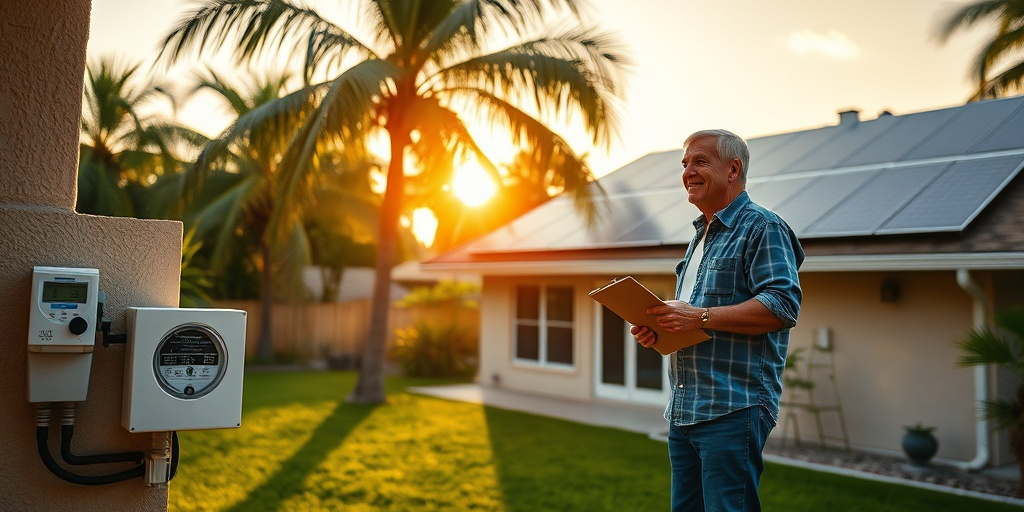
As Florida homeowners increasingly seek ways to enhance their energy independence and reduce rising utility bills, the decision to transition to solar power becomes crucial. Did you know that the state of Florida ranks second in the nation for new residential solar installations, with over 140,000 homes powered by solar energy? Additionally, according to the Solar Energy Industries Association (SEIA), Florida is projected to install 12.3 gigawatts of solar capacity by 2025, reflecting a profound shift in energy consumption patterns. With these impressive statistics in mind, let’s explore the article titled “Grid-Tied vs Off-Grid Systems: Which Solar Solution is Best?” Understanding your options for solar energy in this new era is more critical than ever. In 2025, as energy costs surge and incentives for renewable energy grow, knowing the differences between grid-tied and off-grid solar systems is vital for making informed decisions that benefit both your wallet and the planet.
This article will delve into the nuances of solar energy solutions, specifically focusing on:
- The advantages of grid-tied systems.
- The ins and outs of off-grid solar solutions.
- Common myths debunked for your clarity.
- Best practices for solar installation in Florida.
- Your action plan for going solar in 2025.
Let’s embark on this enlightening journey to empower your solar energy strategy!
Understanding Grid-Tied and Off-Grid Solar Systems: What’s the Difference?
When talking about solar energy solutions, Florida homeowners may often feel overwhelmed by the variety of system options available. Whether intending to take the plunge into solar energy or simply curious about its mechanics, understanding the difference between grid-tied and off-grid solar systems is essential. In a recent case, John and Sarah, a family from Miami, faced soaring electric bills and decided to explore solar energy options. They quickly realized the stark contrasts between grid-tied and off-grid solar systems.
Grid-tied systems, as the name suggests, are connected to the utility grid. Homeowners who opt for this solution can draw power from the grid when their solar panels aren’t producing enough electricity (like at night or on cloudy days), and conversely, they can send excess energy back to the grid, often earning credits or payments from their utility companies. This arrangement offers reliability and flexibility, especially during peak demand seasons. In fact, a grid-tied system can lower your electric bill significantly, with some homeowners achieving up to a 30% reduction on their monthly expenses (SEIA.org).
On the other hand, off-grid systems provide complete energy independence. These systems are entirely self-sufficient and not connected to the utility grid. Homeowners who choose an off-grid solution, like John and Sarah ultimately did, rely solely on their solar energy systems and battery storage to meet their energy needs, which can be particularly appealing in remote areas. However, these systems require a higher initial investment and meticulous planning—especially to ensure you have sufficient energy storage to last through periods of low sunlight.
Advantages of Grid-Tied Solar Systems
- Cost-Effective Installation: Grid-tied systems are generally less expensive to install compared to off-grid systems, primarily because they do not require expensive battery storage.
- Easiest to Maintain: With fewer components and no need for maintenance on batteries, grid-tied systems are easier to manage.
- Net Metering Benefits: Many states, including Florida, offer net metering policies that allow homeowners to receive credit for excess energy produced, which can offset your utility costs even more effectively.
According to the Florida Solar Energy Center, homeowners can take advantage of a 26% federal tax credit on installations made by December 31, 2025. This incentive makes grid-tied systems not only more accessible but also more attractive for Florida homeowners concerned about the financial implications of solar investments.
Challenges of Grid-Tied Solar Systems
- Dependence on the Grid: Being tied to the utility grid means you’re susceptible to its fluctuations, outages, or emergencies.
- Limited Independence: In case of power outages, homeowners with grid-tied systems often experience no power unless they have battery backups.
Despite these challenges, many homeowners are still drawn to the allure of reduced utility costs that grid-tied systems provide. A Gallup poll cited that over 82% of Americans support solar energy initiatives largely due to growing concerns about energy costs and climate change (Gallup.com).
The Allure of Off-Grid Solar Systems
While grid-tied systems boast numerous advantages, off-grid systems cater to a niche audience seeking ultimate energy independence. These systems hold a distinctive appeal for Florida homeowners living in remote areas without reliable access to the grid, providing them with a sustainable means of energy consumption. Off-grid systems produce solar energy collected through photovoltaic panels, which is then stored in batteries for later use. Let’s delve deeper into the workings of off-grid systems, along with their benefits.
Features of Off-Grid Solar Systems
- Complete Energy Independence: Off-grid systems empower homeowners to rely solely on solar energy produced on their property.
- Self-Sufficient Energy Production: Homeowners can store energy in batteries, making it accessible whenever needed, and they won’t be affected by grid outages.
- Remote Area Accessibility: An off-grid solution provides energy access to locations where connecting to the grid would be impractical.
However, off-grid solar solutions do have their drawbacks. Depending on the local climate, homeowners must consider how much sunlight their solar panels will receive throughout the year, and how many batteries they will need to offset energy use during periods of low sunlight. It is recommended that potential off-grid homeowners conduct a rigorous energy audit to determine their actual energy needs before deciding on this system. This is vital to developing a robust off-grid solution that will serve you well in 2025 and beyond.
Off-Grid Homeowner Case Study
A compelling case study involves Jane, a Florida homeowner who decided to embrace solar energy in her retirement. After noticing an increasing dependency on the grid and a recent power outage that lasted over 8 hours, Jane opted for an off-grid solar system. By integrating a robust battery storage solution, she can now run her air-conditioning unit and refrigerator during blackouts. This added safety and independence not only gives her peace of mind but also reduces her electricity costs significantly. Jane’s decision was driven not only by her detachment from the grid but an aspiration to live sustainably and reduce her carbon footprint.
Myths and Realities of Solar Energy
Despite significant strides in solar technology, many misconceptions still influence homeowners’ decisions regarding solar installations. Let’s debunk five pervasive myths regarding solar energy systems to help you determine the best choice for your home.
Myth #1: Solar Power is Only for Warm Climates
Many believe that solar panels only work efficiently in sunny, warm climates. However, modern solar technology has evolved significantly, allowing solar panels to generate energy even under indirect sunlight and a range of weather conditions.
Myth #2: Off-Grid Systems Are Not Reliable
Contrary to popular belief, off-grid systems can be incredibly reliable when appropriately designed with sufficient battery capacity and energy management practices. Once installed correctly, an off-grid system can function seamlessly year-round.
Myth #3: Solar Panels Require More Maintenance than Traditional Energy Sources
In fact, solar panels typically require very little maintenance. Occasionally cleaning, checking performance, and ensuring their installation remains up-to-date can generally fulfill maintenance needs — significantly less than conventional sources of energy which require continual fuel sourcing.
Myth #4: The Installation Cost of Solar is Too High
While the upfront costs of solar installations can be steep, government incentives and financing options have broadened access to solar power for many individuals, making it more accessible than ever.
Myth #5: Solar Power Only Benefits Individuals
Solar energy holds benefits for society as a whole as it contributes to reducing carbon emissions and promoting energy independence. As more individuals switch to solar energy, the overall demand for fossil fuels decreases, positively impacting the environment.
With an abundance of information available, it’s essential for future solar adopters to sift through fact and fiction. Understanding these myths will empower you to make informed decisions.
5 Expert Solar Installation Tips for 2025
As Florida homeowners navigate the road to solar adoption, having the right installation strategy is crucial. Here are five expert tips to ensure a successful installation in 2025:
Tip #1: Do a Comprehensive Energy Audit
Calculate your energy consumption needs by reviewing past electricity bills. This will help you identify how much energy you need to generate, guiding your system size.
Tip #2: Choose Quality Components
Investing in high-quality solar panels, batteries, and inverters can significantly affect your system’s performance and longevity. Research brands and select components with solid warranties and customer reviews.
Tip #3: Optimize Panel Placement
Don’t skimp on panel placement; ensure panels are oriented to receive maximum sunlight. Consult with an expert installer to confirm optimal angles for your specific geographic location.
Tip #4: Plan for Future Needs
Think long-term! If you plan on expanding your family or adding additional electrical appliances, factor these changes into your system size at the outset.
Tip #5: Stay Informed on Local Incentives
Keep abreast of financial incentives that may be available for solar installations. Different programs can change annually, and new ones may be introduced as solar technologies evolve.
Equipped with these tips, you can make informed decisions that align your solar energy strategy with current technologies and trends.
Next Steps for Florida Solar Buyers in 2025
Transitioning to solar energy requires a systematic approach. Here’s a step-by-step action plan to guide Florida homeowners through the process:
Step 1: Audit Your Electric Bill
Compile your recent electric bills to ascertain your average monthly energy usage. Understand your needs clearly — this information is foundational for determining your solar system size.
Step 2: Research Solar Providers
Search for local solar installers that have a solid reputation and customer reviews. A reputable installer can guide you through financing options, panel choices, and the technology appropriate for your specifications — visit floridaelectricandsolar.com for assistance.
Step 3: Compare System Types
Evaluate your energy goals and preferences and assess both grid-tied and off-grid options. Determine which system aligns best with your lifestyle and energy needs.
Step 4: Obtain Multiple Quotes
Contact several installers and request quotes to compare prices, warranties, and components offered. This is crucial for ensuring you receive the best value.
Step 5: Finalize and Proceed with Installation
Once you have selected the right provider and system for your needs, finalize your agreement and prepare for installation. Proper installation is vital to ensure your system operates optimally.
Conclusion: Your Solar Future Awaits
In conclusion, navigating the world of solar energy can initially seem daunting, but understanding the differences between grid-tied and off-grid systems is an empowering first step. As we’ve explored, grid-tied systems offer reliability and cost-efficiency in urban settings, while off-grid systems promise energy independence and sustainability. Armed with this knowledge, and a thoughtful action plan, you are now ready to take advantage of the growing solar incentives and resources available in 2025.
Making the switch to solar encompasses more than just cost savings; it is an investment in your family’s future, the environment, and your community. With the impending rise in energy costs and increasing importance of energy independence, now is the time to take action.
Ready to start your solar journey in 2025? Connect with a certified expert at floridaelectricandsolar.com today and embark on a brighter, more sustainable future!
Related Articles
More insights about Grid-Tied Systems

Grid-Tied vs Off-Grid Systems: What You Need to Know

Grid-Tied vs. Off-Grid Systems: The Essential Solar Comparison Guide

Technical Deep-Dive: Understanding Grid-Tied vs Off-Grid Solar Systems
Ready to Go Solar?
Have questions about solar energy? Our experts are here to help you make the switch to clean, renewable energy.