
Technical Deep-Dive: Grid-Tied vs. Off-Grid Solar Systems Explained
Share:
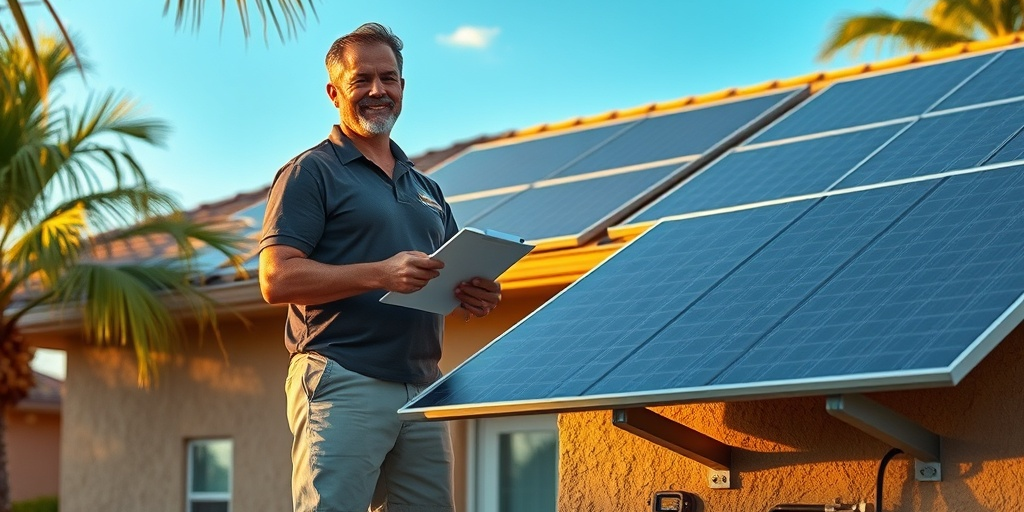
When it comes to harnessing solar energy, understanding the differences between grid-tied and off-grid solar systems can make a significant impact on your decision-making process. Did you know that as of 2022, solar installations in Florida surged by 27%? This showcases the rising trend of solar adoption among Florida homeowners aiming to reduce their electricity costs (SEIA.org). With energy prices set to climb, it is more critical than ever to explore your options for solar solutions that best fit your needs in 2025 and beyond. This is why we’re diving deep into “Technical Deep-Dive: Grid-Tied vs. Off-Grid Solar Systems Explained.”
In this comprehensive article, you’ll uncover the essential distinctions between these two solar system types, gain insights from Florida-based case studies, and discover actionable steps to make informed choices. Furthermore, as electricity rates rise continuously, understanding the appeals and limitations of grid-tied versus off-grid systems could mean the difference between substantial savings and hefty expenses. Throughout our exploration, we will break down the topic into five sections:
Section 1: A deep dive into the advantages and challenges of each system, including real-life case studies from Florida homeowners.
Section 2: A detailed checklist of components and benefits associated with each solar system type.
Section 3: Common myths surrounding solar energy systems debunked to clarify misconceptions.
Section 4: Best practices and unique insights into navigating the choices specific to Florida’s market conditions.
Section 5: Critical next steps for Florida homeowners seeking solar solutions that suit their needs in 2025 and beyond.
As we dig deeper into the nuances of grid-tied vs. off-grid solar systems, it becomes imperative to understand both your energy consumption patterns and the local regulations that govern solar adoption in Florida.
Understanding Grid-Tied vs. Off-Grid Solar Systems
Your choice of solar system—grid-tied or off-grid—can drastically shape your solar experience, costs, and future energy strategy. To exemplify how different choices impact homeowners, let’s explore the story of the Johnson family from Gainesville, Florida.
After years of rising energy bills averaging around $250 per month, Laura, a mother of three, decided she had enough. As a methodical planner, she began researching solar energy options tailored to Florida’s specific climate and incentives. With estimates suggesting a 50% reduction in utility bills for solar adopters, her enthusiasm grew (SolarReviews.com). After educating herself, Laura discovered two main options: grid-tied and off-grid systems.
Laura initially leaned towards an off-grid system, which would allow her to be completely independent from the utility grid. However, after consulting with solar experts, she learned that off-grid systems typically require significant upfront investment and sufficient battery storage to manage daily and seasonal energy needs. An average off-grid installation would cost between $25,000 and $35,000 (NREL.gov)—an expense that made her pause.
Next, she looked into grid-tied solar systems. These systems allowed for lower initial costs, relying on the grid for backup power. Although she wouldn’t be entirely energy-independent, the financial benefits were undeniable; particularly the Federal Solar Tax Credit, which offers a 26% rebate on the installation costs (Energy.gov) until 2025. Laura began to see the wisdom in investing in a grid-tied system. Her decision resulted in a $15,000 reduction in initial costs, along with a system that enabled net metering—allowing her to sell excess energy back to the grid.
This case study exemplifies the appeal of grid-tied systems for many Florida homeowners; they often come with lower costs and quicker payback periods compared to off-grid systems. Here’s a checklist to consider for each system type.
Key Features: Checklist for Grid-Tied and Off-Grid Systems
Here is a simplified checklist to help you evaluate the essential components of each solar system type:
- Step 1: Assess energy needs. Estimate your daily energy consumption to determine the size and type of solar system needed.
- Step 2: Evaluate upfront costs. Research and compare installation costs, incentives, and financing options.
- Step 3: Understand battery requirements. If considering off-grid, calculate how much battery storage you’ll need.
- Step 4: Research net metering policies. Learn your utility’s policies for grid-tied systems, which can help offset installation costs.
- Step 5: Consult solar experts. Reaching out to professionals will provide insights tailored to Florida’s market conditions.
In Florida, homeowners can take advantage of various incentives, such as the 21% average return on investment for solar systems (NREL.gov)—making the exploration of these options both practical and accessible. After outlining the key features and continuing the Johnson family’s journey toward solar adoption, let’s debunk some common myths often associated with solar systems.
Common Myths about Solar Energy Systems: Debunking Misconceptions
With solar power gaining traction, myths and misunderstandings abound, creating unnecessary confusion for prospective buyers.
- Myth #1: Solar systems are too expensive. Although initial installations can be costly, the overall savings from reduced electricity bills, combined with federal and local incentives, can significantly offset upfront expenses.
- Myth #2: You need to live in a sunny area to benefit. Even in partially cloudy conditions, solar panels can still generate electricity. In Florida, sunshine is abundant, with over 260 sunny days a year!
- Myth #3: Solar panels require frequent maintenance. In reality, solar systems are designed to be low-maintenance, requiring only periodic cleaning and inspections.
- Myth #4: Solar energy is only for wealthy homeowners. Many financing options, incentives, and community solar programs make solar more accessible for individuals across financial backgrounds.
- Myth #5: Off-grid systems are the only way to achieve energy independence. In truth, grid-tied systems with net metering can significantly reduce reliance on the utility grid, while still providing backup power from the main grid when needed.
As we address these myths, it’s crucial to recognize the changes in Florida’s solar landscape. With state policies increasingly favoring solar investments, the accessibility and affordability of grid-tied systems will only continue to grow. Now, let’s dive into best practices for homeowners interested in solar installations.
5 Expert Solar Installation Tips for 2025
As 2025 approaches, becoming familiar with best practices can enhance your solar journey. Here are five essential tips to ensure your solar installation is a success:
- Do thorough research: Educate yourself about different solar technologies, panel efficiency, and installer reputations before making a decision.
- Evaluate roof orientation: Consider rooftop angles and their impact on energy production. South-facing roofs typically yield the most sunlight.
- Incorporate energy efficiency: Prioritize energy-saving measures in your home, such as proper insulation and energy-efficient appliances, to maximize solar savings.
- Consider shading effects: Regular trees or structures blocking sunlight can affect panel performance, so ensure your installation maximizes sun exposure throughout the day.
- Plan for battery storage: If leaning toward an off-grid system, calculate your energy needs and invest in adequate battery storage to maintain reliable energy supply during cloudy days.
Real-world data points prove the value of these practices. For instance, households that executed comprehensive energy audits before installing solar saw a 30% reduction in energy usage (SEIA.org). Ready for a real-life example? Let’s explore the journey of another Florida home!
A Fictional Homeowner’s Solar Journey: Overcoming Challenges
Meet Maria, a single mother residing in Sarasota, Florida. Maria wanted to reduce her family’s energy consumption in the face of increasing utility bills and rising prices forecasted for the next few years. She hoped to minimize energy costs and instill sustainable practices for her children. Determined to make the right choice, Maria initially decided on an off-grid system, believing it to be a perfect solution for her family’s immediate needs.
However, after conducting further research, Maria uncovered some significant challenges that could impact her decision:
- High installation costs could exceed her budget, particularly since she would need a large battery bank.
- Weather conditions, particularly tropical storms common in Florida, could affect reliability without a grid connection.
- Limitation to battery storage capacity, making excess energy production during sunny periods difficult to utilize during cloudy days.
- Need for constant management and analysis of energy consumption due to battery-related challenges.
Ultimately, after consultations and recommendations from Florida Electric & Solar, Maria chose a grid-tied system. In return, she achieved reduced upfront costs, infrastructure support from her utility provider, and access to net metering. This decision put her family on a path toward greener energy while maintaining essential savings in a budget-friendly manner.
This narrative highlights the importance of researching different solar options and weighing the pros and cons for individual circumstances. It empowers homeowners with necessary insights as they navigate their solar journey. Finally, let’s outline the essential action plan for Florida homeowners considering solar solutions in 2025.
Next Steps for Florida Solar Buyers in 2025
Now that you understand the differences between grid-tied and off-grid systems, let’s look at actionable steps to guide you on the path toward solar adoption:
- Step 1: Audit your electric bill to understand your energy consumption. This provides a baseline for evaluating your solar needs—a critical first step.
- Step 2: Research local incentives. Florida offers several tax credits and programs that can significantly lower costs associated with solar investments.
- Step 3: Consult with certified solar experts. Speak with professionals to ensure tailored solutions that fit your family’s unique needs.
- Step 4: Review installation timelines. Understand how long the installation process usually takes to align it with your personal schedule.
- Step 5: Monitor performance and maintenance. Once your system is up and running, keeping track of energy production is key to maximizing your investment.
These steps not only ensure that you’re informed but streamline the process of solar adoption. For anyone considering solar in Florida, focusing on a precise action plan will bolster success in navigating the solar landscape.
In conclusion, making the decision to adopt solar energy requires understanding the critical distinctions between grid-tied and off-grid systems. By leveraging knowledge, homeowners can realize substantial energy savings, reduced environmental impact, and enhanced electricity reliability. As the 2025 solar landscape grows increasingly favorable in Florida, there’s no better time to act.
Ready to start your solar journey in 2025? Connect with a certified expert at floridaelectricandsolar.com today.
Related Articles
More insights about Grid-Tied Systems

Grid-Tied vs Off-Grid Systems: What You Need to Know

Grid-Tied vs. Off-Grid Systems: The Essential Solar Comparison Guide

Technical Deep-Dive: Understanding Grid-Tied vs Off-Grid Solar Systems
Ready to Go Solar?
Have questions about solar energy? Our experts are here to help you make the switch to clean, renewable energy.