
Grid-Tied vs Off-Grid Systems: What You Should Know
Share:
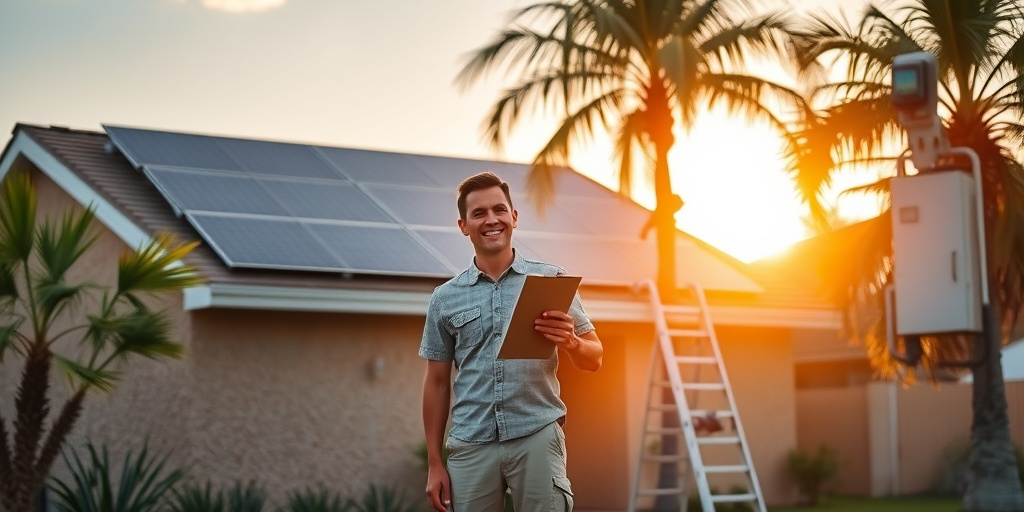
As a Florida homeowner, let’s talk numbers: in 2022, solar energy capacity in Florida reached over 3,300 megawatts, making it the third-largest solar market in the U.S. (SEIA.org). This growth reflects a significant shift toward renewable energy across the Sunshine State. But what does that mean for you? Are you curious about the right solar system to fit your needs? Many Florida residents are weighing options, asking themselves a question that resonates deeply: should I go grid-tied or off-grid? This pivotal decision comes into sharper focus as we look toward 2025, a year projected to bring rising energy costs and a growing hunger for energy independence. In this blog post titled Grid-Tied vs Off-Grid Systems: What You Should Know, you’ll uncover the essential differences between these two systems and discover which one could lead to your ultimate energy savings and performance. We’ll explore various aspects in the following sections:
1. A comprehensive deep dive into grid-tied and off-grid systems, complete with a relatable case study.
2. Specific steps to consider when evaluating your solar options.
3. A myth-busting segment that separates fact from fiction.
4. Insights into how Florida’s unique landscape affects your choices.
5. An actionable plan to get started on your solar journey.
Understanding the nuances of grid-tied vs off-grid systems is crucial for making an informed decision, particularly in 2025 when energy concerns might rise to an all-time high. By the end of this journey through the solar landscape, you will have a clearer picture of what works for your family or business. Shall we dive in?
Case Study: The Browning Family’s Solar Decision
Meet the Browning family of Orlando, Florida. Like many homeowners, Jessica and Tom Browning were concerned about rising electric bills and frequent power outages during summer thunderstorms. Educated on the costs associated with traditional energy sources, they knew something had to change. They began researching their solar options and quickly came to a crossroads: should they install a grid-tied or off-grid solar system?
The Browning family decided to consult with local solar experts and learned that both systems have unique advantages and challenges. Grid-tied systems connect to the local utility grid, allowing them to pull from and contribute energy seamlessly. This flexibility appealed to them due to Florida’s sunny weather, which can produce excess energy during peak hours. On the other hand, they discovered that an off-grid solar system would rely solely on their solar panels and battery storage, providing them complete energy independence, a particularly enticing prospect given Florida’s unpredictable storms.
Over several discussions and analyses, the Browns created a checklist to assess their energy needs, potential savings, and what system best aligned with their family lifestyle:
- Energy Needs: They calculated their average monthly electricity usage, noting key spikes during summer.
- Budget: With rising energy costs, they compared the initial investment versus long-term savings.
- Utility Policies: They researched net metering policies in Florida, which offers credit for energy fed back into the grid.
- Environmental Impact: They looked deeper into the sustainability benefits of off-grid living versus grid-tied options that still rely on coal and gas.
- Resilience: They considered potential power outages and how both systems could affect their energy availability.
Once they had their checklist, the Browning family discovered through various sources that Florida currently has over 431,000 solar installations as of 2022, many of which are grid-tied (SEIA.org). This prevalence gave them confidence in choosing grid-tied solar but raised concerns about independence during storms. Ultimately, they went for a hybrid approach, incorporating battery storage to back up their grid-tied system, thereby creating a clever balance between reliability and self-sufficiency.
This story illustrates the complexities involved in choosing between grid-tied vs off-grid systems. We see that decisions are based not merely on energy economics but also on individual lifestyle, readiness for change, and climate factors inherent in Florida’s unique environment. As we transition further, let’s explore a systematic checklist to help you make informed choices on solar energy systems.
Step-by-Step Checklist for Evaluating Your Solar Options
Ingrid’s solar journey demonstrates the complexities involved in the grid-tied versus off-grid systems. To simplify this decision-making process for you, we’ve created a structured checklist to guide you in evaluating your solar energy needs.
- Step 1: Assess Your Energy Usage – Calculate your average electricity consumption over a year, focusing on months when your usage jumps, typically during the heat of summer. Websites like floridaelectricandsolar.com can help you interpret your electric bills.
- Step 2: Understand Local Policies and Incentives – Dive into Florida’s net metering policy and discuss your options with local solar consultants. This understanding will help you gauge the viability of both grid-tied and off-grid solutions.
- Step 3: Determine Your Budget – Account for both initial installation costs and long-term savings. Evaluate financing options and possible federal or state incentives available for solar adoption in Florida.
- Step 4: Research System Technologies – Look deeper into inverters, panel types, and battery systems. Solar technology is rapidly evolving; gaining insight here can significantly impact your project’s outcome.
- Step 5: Evaluate Lifestyle Compatibility – Consider how much autonomy you desire. Do you want to remain connected to the grid for added reliability, or are you aiming for complete energy independence?
This checklist provides a straightforward framework to assess your energy needs, budget, and technology while considering the local context that affects both grid-tied and off-grid systems. Equipped with this information, you’ll approach the solar installation process more confidently.
Myth-Busters: Truth About Solar Systems
Now that we have streamlined your evaluation process, let’s address some common myths that may cloud your judgment when considering grid-tied vs off-grid systems.
Myth #1: Off-grid systems are only for remote locations.
While off-grid systems are ideal for remote areas, they can also be effective in urban settings, especially for those who want independence from grid fluctuations and rising utility prices.
Myth #2: Grid-tied systems are more expensive.
This can often be misleading. While the initial investment can be competitive, grid-tied systems usually come with consistent utility savings through net metering, allowing excess energy to be sold back to your utility provider.
Myth #3: Solar panels can’t work well in cloudy weather.
Though sunlight is essential for solar energy generation, panels still produce electricity on cloudier days. In Florida, where sunlight is abundant, this myth simply does not hold water.
Myth #4: You must go completely off-grid to benefit from solar.
In fact, many Floridians benefit from grid-tied systems that allow connection to the grid while enjoying the savings from solar power. Each option has benefits that can be combined for your specific needs.
Myth #5: Switching to solar energy means a significant lifestyle change.
Many homeowners are surprised to learn that minimal adjustments are needed to utilize solar energy effectively. Through careful planning with local installers, the transition can be smooth and beneficial.
By debunking these myths, you can better assess the options available to you without preconceived notions holding you back. With facts in hand and data from credible sources, such as the Solar Energy Industries Association, you’re now more prepared to engage with the solar community actively.
Florida’s Unique Landscape: How It Affects Your Solar Choices
The unique attributes of Florida, often hailed for its abundant sunshine, play a vital role in your choices between grid-tied and off-grid solar systems. Various environmental, policy, and geographical aspects contribute significantly to a successful solar investment.
Let’s delve into how these factors influence your decision:
- Sunshine Hours: Florida boasts an average of 264 sunny days per year, creating favorable conditions for solar energy generation.
- State Incentives: In 2022, Florida ranked among the top states for renewable energy incentives, making solar panel installation more affordable with reduced costs through rebates and tax benefits (SEIA.org).
- Power Outages: Given frequent storms, including hurricanes, Florida residents often consider battery-backed solutions. This influences the decision toward grid-tied systems with battery storage to ensure energy availability during outages.
- Utility Regulations: Understanding the utility landscape, including net metering policies, can sway decisions toward grid-tied options, where excess energy can be compensated financially.
- Environmental Impact: With water scarcity and ecological concerns, embracing solar energy contributes to protecting Florida’s unique ecosystems while promoting sustainability.
This all paints a picture of how Florida’s unique landscape will affect your choices. With extensive solar viability and generous state incentives, the sun-soaked state offers ripe opportunities for energy independence through solar systems.
Next Steps for Florida Solar Buyers in 2025
As we wrap up this deep dive into grid-tied vs off-grid systems, the journey does not end here. Making informed energy decisions is crucial, and you’re now armed with knowledge from your examination so far. Here are the actionable next steps you should prioritize as you move toward your solar installation in 2025.
- Step 1: Audit Your Electric Bill – Begin tracking your monthly electricity consumption to know how much energy you need to offset through solar. Calculate your average kilowatt hours and peak usage months.
- Step 2: Research Local Installers – Find quality local solar companies that can guide you through the grid-tied and off-grid options. They will access solar technology’s latest advancements and help navigate financial incentives.
- Step 3: Schedule a Consultation – Engage with an installer or consultant to assess your specific needs. Collect estimates focusing on both grid-tied and off-grid options, considering battery backup systems where necessary.
- Step 4: Keep Track of Legislative Changes – Stay informed about Florida state policies which may impact solar energy incentives and regulations. This can include new laws that affect net metering or potential rebates.
- Step 5: Evaluate Financing Options – Research loan, lease, and power purchase agreement (PPA) options that can lower your barriers to entry and help you maximize your solar investment.
Taking these steps will facilitate a smoother transition as you approach your solar installation process in 2025. Florida offers incredible potential for homeowners seeking sustainability amid rising energy costs. Begin your preparations today and embrace a more empowering energy future.
In conclusion, your understanding of grid-tied vs off-grid systems has undergone a metamorphosis throughout this blog post. By evaluating energy needs, overcoming myths, and understanding the environmental landscape, you are far better equipped to pursue solar energy with confidence. The urgency to switch to solar energy has never been clearer as prices rise, making it vital to act sooner rather than later. Moreover, considering your family’s or business’s long-term energy independence can transform your future — both financially and environmentally.
Ready to start your solar journey in 2025? Connect with a certified expert at floridaelectricandsolar.com today.
Related Articles
More insights about Grid-Tied Systems

Grid-Tied vs Off-Grid Systems: What You Need to Know

Grid-Tied vs. Off-Grid Systems: The Essential Solar Comparison Guide

Technical Deep-Dive: Understanding Grid-Tied vs Off-Grid Solar Systems
Ready to Go Solar?
Have questions about solar energy? Our experts are here to help you make the switch to clean, renewable energy.