
Grid-Tied vs. Off-Grid Systems: A Comprehensive Breakdown
Share:
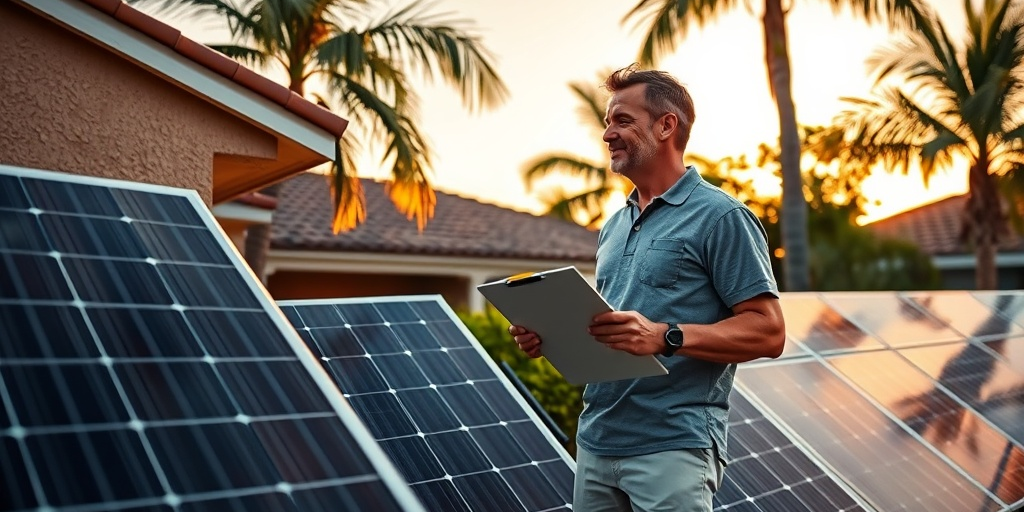
In a world where energy costs are soaring and reliability seems increasingly elusive, many Florida homeowners are asking a critical question: “Should I opt for a grid-tied or an off-grid solar system?” The answer is not just about saving money; it’s deeply tied to how you wish to live, the resilience you want from your energy source, and the environmental footprint you wish to leave behind. This essential inquiry underpins our blog post titled “Grid-Tied vs. Off-Grid Systems: A Comprehensive Breakdown.” As Florida stands on the cusp of significant energy transformation in 2025, understanding these two options will empower you to take control of your energy future. With Florida ranking third in rooftop solar potential and facing increasing utility rates, now is the time to make an informed decision (SEIA.org). Moreover, new 2025 incentives for solar installations add urgency to these choices (Energy.gov). In this post, we will discuss five key sections: a detailed analysis of grid-tied systems, the appeal and drawbacks of off-grid systems, common myths surrounding these systems, state-specific considerations for Florida homeowners, and actionable steps for embarking on your solar journey this year.
Understanding Grid-Tied Systems: A Deep Dive
Imagine a family living in Orlando, Florida, enjoying sunny days and producing clean energy through their newly installed solar panels. They decided on a grid-tied system for its apparent benefits of financial savings and reliability. The family, known as the Smiths, could save approximately $1,000 annually on their electricity bills, thanks to net metering programs. These programs allow homeowners to sell excess energy back to the grid, effectively offsetting energy costs (SolarReviews.com).
But the choice of a grid-tied system isn’t without its considerations. To truly understand the advantages, here’s a checklist you can use:
- Step 1: Analyze your electricity usage. Examine your bills from the past twelve months to identify consumption patterns.
- Step 2: Evaluate your roof’s solar potential. Is it structurally sound? Does it face the right direction?
- Step 3: Research local solar incentives. Florida’s net metering can significantly enhance savings.
- Step 4: Compare installation costs and financing options. Ensure to ask about warranties and support.
- Step 5: Consult trustworthy solar providers like floridaelectricandsolar.com for quotes and projections.
Now let’s debunk some prevalent myths about grid-tied systems:
- Myth #1: Grid-tied systems are unreliable. Contrary to this belief, while grid-tied systems do rely on the grid, they can integrate with battery backups for further security.
- Myth #2: You cannot sell back energy if you have a grid-tied system. In Florida, net metering allows you to sell excess energy back to the grid, which can lead to substantial savings.
- Myth #3: Grid-tied systems are only viable in sunny areas. While Florida is an excellent place for solar, effective systems can also function in less sunny climates.
Technically, grid-tied systems utilize inverters to convert solar energy into electricity that homes can use. Any excess energy produced can push back onto the grid, a feature that makes grid-tied systems appealing financially. However, these systems are vulnerable to outages; when the grid goes down, so does your solar system unless equipped with battery storage. For most Florida homeowners, this trade-off is an acceptable risk, especially when combined with the state’s favorable solar policies. Additionally, a study found that households with grid-tied systems increased their property values comparably to those with energy-efficient upgrades (NREL.gov).
In summary, grid-tied systems are well-suited for Florida homeowners who prioritize savings and are willing to accept some reliance on the grid. But are off-grid systems the way to go for complete independence?
The Appeal and Drawbacks of Off-Grid Systems
For many, the notion of complete energy independence is tantalizing. Off-grid systems provide homeowners in Florida an escape from traditional utility reliance. Picture the Thompson family in Naples, who turned their back on the grid and embraced the off-grid lifestyle. They implemented a complete solar system, incorporating battery storage, ensuring they have energy available even at night or during cloudy days.
However, the allure of living off-grid comes with its challenges. To understand these systems, let’s break down their features:
- Energy Independence: With off-grid systems, you are not subject to utility prices or outages, which can be particularly valuable during hurricane season.
- Autonomy: You can produce and consume energy based on your needs, without jeopardizing your daily life due to grid instability.
- Potentially Higher Initial Costs: Investing in batteries and additional equipment can make off-grid systems more costly initially than grid-tied alternatives.
- Maintenance: Off-grid homeowners need to actively monitor and maintain their systems to ensure they function efficiently year-round.
- Sustainability Considerations: Off-grid systems encourage more sustainable energy consumption habits and lessen your carbon footprint by optimizing the utilization of renewable energy sources.
While off-grid systems can be tailored to meet varying energy needs, it’s essential to plan ahead. Florida’s climate, particularly during the rainy season, can challenge energy production, making proper system sizing crucial. As the Thompsons learned, ensuring they had enough battery storage for cloudy periods became vital for their lifestyle, impacting their initial system design. On average, homeowners may need upwards of 20-30% excess battery storage to cater to fluctuations in energy supply (SEIA.org).
In conclusion, off-grid systems represent a lifestyle choice that affords homeowners freedom from utility constraints, but it requires careful planning, investment, and ongoing commitment to maintenance. Is this the right route for you, or does the grid-tied system still make more sense?
Myth-Busting: Common Misconceptions about Solar Systems
When it comes to solar energy, misinformation can muddle crucial decisions. Let’s clear the air by dispelling these pervasive myths about grid-tied and off-grid systems.
- Myth #1: Solar panels don’t work in cloudy weather. Truth is, solar panels can still generate electricity under cloudy conditions. In fact, solar panels can generate up to 25% of their rated capacity on cloudy days (Energy.gov).
- Myth #2: You need a perfect roof to install solar. While an ideal roof is beneficial, many systems can be installed on less-than-ideal configurations, including flat or south-facing roofs.
- Myth #3: Solar energy is only for environmentalists. On the contrary, going solar is a smart financial decision for any Florida homeowner looking to reduce energy costs and increase home value.
- Myth #4: Battery storage for off-grid systems is excessive. At a time when hurricanes cause frequent outages, battery backup offers peace of mind—and Florida homeowners can typically obtain substantial savings when energy prices surge.
- Myth #5: Solar installations are too costly to be worthwhile. The average cost of solar has decreased significantly—about 70%—over the past decade, and many Florida homes qualify for federal, state, and local incentives that can cover substantial costs (Energy.gov).
As myths evaporate, it becomes clearer how both grid-tied and off-grid systems can fit into the lifestyle of Florida homeowners. Each option has unique features that speak to various needs. But as you consider these options, also reflect on local legislation and incentives that favor solar energy, particularly for those considering an investment in 2025.
Next Steps for Florida Solar Buyers in 2025
Taking the leap into solar energy can feel daunting, but equipped with knowledge, you can navigate this landscape with confidence. Here’s how to proceed:
- Step 1: Audit Your Electric Bill. Gather your energy consumption data to assess what type of solar system makes the most financial sense.
- Step 2: Research Your Options. Consider factors such as upfront costs, financing options, and local incentives that could shape your overall investment.
- Step 3: Assess Space and Roof Quality. Determine if your property has enough sunlight exposure and space for solar installation, which affects system design.
- Step 4: Consult Professionals. Reach out to reputable solar companies, including floridaelectricandsolar.com, for quotes and advice tailored to your unique energy needs.
- Step 5: Take Advantage of Incentives. Be aware of the current financial incentives available, including state tax benefits, federal rebates, and local utility programs that can significantly offset costs.
By following these steps, Florida homeowners can make informed decisions that align with their energy needs, risk tolerance, and long-term goals. Both grid-tied and off-grid systems present compelling benefits, and understanding those will empower you to maximize your investment.
Conclusion: The Future of Solar in Florida
The decision between grid-tied and off-grid systems is both deeply personal and pivotal for Florida homeowners. As we journey through 2025, rising energy costs, the threat of climate change, and advancements in solar technology make this decision even more critical. Whether you desire a connection to the grid for easy integration or crave the independence of an off-grid lifestyle, the choice you make will not only impact your monthly expenses but also your family’s future.
As you ponder your options, remember the shared experiences of those like the Smiths and the Thompsons—both families took decisive steps towards energy independence in Florida, securing their financial futures. The urgency to connect with trusted resources cannot be overstated; with investment incentives on the horizon, now is the time to explore solar energy options further.
Ready to start your solar journey in 2025? Connect with a certified expert at floridaelectricandsolar.com today.
Related Articles
More insights about Grid-Tied Systems

Grid-Tied vs Off-Grid Systems: What You Need to Know

Grid-Tied vs. Off-Grid Systems: The Essential Solar Comparison Guide

Technical Deep-Dive: Understanding Grid-Tied vs Off-Grid Solar Systems
Ready to Go Solar?
Have questions about solar energy? Our experts are here to help you make the switch to clean, renewable energy.