
Grid-Tied vs Off-Grid Systems: An In-Depth Comparison
Share:
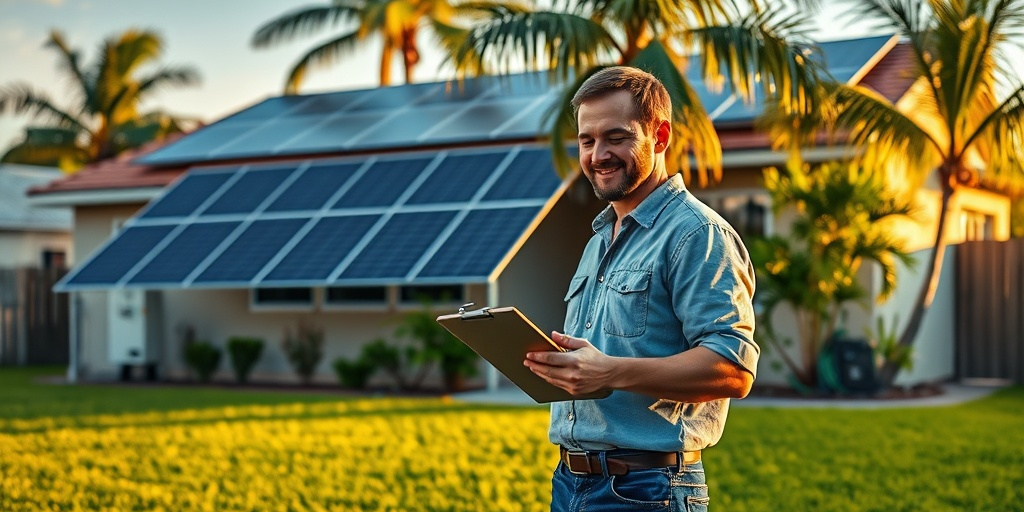
In an age where the clamor of rising energy costs is becoming a harsh reality for Florida homeowners and businesses alike, the pursuit of energy independence through solar power has never been more appealing. Did you know that in 2025, analysts predict that installation costs for solar panels will drop by up to 20%, making solar energy more accessible than ever? This significant reduction could represent substantial savings for those considering their solar options (SEIA.org). With this backdrop, understanding the critical differences in “Grid-Tied vs Off-Grid Systems: An In-Depth Comparison” is not just beneficial; it’s essential for making informed energy choices. Should you remain connected to the grid, or take the plunge into complete independence from traditional utility sources? This post will delve into the nuances of both systems, empowering you to identify which technology suits your energy needs best.
As we venture into 2025, new solar incentives and policies are emerging, encouraging even more Floridians to turn to renewable energy. The state ranks third in solar capacity in the nation, hosting over 2.5 million solar panels, which translates to a significant opportunity for savings and sustainability (SolarReviews.com). This blog post will dissect the comparative advantages and disadvantages of grid-tied and off-grid solar systems, setting the stage for homeowners and businesses to make educated decisions in their solar journeys. In the sections ahead, we’ll cover:
- An emotionally charged case study illustrating the transition experience of a Florida homeowner.
- A practical checklist for selecting the best solar system for your needs.
- Myth-busting common misconceptions surrounding solar energy systems.
- Insights on local Florida policies, statistics, and trends affecting solar energy.
- A technical deep-dive into the mechanics of solar systems—what every Florida homeowner should know.
A Case Study: The Journey of a Florida Homeowner Transitioning to Solar
Meet Carlos and Maria, a lovely family who live in Sarasota, Florida. Tired of skyrocketing electricity bills and concerned about their carbon footprint, they began to explore solar energy options. After extensive research, they found themselves grappling with a critical decision: opt for a grid-tied or an off-grid solar system?
After consulting with experts, the couple decided on a grid-tied solar system. This choice appealed to them for several reasons:
- Lower initial investment: Grid-tied systems are typically less expensive to install because they do not require large battery storage systems.
- Net metering benefits: In Florida, homeowners can earn credits for excess energy produced. This means they could save money on their future electric bills.
- Efficient energy usage: They can tap into energy from the grid when their solar system isn’t producing enough power, ensuring consistent energy availability.
After installation, Carlos and Maria noticed a remarkable change. Their monthly electricity bills plummeted by 50%, allowing them to invest in their children’s education while enjoying a cleaner environment. They’ve become advocates for solar energy in their community, sharing their successful transition story with friends and neighbors.
Transitioning their home to solar power not only benefited the local environment, but it also positively impacted their family’s finances and quality of life. Their story epitomizes how solar energy can be a transformative force in the lives of everyday Floridians.
However, it’s essential to realize that Carlos and Maria’s experience may not be universal. For some homeowners, off-grid systems may present a more suitable alternative. Let’s delve into the practical checklist for making that determination.
Your Essential Checklist for Choosing Between Grid-Tied and Off-Grid Systems
The decision between a grid-tied and an off-grid solar system is an important one that requires consideration of various factors. Here’s a handy checklist to guide you through the decision-making process:
- Step 1: Assess Your Energy Needs
Begin by analyzing your current energy consumption. Review past utility bills to get a comprehensive understanding of your usage patterns. Understanding how much energy you typically require will inform your system size and type decisions. - Step 2: Determine Your Budget
Determine how much you’re willing to invest in solar energy. Remember that grid-tied systems usually have lower installation costs compared to off-grid systems due to the absence of extensive battery systems. - Step 3: Consider Future Needs
Consider potential future changes in your energy requirements. If you plan to expand your family or add high-energy appliances, that can influence which system is more feasible. - Step 4: Evaluate Location and Accessibility
The geographical context of your residence can influence this decision. Homes in remote locations may benefit from off-grid systems, while urban dwellers might find grid-tied systems more practical. - Step 5: Research Local Incentives
Look into Florida-specific solar incentives and utility programs. For instance, net metering laws can significantly reduce costs for grid-tied homeowners, while off-grid systems might be eligible for other types of incentives.
Using this checklist puts you on the right path toward making a well-informed decision regarding your solar system. Transitioning to renewable energy can not only provide you with substantial savings over time, but it also contributes positively to environmental sustainability.
Myth-Busting Common Misconceptions about Solar Energy
As you embark on your solar journey, it’s crucial to separate fact from fiction. Here are some common myths that often deter potential solar energy adopters:
- Myth #1: Solar Panels Don’t Work Effectively on Cloudy Days
While it’s true that sunny days yield the most energy production, solar panels can still generate electricity during cloudy or rainy weather, albeit at a lower efficiency level. In fact, many regions with overcast weather have successfully adopted solar. - Myth #2: Going Off-Grid Means Living Without Electricity
Some believe that living off-grid equates to limited or no access to electricity. However, modern off-grid systems, powered by batteries, can store ample energy to meet all household needs without reliance on the grid. - Myth #3: Solar Energy is Too Expensive
Many people assume solar energy is prohibitively expensive. However, with the decrease in solar panel prices and the introduction of various federal and state incentives, the investment can be affordable and even lucrative over time. - Myth #4: Solar Panels Can’t Increase a Home’s Value
Studies have shown that homes equipped with solar energy systems can sell for more than those without. In fact, properties with solar can increase 3-4% in value, appealing to eco-conscious buyers. - Myth #5: Solar Energy Systems Require Constant Maintenance
While some maintenance is required, such as occasional cleaning, solar systems are generally low-maintenance and highly durable. Most quality solar panels last between 25 to 30 years with minimal upkeep.
By debunking these myths, we encourage you to harness the transformative power of solar energy. Embrace the avalanche of authentic knowledge surrounding solar technology, which can lead the way toward eventual independence from traditional energy sources.
The Solar Landscape in Florida: Policies and Trends
As a Florida homeowner, understanding local energy policies and trends is key to maximizing your solar investment. Numerous dynamic factors come into play, making the Sunshine State a prime candidate for renewable energy adoption. Here are some noteworthy considerations:
- Solar Access Laws: Florida’s solar access laws grant homeowners the right to install solar energy systems without obstruction from homeowners’ associations, ensuring your ability to maximize solar savings without hindrance.
- Net Metering: Florida’s net metering policy allows homeowners to receive credit for surplus energy they feed back into the grid, effectively lowering future electric bills. This is a significant advantage for grid-tied systems.
- Incentives and Rebates: The state offers various financial incentives that could help offset your solar installation costs (SEIA.org). These benefits make solar energy more economical and accessible for homeowners.
With the current trend toward greater sustainability and reliability, analysts predict that Florida’s solar capacity will continue to grow, potentially adding 40% more capacity from 2023 to 2025 (Energy.gov). Increasing awareness of climate change and rising energy prices will likely accelerate this trend, propelling more homeowners to transition to solar energy.
Understanding the local landscape positions you to make informed decisions in your solar journey, ultimately leading to increased energy savings and lowered carbon footprints.
Technical Deep-Dive: The Anatomy of Solar Systems
To truly appreciate your options, a technical deep-dive into the mechanics of solar systems—specifically grid-tied and off-grid—will help clarify these technologies. Let’s break down key components that characterize both systems.
- Solar Panels: The most recognizable component, solar panels convert sunlight into electricity. Grid-tied systems typically use fewer panels due to their connection to the grid, whereas off-grid systems may require more to accommodate energy storage needs.
- Inverters: These devices convert the Direct Current (DC) generated by solar panels into Alternating Current (AC), which powers your home. Grid-tied systems use grid-tie inverters, while off-grid systems utilize off-grid inverters with integrated battery management.
- Battery Storage: Essential for off-grid systems, batteries store excess energy for later use. The type and size of batteries vary based on energy needs, and users must account for replacement costs roughly every 5–10 years.
- Monitoring Systems: Both systems can include monitoring systems that allow users to track energy generation and consumption. These tools are valuable for optimizing performance and ensuring the longevity of solar components.
- Connection to the Grid: Grid-tied systems require a connection to your local utility, allowing you to overflow energy production back to the grid, while off-grid systems are completely independent and maintain their energy production.
Understanding these components gives you a more technical perspective on solar energy systems, empowering you to make an informed choice on the most appropriate solar system for your needs.
Next Steps for Florida Solar Buyers in 2025
Ready to take the plunge into solar energy? Understanding your options is crucial to maximizing your investment. Here’s a clear and actionable plan to guide your next steps:
- Step 1: Audit Your Electric Bill
Start by analyzing your electric usage to understand your typical energy consumption. This is vital in determining the size and type of system you need. - Step 2: Research Solar Companies
Identify reputable solar companies in your area. Seek out reviews and testimonials from previous clients to ascertain quality and reliability. - Step 3: Schedule Consultations
Arrange consultations with several solar energy companies to receive efficiency evaluations and quotes. Ask about installation timelines, warranties, and maintenance services. - Step 4: Evaluate Contracts
Review the contracts and ensure you understand all terms, fees, and policies, particularly around warranties, guarantees, and potential hidden costs. - Step 5: Make Your Decision
Choose the best solar system based on your energy needs, and take action to start your solar journey!
Energizing your journey toward solar independence aligns with reducing your environmental impact while leading you to financial savings and stability for years to come.
In conclusion, as a Florida homeowner or commercial property owner, now is the time to embrace solar energy and make the informed choice between grid-tied and off-grid systems. Understanding the critical differences allows you to tap into substantial energy savings and take control of your energy future. The financial and environmental benefits of solar systems are more significant than ever in 2025. By analyzing your needs and leveraging available resources, you can transition to renewable solar energy efficiently. Don’t wait—seize the opportunity for energy independence today!
Ready to start your solar journey in 2025? Connect with a certified expert at floridaelectricandsolar.com today.
Related Articles
More insights about Grid-Tied Systems

Grid-Tied vs Off-Grid Systems: What You Need to Know

Grid-Tied vs. Off-Grid Systems: The Essential Solar Comparison Guide

Technical Deep-Dive: Understanding Grid-Tied vs Off-Grid Solar Systems
Ready to Go Solar?
Have questions about solar energy? Our experts are here to help you make the switch to clean, renewable energy.