
Grid-Tied vs Off-Grid Systems: A Technical Deep-Dive into Your Options
Share:
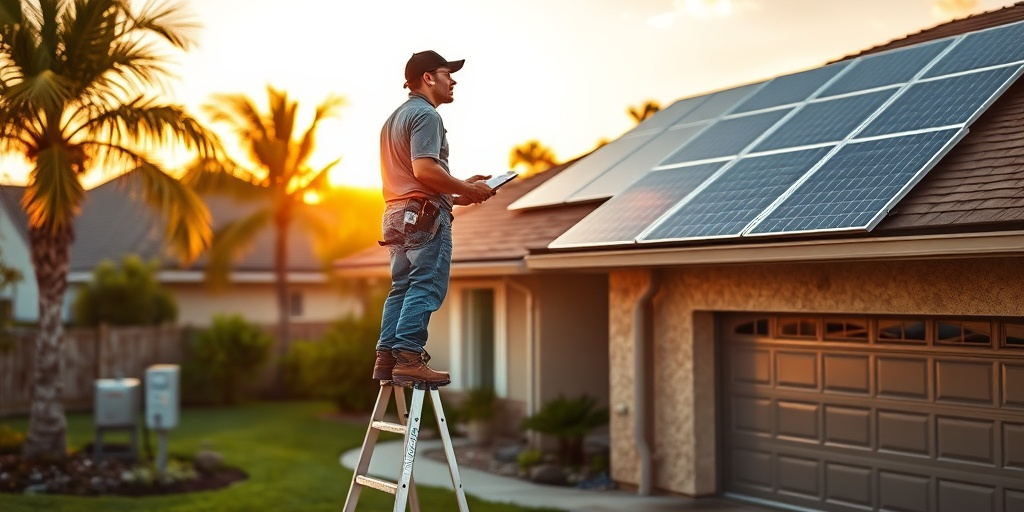
In recent years, solar energy has burst into the mainstream, driven by new technology and the urgent need for sustainable solutions. Did you know that as of 2021, approximately 7.7% of all electricity in Florida came from solar energy—a figure expected to soar as utility companies adapt to rising demand and environmental concerns? That’s right; the sunshine state is increasingly becoming a leader in renewable energy, especially with projections that show energy costs could rise by 30% in the next five years (Energy.gov). As a Florida homeowner or commercial property owner, understanding your options when going solar is more important than ever—particularly in 2025. In this article, we will conduct a thorough exploration with our focus being on **”Grid-Tied vs Off-Grid Systems: A Technical Deep-Dive into Your Options.”** You’ll learn how each of these systems impacts your energy needs, costs, and lifestyle as you decide to harness the power of the sun.
But that’s not all. The increasing instances of extreme weather—hurricanes, floods, and even droughts—highlight the need for energy security and resilience. In 2025, more Floridians are anticipated to turn their eyes toward this renewable energy resource, making it critical to understand how to effectively manage energy independence and costs through the right choice of solar systems. In this article, we will cover five key sections that will enable you to make an informed decision:
1. **Grid-Tied Systems: Understanding the Basics**
2. **Off-Grid Systems: Living Independently**
3. **Myth-Busting Common Misconceptions About Solar Energy**
4. **Practical Tips for Choosing the Right System in Florida**
5. **Your Action Plan for a Successful Solar Transition**
Let’s dive in and illuminate your understanding of grid-tied vs. off-grid systems!
Grid-Tied Systems: Understanding the Basics
When thinking about solar energy, many consumers are torn between going completely off-grid or choosing a grid-tied system. To provide clarity, let’s take a look at a typical grid-tied experience.
Consider the Smith family from Orlando, Florida. After several months of exorbitant electric bills, they made the plunge into solar energy with a grid-tied system. Equipped with a 10 kW solar panel array, they swiftly transformed their home into a renewable energy hub. Their transition not only resulted in significant savings but also infused their home with energy independence during the sunny months.
Grids allow you to operate your solar panels while remaining connected to utility companies. Some critical aspects to understand are:
- Bi-Directional Metering: Your solar power system can send excess energy back to the grid, allowing you to receive credit for future energy usage—this is significant in reducing your net energy costs (SEIA.org).
- Utility Reliability: In Florida, where hurricanes can occur, remaining connected to the grid means you have a backup energy source during times of emergency.
- No Battery Requirements: Most grid-tied setups do not necessitate battery systems, which can lead to a lower upfront cost and a simpler installation.
However, to reap the benefits of a grid-tied system, there are a few things to keep in mind. Here’s a quick checklist that homeowners should consider before choosing this system:
- Step 1: Assess your typical energy usage and peak demands.
- Step 2: Research local utility rates and terms for net metering policies.
- Step 3: Evaluate shading from trees or nearby buildings that could impact system efficiency.
- Step 4: Look into potential incentives from your local government.
- Step 5: Consult with certified solar advisors to explore financing options.
Knowing the ins and outs of grid-tied systems can open doors to sustainable living. If you need further assistance, please visit floridaelectricandsolar.com for tailored advice!
Next, we’ll explore a way to gain greater energy independence: off-grid systems.
Off-Grid Systems: Living Independently
Living off-grid presents an attractive alternative for homeowners looking for complete energy independence. Unlike grid-tied systems, these setups allow individuals to entirely detach from the utility grid and rely on solar energy alone. Imagine not having to worry about fluctuating utility rates and fees! This is the reality for the Garcia family in rural Florida, who chose an off-grid system consisting of a solar panel array, a battery bank, and essential inverters.
The Garcias’ off-grid system has allowed them to not only significantly reduce their carbon footprint but also avoid energy costs altogether. Here are core components to understand about off-grid systems:
- Battery Storage: An integral aspect of off-grid living, batteries store solar energy for use during low sunlight periods or at night. While this requires a larger upfront investment, it pays off in energy independence.
- Inverter Technology: Inverters must be capable of handling variable power loads, which can be critical for those relying solely on their solar setup.
- Energy Management: With complete autonomy comes the need for rigorous energy management practices, such as monitoring energy consumption and minimizing waste.
While the idea of going completely off-grid may sound appealing, there are several challenges, especially for Florida homeowners:
- Space Requirements: Adequate property size is necessary for installing solar panels and battery storage, which may not fit in all residential locations.
- Higher Initial Costs: The overall investment for an off-grid system tends to be higher than grid-tied setups. Factors such as battery technologies and inverters lead to increased upfront costs.
- Maintenance: Off-grid systems can require more hands-on upkeep as less external support is available.
Ultimately, understanding off-grid systems can empower you as a homeowner. However, prudent planning is necessary before committing to such a lifestyle. To simplify your journey, be sure to check floridaelectricandsolar.com for expert insights! Next, let’s break down some common myths around solar energy that could influence your decision.
Myth-Busting Common Misconceptions About Solar Energy
When it comes to solar energy, myths abound, often leading to confusion and skepticism among homeowners. Let’s take a bold steer against these notions with clarifications based on factual data.
Myth #1: Solar Energy is Too Expensive to Install.
While initial costs can seem high, recent surveys indicate that over 80% of homeowners recoup their investment within the first five to seven years (Energy.gov). Additionally, numerous financing options, including tax credits and rebates, can lighten the financial burden.
Myth #2: Solar Panels Only Work in Sunny Areas.
This misconception stems from misunderstanding solar panel efficiency; modern solar technology captures energy effectively even in less-than-ideal conditions. Florida, with its ample sunlight, happens to be an excellent candidate, but solar systems can work well in cloudy areas too (SolarReviews.com).
Myth #3: Solar Requires a Lot of Maintenance.
Most solar panel systems are designed to require minimal maintenance over their lifespan. Annually cleaning and periodic inspections often suffice to optimize performance.
Myth #4: I Can’t Go Solar Because of My Roof.
While roof type and orientation do impact performance, ground-mounted systems are also viable in many Florida properties. With expert consultation, adaptations can be made to suit various structures.
Myth #5: Solar Energy Isn’t Reliable.
This statement is simply false. With an adequate battery storage solution in place or by staying connected to the grid, you will have access to energy even during outages or nighttime.
Equipped with this knowledge, you can now navigate your solar options more confidently. For personalized consultations, reach out to experts at floridaelectricandsolar.com. In our following section, we’ll touch on practical tips for selecting the right system for your needs.
Practical Tips for Choosing the Right System in Florida
As you progress in your solar journey, there are best practices that can streamline your decision-making process. By focusing on essential factors, you can efficiently pick a solar system that meets your energy needs and goals.
Here are 5 expert solar installation tips for 2025:
- Investigate Local Incentives: Many states, including Florida, offer various incentives for installing solar systems. Always remain updated on rebate programs, net metering policies, and tax credits that can mitigate costs.
- Know Your Energy Consumption: Analyze your electric bills to determine your energy usage patterns. Understanding peak times of consumption helps tailor your solar system’s size accurately.
- Evaluate Different Financing Options: Examine the landscape for solar loans, Power Purchase Agreements (PPA), or leasing options. Each has its benefits and drawbacks, influencing long-term payments and ownership.
- Prioritize Quality Installation: The quality of installation affects a solar system’s lifespan and efficiency. Choose reputable companies with proven experience in Florida’s solar market to ensure your installation follows best practices.
- Stay Informed on Technological Advances: The solar industry is constantly evolving. Seek information on innovative storage solutions, panel types, and overall advancements that promise better efficiency.
These tips are vital for maximizing your solar investment. With penetration rates reaching new highs in Florida, the right decision will pave the way toward energy autonomy. More insights on making an informed transition can be found at floridaelectricandsolar.com. Now, let’s walk through the journey of a typical Florida homeowner transitioning to solar energy.
Your Action Plan for a Successful Solar Transition
As we wrap up our navigation of the grid-tied versus off-grid systems, it’s essential to provide a clear, actionable guide for your solar journey in 2025. Here’s your concise checklist:
- Step 1: Audit Your Electric Bill
Evaluate your past bills to assess energy consumption and identify cost-saving opportunities through solar. - Step 2: Research Your Options
Understand the differences between grid-tied and off-grid systems, weighing the pros and cons of each in relation to your lifestyle. - Step 3: Consult with Experts
Talk to certified solar advisors to make informed decisions that suit your financial and family needs. - Step 4: Take Advantage of Financing Programs
Explore available incentive programs and financing options that can significantly reduce upfront costs. - Step 5: Schedule Your Installation
Once you’ve made your decision, work with your chosen provider to schedule the installation that fits your time and budget.
These steps represent more than mere practices; they encapsulate an empowering shift towards energy independence. Florida homeowners are at a pivotal moment alongside a growing movement toward sustainable energy solutions.
In closing, the decision to invest in solar energy in Florida is not just about generating power—it’s about enhancing your quality of life, safeguarding your family’s future, and contributing to a healthy planet. As solar energy evolves, staying informed and making strategic decisions will ensure that homeowners maximize their benefits. If you’re ready to start your solar journey in 2025, connect with a certified expert at floridaelectricandsolar.com today.
Related Articles
More insights about Grid-Tied Systems

Grid-Tied vs Off-Grid Systems: What You Need to Know

Grid-Tied vs. Off-Grid Systems: The Essential Solar Comparison Guide

Technical Deep-Dive: Understanding Grid-Tied vs Off-Grid Solar Systems
Ready to Go Solar?
Have questions about solar energy? Our experts are here to help you make the switch to clean, renewable energy.