
Grid-Tied vs Off-Grid Systems: A Technical Deep-Dive into Solar Options
Share:
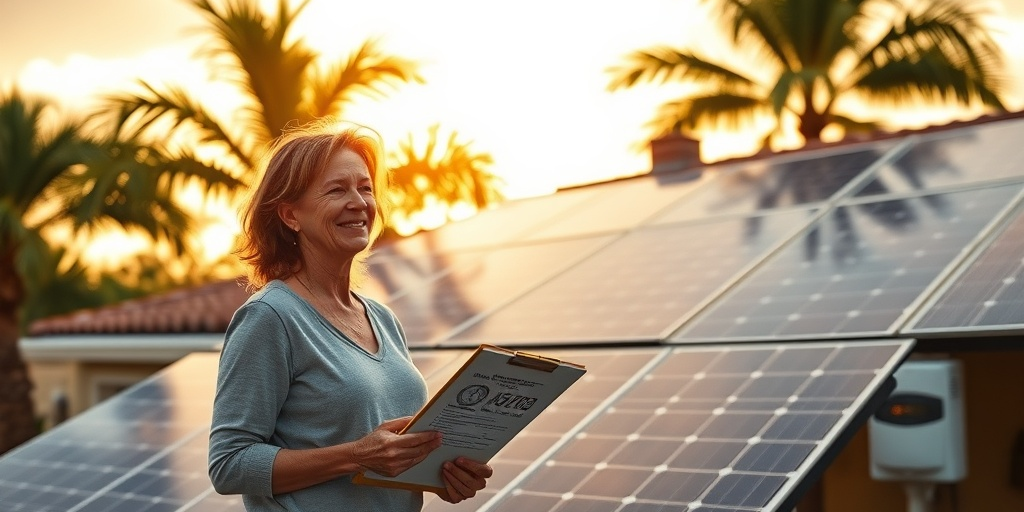
Did you know that in Florida, residential solar installations have grown by over 257% in just the past five years, surpassing 1.5 gigawatts of installed capacity? This astonishing growth signals not only an increasing interest but also a major transition in how homeowners power their lives. As we enter 2025, the decision to go solar has become more pressing than ever, with rising energy costs and an evolving energy policy landscape that rewards energy independence and eco-friendly practices. In this context, understanding the differences between grid-tied and off-grid solar systems can be crucial for Florida homeowners and commercial property owners looking to maximize their solar potential. This blog post, titled Grid-Tied vs Off-Grid Systems: A Technical Deep-Dive into Solar Options, offers an in-depth analysis of these two solar systems to help you make an informed choice for your energy needs.
In this blog, we will examine:
1. The benefits of grid-tied systems and how they operate, backed by real-world case studies.
2. Actionable steps on how to determine which system best aligns with your goals.
3. Common myths surrounding solar systems and the factual rebuttals to dispel them.
4. Florida-specific statistics and incentives that make going solar a great choice today.
5. A technical breakdown of the key components involved in each type of system.
As we dive deeper, it’s time to explore the salient distinctions between grid-tied and off-grid solar systems and determine which one can best suit your unique energy needs.
Grid-Tied Systems: Understand Their Advantages
Grid-tied solar systems have surged in popularity due to their unrivaled efficiency and cost-effectiveness. These systems are connected to the local utility grid and offer numerous benefits ranging from financial savings to increased energy reliability. Let’s lay the foundation with a compelling story: the tale of a Florida homeowner, Jamie, who made the leap into solar energy.
Jamie lives in Orlando and always had concerns about her rising electricity bills, which surged due to Florida’s sweltering summers. After researching options, she settled on a grid-tied solar system. During her first year, Jamie observed a reduction in her monthly bill by nearly 50%, translating to over $1,200 in annual savings. She also benefited from net metering, allowing her to sell back surplus energy to the grid during sunny days (SEIA.org). These financial rewards cemented Jamie’s decision, and soon, she became an advocate for solar energy in her community.
5 Key Areas to Evaluate Grid-Tied Systems
- Cost-Effectiveness: Grid-tied systems don’t require expensive battery storage, making them more affordable upfront.
- Net Metering: This program credits you for excess energy your system produces, which you can use when your panels aren’t generating power (like during the nighttime).
- Lower Maintenance: Fewer components mean lower maintenance needs since grid-tied systems often lack battery storage.
- Scalability: Easy to expand with additional panels if your energy needs grow.
- Immediate Benefits: Homeowners can quickly start saving on their energy bills once the system is operational.
Despite its many benefits, there are common misconceptions surrounding grid-tied systems that need to be addressed. Some homeowners worry about power outages; however, many systems feature backup solutions that kick in when necessary. Others believe that net metering will leave them with minimal savings, but in many Florida locations, this isn’t true. Each homeowner’s experience is unique based on several variables.
Myth #1: You Can’t Go Off-Grid Once You Are on a Grid-Tied System
The truth is you can switch to an off-grid setup later, but it can come with added costs and complications—think batteries for storage or specialized equipment.
Myth #2: Grid-Tied Systems Are Only for Urban Areas
In fact, these systems are viable in rural areas as well, although zoning and permitting can sometimes vary depending on locations.
Myth #3: The Grid Will Always Be Stable
While the grid is generally reliable, it can be subject to outages or disruptions during severe weather—an interesting thought for Florida homeowners.
Myth #4: Maintenance Is not Required
While maintenance is lower compared to off-grid systems, you still have to ensure panels are clear of debris and function efficiently.
To illustrate Florida’s unique position, it’s essential to mention that as of 2023, over 3.5 million homes in Florida have access to solar energy, thanks in part to supportive state policies that promote solar power (SolarReviews.com). Guided by this supportive environment, Jamie and thousands of other Floridians are capitalizing on reduced electric bills and a cleaner energy future.
As we transition to off-grid systems, we need to consider the balance of energy independence versus reliance on the utility grid. Let’s deep dive into what an off-grid solution offers.
Exploring Off-Grid Solar Systems
An off-grid solar system represents ultimate independence, providing households autonomy from the utility grid and allowing them to generate, store, and consume their own energy. This type of system is becoming increasingly appealing for those wishing to be fully self-sufficient, especially in areas with unreliable grid access or for individuals with personal philosophies around sustainable living.
Consider the situation of the Roberts family, who live in the more rural parts of Florida. They decided to install an off-grid system because they frequently experienced power outages due to storms. By implementing solar panels, a battery storage system, and a generator, they secured energy independence. Within one year, they calculated savings of up to $1,800 from not having to rely on the grid (NREL.gov).
5 Essential Steps for a Successful Off-Grid Transition
- Evaluate Your Energy Usage: Understand your daily energy wants and needs. Knowing this can guide you in selecting the right system.
- Select Proper Components: Invest in high-quality solar panels, batteries, and inverters tailored to your requirements.
- Consult with Experts: Engage professionals who can help you design and tailor an off-grid setup.
- Analyze the Costs: Be prepared for a higher upfront cost. Batteries and additional equipment come at a premium.
- Plan for Maintenance: Off-grid systems require vigilance: make sure you have routine check-ups and component monitoring in place.
Myth #1: Off-Grid Systems Are Only for Survivalists
This misconception limits the understanding of the off-grid lifestyle; many homeowners desire this independence for financial savings and environmental reasons, not just survivalism.
Myth #2: Off-Grid Systems Can’t Be Reliable
With the integration of advanced battery technology and backup solutions, off-grid systems can offer consistent energy production even during cloudy days.
Myth #3: Off-Grid Equals No Utilities
Some off-grid users might still connect to the grid as a backup solution for emergencies—it doesn’t have to be a complete detachment.
Myth #4: Energy Independence Requires Major Lifestyle Changes
Embracing solar independence does require some adjustments, but it doesn’t mean sacrificing comfort or convenience.
With energy concerns rising, there’s never been a more opportune time to evaluate off-grid solutions, especially in a state relentlessly sunny like Florida. If you’re prepared for the commitment, this system can change your relationship with energy consumption dramatically—making it an exciting option for the future. Now that we’ve explored both systems, let’s dig into best practices for seamless solar installation.
5 Expert Solar Installation Tips for 2025
As 2025 approaches, optimizing your solar installation is essential. Whether you favor a grid-tied or off-grid setup, several best practices can ensure that your solar journey is both efficient and effective.
1. Don’t Skimp on Panel Placement
Placement is critical to maximize energy exposure. Panels should face south and be angled appropriately to harness as much sunlight as possible.
2. Invest in Quality Components
Cuts corners on hardware can lead to underperformance and lead to more expensive repairs down the line. Invest in quality solar panels, inverters, and batteries that suit your needs (SEIA.org).
3. Monitor Your System Regularly
Routine performance checks will allow you to gauge how well your system is functioning. Apps and monitoring tools can keep you educated about energy production and battery levels.
4. Keep Your Panels Clean!
Especially in Florida, dust, leaves, and rain can hinder panel performance. Regular cleaning ensures your panels operate at optimal efficiency.
5. Understand Incentives and Financing
Explore local, state, and federal incentives that can significantly reduce the initial investment you have to make. Funding options like loans and PPAs (Power Purchase Agreements) can reduce upfront costs (SolarReviews.com).
Consulting a team of experienced professionals from floridaelectricandsolar.com can be a great first step toward achieving your goals in 2025. These best practices will allow you to harness the power of the sun effectively, reducing your energy bills and environmental footprint.
Challenges and Motivation for Adopting Solar
As we reflect on both the potential and the challenges, let us be inspired by the stories of real Floridians making strides toward energy independence. Consider the Williams family in Miami—after going solar three years ago, they detailed a journey of transformation fueled by community support, education, and self-reliance.
This family researched how solar energy could benefit their community, setting up educational workshops to address misunderstandings about technology and incentives. Their success built a following that shaped a mini-revolution in their neighborhood—prompting more families to join them in adopting solar technologies.
4 Reasons to Consider Solar Today
- Financial Stability: Lock in your energy costs against rising utility rates being observed nationwide.
- Environmental Impact: Solar power is clean energy, contributing to a greener planet.
- Community Influence: As more homeowners adopt solar, local energy independence can grow, nurturing resilient communities.
- Policy Support: Take advantage of local incentives, rebates, and tax credits designed to lower your initial investment (NREL.gov).
The Williams family’s story reflects the shift occurring throughout Florida, where homeowners are reclaiming their energy futures. It’s inspiring to see how adopting solar benefits the household and positively impacts the neighbor across the street. The community has gained momentum, with more individuals making the switch.
Next Steps for Florida Solar Buyers in 2025
Now that you have explored the technical aspects of grid-tied and off-grid systems, it’s time to put this knowledge into action. Here’s a concise path forward that can guide you on your solar journey:
Step 1: Audit Your Electric Bill
Begin by evaluating and documenting your electricity usage to understand how a solar system can meet currently fluctuating power needs.
Step 2: Research Financing Options
Look into solar loans or leases. Many Florida homeowners take advantage of $0 down financing that allows for immediate savings.
Step 3: Get Multiple Quotes
Engage at least three contractors to compare pricing, equipment options, and system designs tailored for your home.
Step 4: Consultation and Design
Schedule meetings with installers to understand system installs and what is required for setup. This is a great opportunity to ask questions and gather critical insights.
Step 5: Monitor Your System Post-Installation
Once your system is installed, invest time in monitoring its performance regularly. Set realistic expectations and watch those electric bills drop!
By following this actionable plan and leveraging insights from this article, you ensure that you set your home up for success in the solar landscape of 2025. The journey starts here, and the vision for energy independence has never been clearer.
Ready to start your solar journey in 2025? Connect with a certified expert at floridaelectricandsolar.com today.
Related Articles
More insights about Grid-Tied Systems

Grid-Tied vs Off-Grid Systems: What You Need to Know

Grid-Tied vs. Off-Grid Systems: The Essential Solar Comparison Guide

Technical Deep-Dive: Understanding Grid-Tied vs Off-Grid Solar Systems
Ready to Go Solar?
Have questions about solar energy? Our experts are here to help you make the switch to clean, renewable energy.