
Grid-Tied vs Off-Grid Systems: A Technical Deep-Dive
Share:
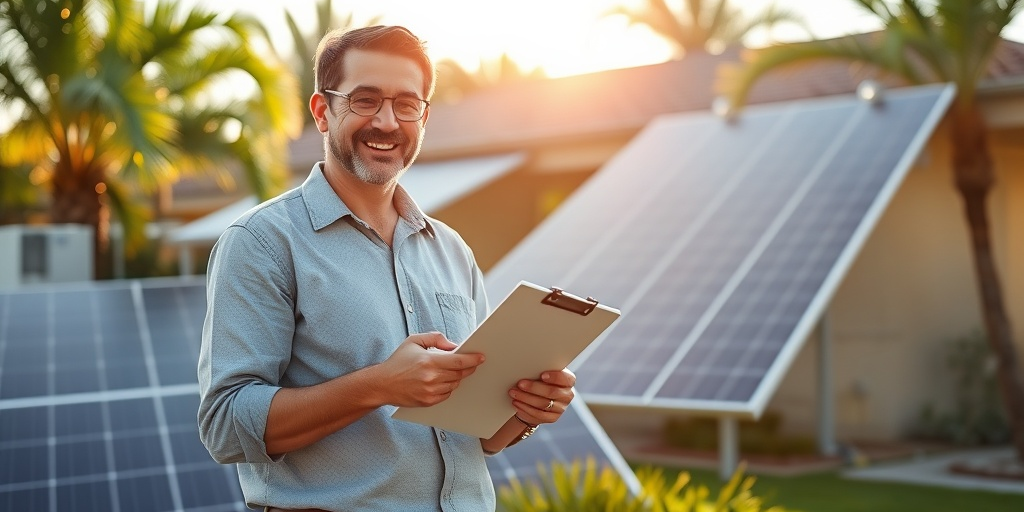
Did you know that Florida ranks third in the United States for solar energy production, with over 7,000 megawatts (MW) of capacity as of 2022? As homeowners face rising energy costs, the shift toward solar energy has never been more critical. In fact, 2025 is set to be a pivotal year for solar adoption in the Sunshine State due to expected federal incentives and increasing awareness of climate change. In this context, understanding your options for solar energy systems is crucial for making informed decisions. Welcome to our detailed exploration titled “Grid-Tied vs Off-Grid Systems: A Technical Deep-Dive.” Here, we will demystify the differences in performance and savings associated with grid-tied and off-grid systems, ensuring you grasp the full spectrum of benefits and limitations. We’ll discuss:
1. A moving case study of a Florida family who went solar;
2. A practical checklist for assessing your needs;
3. Common myths surrounding solar systems;
4. Florida-specific insights on policy and incentives;
5. A technical breakdown covering the workings of solar technologies.
By the end of this article, you’ll be empowered to determine the best solar energy solution for your home or business in Florida as we venture into 2025.
Grid-Tied vs. Off-Grid Systems: An In-Depth Look
Imagine the Johnson family’s journey toward solar energy. Living in Orlando, they experienced continually rising electric bills that peaked at over $300 per month in the summer. The family was motivated to explore solar options not only for cost savings but for a sustainable lifestyle. They were particularly drawn to two distinct solar energy systems: grid-tied and off-grid.
Choosing between these systems can be daunting, but understanding their differences can lead to substantial financial and environmental benefits. Below is a checklist that can aid in your decision-making process.
1. Determine Your Energy Needs
- Assess your current energy consumption: Review your electric bills for the past year to establish an average monthly usage.
- Consider future usage: If you plan to expand your household or install electric vehicles, factor in these potential changes.
- Consult usage calculators: Numerous online tools can give you a clearer picture of your energy needs based on your appliance usage and home size.
2. Understand Utility Regulations
- Check net metering policies: Florida offers net metering, which allows grid-tied systems to sell excess electricity back to the grid, providing credits on your electricity bill.
- Explore local incentives: Florida’s Solar Energy Systems Incentives program can substantially lower your initial installation costs.
3. Evaluate System Components
Both systems also utilize critical components:
- Inverters: Grid-tied systems employ grid-tied inverters, while off-grid systems use batteries paired with inverters for energy storage.
- Panels: While both systems can use similar solar panels, consider the efficiency rating based on Florida’s climate.
4. Assess Reliability and Independence
- Power Availability: Grid-tied systems draw from the utility grid during outages, while off-grid systems function autonomously, requiring careful planning for solar array and battery capacities.
- Emergency Preparedness: Homeowners in hurricane-prone Florida may prioritize off-grid systems for their self-sufficiency during power outages.
5. Review Annual Maintenance and Expenses
- Grid-Tied Systems: Maintenance generally involves minimal upkeep; however, inverter replacement may be necessary every 5–10 years (SolarReviews.com).
- Off-Grid Systems: Battery systems require more ongoing maintenance and potential replacement, usually every 10–15 years.
As the Johnsons weighed their options, they found that grid-tied systems offered considerable financial advantages through net metering and lower maintenance costs. Yet, they were drawn to the independence of off-grid living, especially given Florida’s unpredictable weather. They decided to consult a local solar provider, Florida Electric & Solar, to truly understand their options.
Myth-Buster: Debunking Solar Misconceptions
As with any emerging technology, myths abound regarding solar energy systems. Let’s tackle these misconceptions head-on and clarify how they pertain to Florida homeowners.
Myth #1: Solar Energy Only Works in Sunny Climates
While Florida is known for its sunshine, solar technology is not limited to sunny days. Solar panels work on cloudy days as well, generating energy from diffuse sunlight.
Myth #2: Solar Systems Are Too Expensive
Many homeowners overlook the long-term savings solar can provide. With federal tax credits and Florida’s state incentives, initial costs can be significantly mitigated, making solar energy more accessible.
Myth #3: You Need to Be Off the Grid to Use Solar Power
Grid-tied systems allow you to harness solar without entirely eliminating your connection to your utility provider. Net metering ensures you can rely on the grid as needed.
Myth #4: Solar Panels Are Inefficient
Modern solar technology has improved significantly, with average efficiencies hovering around 18% to 22%. Innovations continue to increase the efficacy of panels (SEIA.org).
Myth #5: Solar Energy is Only for Environmentally Conscious Individuals
While environmental responsibility is a significant motivator for many, solar energy also provides substantial economic benefits for homeowners based on savings and energy independence.
By addressing these myths, homeowners like the Johnson family can feel more empowered to pursue solar energy without falling prey to misinformation. Understanding the differences between systems ensures that they make an informed choice suited to their needs.
Sunshine State Strategies: Local Focus on Solar Energy
In 2025, Florida will continue to develop regulations and policies to support solar energy adoption. It’s essential to stay informed about the evolving landscape, especially with state incentives promoting installations.
Florida homeowners can benefit from various statewide initiatives:
- Solar Energy Systems Incentives Program: A program designed to encourage solar installations and offer financial assistance (DSIREUSA.org).
- Florida Building Code Requirements: New constructions require consideration of solar energy systems, promoting a future-ready residential landscape.
- Property Assessed Clean Energy (PACE): Financing options are available that let homeowners pay for solar systems through property taxes, reducing the upfront burden.
These local policies make solar energy remarkably attractive for Florida homeowners, often leading to a return on investment within 6 to 9 years. More importantly, the expected long-term low energy bills can save you thousands over the years.
For a comprehensive understanding of your options, including potential savings calculations, visit floridaelectricandsolar.com today.
Essential Solar Installation Tips for 2025
As you prepare to implement a solar energy system, following effective best practices can lead to greater long-term satisfaction and efficiency. Here are key installation tips designed to maximize performance:
1. Choose Quality Solar Panels
Opt for renowned brands known for durability and performance. High-efficiency panels will yield better returns in the long run.
2. Ensure Optimal Orientation
Panel placement impacts energy production; positioning panels to face south will capture maximum sunlight throughout the day.
3. Work with Local Solar Experts
Choosing experienced solar providers ensures you get customized solutions and adherence to local regulations. Local knowledge about Florida’s specific environment is invaluable.
4. Regularly Monitor System Performance
Installing monitoring software allows you to track energy production in real-time, giving you insights into potential maintenance needs.
5. Plan for Battery Backup (if going off-grid)
If you choose an off-grid system, factor in battery selection and capacity to ensure reliability during extended cloudy days.
By incorporating these best practices, Florida homeowners can optimize their solar energy systems and enjoy the benefits of reduced energy costs and increased sustainability.
The Johnsons’ Solar Journey: A Real-Life Testimonial
After researching both grid-tied and off-grid systems, the Johnsons narrowed their options. They ultimately opted for a grid-tied installation due to the benefits of net metering and lower maintenance costs. Here’s a brief overview of their decision-making process:
- Step 1: Consult Local Experts – They reached out to Florida Electric & Solar, who helped them understand their energy consumption based on historical data.
- Step 2: Assess System Components – The Johnsons evaluated various panels and inverters, confirming that higher efficiency translates into better savings.
- Step 3: Confirm Financing Options – They explored available state incentives and secured a federal tax credit to ease the financial burden.
- Step 4: Install and Monitor – Upon installation, they utilized monitoring software to track their system’s performance, emphasizing the ease of accessing real-time data.
- Step 5: Enjoy the Savings – Finally, they reveled in savings, watching their monthly electric bills drop to less than $100, a reduction of over 66%!
This example illustrates the profound impact that choosing the right solar energy system can have on one’s finances and lifestyle.
Next Steps for Florida Solar Buyers in 2025
If you’re ready to join the ranks of Florida homeowners who have embraced solar power, follow these actionable steps to pave the way to solar energy in 2025.
Step 1: Audit Your Electric Bill
Review past bills to pinpoint savings opportunities. Establishing a clear baseline will inform your solar needs going forward.
Step 2: Consult with Local Providers
Engage with reliable solar consultants to evaluate options. Ask about state and federal incentives that can lower your investment costs significantly.
Step 3: Select the Right System
Based on your energy consumption and needs, choose between grid-tied and off-grid systems that best suit your lifestyle and goals.
Step 4: Review Financing Options
Explore tax credits and financing programs such as PACE to ease your initial investments into solar.
Step 5: Register for Monitoring and Maintenance
Chose a monitoring solution to keep tabs on your system’s performance, ensuring maximum efficiency over time.
Taking these actionable steps can significantly pave the way for your solar success. Don’t miss the opportunity to leverage solar energy in 2025—begin the conversation by contacting floridaelectricandsolar.com.
Conclusion
Choosing between grid-tied and off-grid solar systems is a critical decision that will impact your finances and environmental footprint long into the future. In this “Grid-Tied vs Off-Grid Systems: A Technical Deep-Dive,” we explored compelling reasons for Florida homeowners to embrace solar energy, including the urgency created by rising electricity costs and a supportive legislative landscape.
In this age of renewable energy, the benefits of solar power can be profound. From significant savings to energy independence, the advantages are multifaceted. Remember the Johnson family’s journey—their careful considerations and informed decisions led to substantial changes in their lives and finances. Understanding solar technology and options empowers you to choose wisely.
As you consider taking your first steps into solar energy, remember that this journey is not just about reducing your bills. It’s about investing in a sustainable future for yourself, your family, and the planet. Ready to start your solar journey in 2025? Connect with a certified expert at floridaelectricandsolar.com today.
Related Articles
More insights about Grid-Tied Systems

Grid-Tied vs Off-Grid Systems: What You Need to Know

Grid-Tied vs. Off-Grid Systems: The Essential Solar Comparison Guide

Technical Deep-Dive: Understanding Grid-Tied vs Off-Grid Solar Systems
Ready to Go Solar?
Have questions about solar energy? Our experts are here to help you make the switch to clean, renewable energy.