
Grid-Tied vs. Off-Grid Systems: A Comprehensive Breakdown for Florida Homeowners
Share:
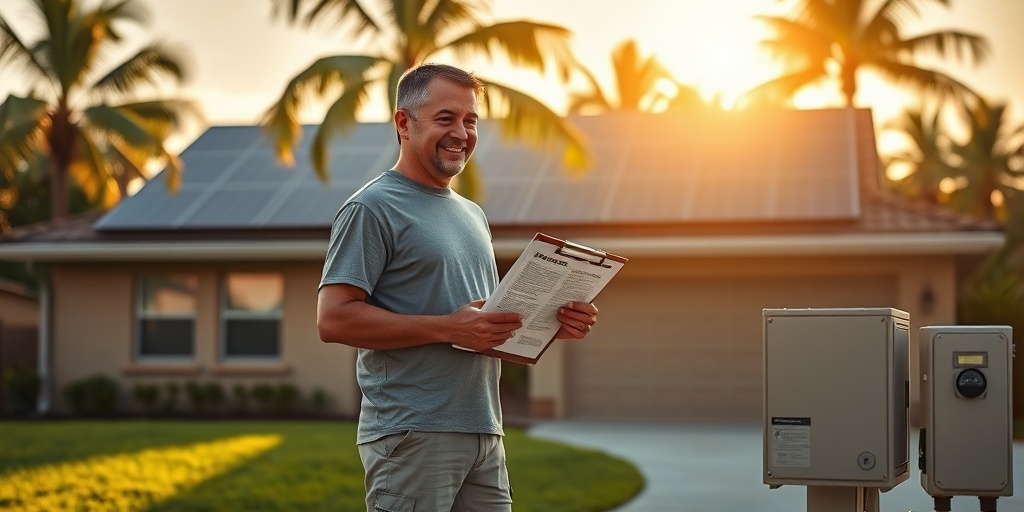
Imagine sitting on your porch in the warm Florida sunshine, a gentle breeze carrying the scent of palm trees, while your home runs entirely on clean, renewable energy. In a state that’s one of the top producers of solar power in the country, this dream isn’t as distant as it may seem. Homeowners across the Sunshine State are increasingly exploring solar energy options, especially as electricity prices rise and new incentives come into play. In our article titled “Grid-Tied vs. Off-Grid Systems: A Comprehensive Breakdown for Florida Homeowners,” we’ll guide you through the essential differences between these two solar systems, helping you discover which option is best for your unique situation. Did you know that in 2023, Florida ranked third in the United States for installed solar capacity, with more than 3.7 gigawatts? Additionally, according to the Solar Energy Industries Association (SEIA), the state’s solar market is expected to keep booming, buoyed by both residential and commercial interest. As we move into 2025, understanding the nuances of grid-tied and off-grid systems becomes increasingly urgent. With energy bills skyrocketing and the potential for new state incentives, the time to make informed decisions about your solar energy future is now. This article will explore five key sections: an in-depth analysis of grid-tied and off-grid systems, critical checklists for aspirational solar buyers, common myths debunked, best practices for installation, and actionable next steps for Florida homeowners and business owners in 2025.
Understanding Grid-Tied and Off-Grid Solar Systems: Which is Right for You?
Choosing between grid-tied and off-grid solar systems can feel overwhelming. With the rapid growth of solar technology in Florida, optimized solutions for energy consumption are more accessible than ever. Let’s explore a thorough case study focusing on a local family, the Johnsons, who decided to go solar. After reviewing their utility bill, they noted an alarming upward trend; their average monthly electric bill had skyrocketed to nearly $300. Frustrated with the rising costs, they decided it was time to think outside the box—and into the sunshine.
After discussing it with a local solar consultant at Florida Electric & Solar, they learned about the stark differences between grid-tied and off-grid systems. The Johnsons discovered that grid-tied systems connect directly to the utility grid. This means they can draw power from the grid when solar production is low, leading to a more stable energy supply, fewer upfront costs, and the ability to sell excess energy back to the utility through net metering— a particularly tempting option when their panels produce more energy than needed.
Conversely, an off-grid system requires battery storage to ensure a consistent power supply during inclement weather or nighttime. While this option offers energy independence, it comes with higher upfront costs due to batteries, inverters, and the additional planning required for installing solar panels to meet all their energy needs.
Ultimately, the Johnsons opted for a grid-tied system because it allowed them to save significantly on installation costs while still benefiting from solar power. Making such a significant investment and understanding how solar technology works is crucial for Florida homeowners looking to reduce their electricity footprint and gain some financial relief.
Before you make your decision, let’s explore a checklist of key points to consider, with corresponding differences between grid-tied and off-grid systems.
Key Considerations Before Going Solar: Checklist for Florida Homeowners
- Step 1: Assess Your Energy Needs – Understanding your current and future energy requirements is essential. Review your past electric bills to determine how much power you consume.
- Step 2: Know Your Budget – Off-grid systems typically require higher upfront costs for battery storage, which may not align with every homeowner’s budget. Grid-tied systems can often save you money while still providing solar benefits.
- Step 3: Explore Financing Options – Many solar lenders offer various financing options, including solar loans, leases, and power purchase agreements. Be sure to investigate local and federal incentives that further reduce costs.
- Step 4: Research Local Incentives – Florida currently offers a property tax exclusion for solar systems, as well as potential rebates at the local utility level (DSIREUSA.org). Explore all avenues to maximize savings.
- Step 5: Consulting a Solar Expert – It’s essential to connect with a solar provider who can assess your specific situation and guide you through the complexities of solar energy, especially in your local context.
The Johnsons followed this checklist meticulously, allowing them to make an informed decision. They learned that while grid-tied systems are typically easier to maintain, off-grid systems might make sense for some homeowners, especially those who prioritize energy independence and live in remote areas of Florida.
Next, let’s address some persistent myths regarding solar energy systems that keep many Florida homeowners skeptical.
Myth-Busting Solar Energy: The Truth about Grid-Tied and Off-Grid Systems
Solar energy is becoming increasingly popular, especially in a sun-rich state like Florida. However, it’s not without its myths and misconceptions. Let’s debunk some of the most common myths associated with grid-tied and off-grid systems.
- Myth #1: Solar Energy Only Works on Sunny Days – While solar panels are most efficient on sunny days, they can and do work in cloudy or rainy weather. In fact, most modern solar panels can generate electricity with indirect sunlight— a vital consideration for Florida homeowners.
- Myth #2: Off-Grid Systems Are Too Complicated to Maintain – Many believe that off-grid systems are challenging to care for. With advancements in technology and continuous improvements in battery storage solutions, maintaining off-grid systems has become easier than ever.
- Myth #3: You Can’t Use Electricity While Your Panels Are Charging – Grid-tied systems allow you to draw energy directly from the grid, meaning you can use electricity while your solar panels are generating energy—they work in synergy!
- Myth #4: Solar Energy Is Always Expensive – Many homeowners think that the only way to get a solar system is to pay upfront. However, financing options, as discussed in the checklist section, can lead to immediate savings while avoiding choke points in finances.
- Myth #5: Solar Panels Can’t Work in Florida’s Humidity – Contrary to popular belief, humidity levels have little to no effect on the effectiveness of solar panels, as they perform better in warmer temperatures. Florida’s climate is actually quite conducive to solar energy production (SolarReviews.com).
With these myths debunked, it’s clear that both grid-tied and off-grid systems offer distinct advantages and challenges. The next logical step is to apply best practices when installing solar power systems.
5 Expert Solar Installation Tips for 2025
Getting the most out of your solar investment requires adherence to best practices during installation. The following expert tips can help ensure you optimize your system’s performance.
- Optimize Panel Placement – Don’t skimp on the angle and orientation of your solar panels. South-facing roofs receive the most sunlight and generate more electricity throughout the day. Consulting a provider can help maximize this.
- Invest in Quality Equipment – Not all panels and inverters are created equal. Choose high-efficiency panels with strong warranties to ensure performance.
- Pair with Smart Technology – By integrating smart technology, such as energy monitoring systems or smart thermostats, you can manage usage more effectively and maximize savings.
- Hire Reputable Installers – The expertise of your installer can significantly impact your system’s performance. Check reviews, ask for references, and ensure they are solar-certified.
- Conduct Regular Maintenance – Schedule routine checks to make sure all components are operating as they should. This includes checking for shade, clearing debris from panels, and assessing battery condition if applicable.
By following these installation and maintenance tips, Florida homeowners can achieve optimal performance from their solar systems, regardless of which type they choose. Now, let’s dive deeper into the implications of going solar in the Sunshine State.
A Florida Homeowner’s Solar Journey: Embracing Renewable Energy
Meet Maria, a fictional Florida homeowner who opted for solar energy three years ago. As a single mother in Tampa, Maria was searching for a way to save money and create a sustainable environment for her children. After experiencing utility bills upwards of $250 in the summer months, she decided enough was enough.
Maria took her first steps by researching solar providers and financing options during her free evenings, leading her to consult with Florida Electric & Solar. Within a few weeks, she had a plan tailored specifically for her energy needs. Here’s how her journey unfolded:
- Initial Assessment – Maria reviewed her household energy needs, which helped her choose a grid-tied solar system that complemented her usage patterns.
- Financing the Installation – After determining a budget, Maria engaged with local government programs that provided various incentives, reducing her upfront costs significantly.
- Installation Day – On installation day, she watched in excitement, knowing she was taking the first step toward energy independence.
- Immediate Impact – After her panels were operational, Maria noticed a dramatic drop in her bills. In her first summer, she only paid around $90 a month, thanks to net metering and practical energy-saving habits.
- Empowering Her Family – After seeing the financial improvements, Maria felt empowered to share her experience with other local families, inspiring them to consider solar solutions for their homes.
The journey didn’t come without its challenges; initially, she faced skepticism from some family members about whether she would see tangible benefits from her solar system. However, data shows that solar energy can provide significant long-term savings. In fact, solar payback periods average between 5 to 7 years in Florida (SEIA.org), making Maria’s choice even more valid.
Maria now feels confident in her decision and encourages other Florida homeowners to explore their solar energy options. Lastly, let’s put together a concrete action plan for those ready to embark on their solar journey in 2025.
Next Steps for Florida Solar Buyers in 2025
Choosing to go solar is a significant decision, and having a clear action plan can significantly reduce friction in the process. Here’s a streamlined guide for Florida homeowners looking to navigate the solar landscape as they prepare for 2025.
- Step 1: Audit Your Electric Bill – Gather your last few months of utility bills to understand your consumption habits. Determine how much energy you typically use throughout the year to assess the right solar solution.
- Step 2: Research Local Solar Policies – Understand the regulations and incentives available for solar energy in your area. Dive into current incentives through organizations such as DSIREUSA.org for valuable insights.
- Step 3: Set a Budget – Determine how much you can invest in your solar energy system. Keep in mind that financing options can allow you to go solar with little to no money down, thanks to various local and federal incentives.
- Step 4: Speak to a Solar Expert – Contact a trusted solar provider, like Florida Electric & Solar, to discuss your needs and review potential solar solutions tailored to your situation.
- Step 5: Compare Installers – Not all installers offer the same quality of service. Research multiple providers, ask for potential customer reviews, and ensure they have experience with installations in Florida’s unique climate.
By carefully following these steps and doing thorough research, you can become proactive in the journey toward solar energy. The choices you make in 2025 can lead to transformative energy savings and environmental benefits.
In conclusion, understanding the differences between grid-tied and off-grid systems is a crucial step for Florida homeowners as they explore solar energy options. Embracing this clean energy source not only helps to combat rising electric costs but also enables individuals to contribute positively to the environment. The benefits of solar energy extend beyond financial savings—it empowers families, fosters community awareness, and demonstrates the transition towards a sustainable future. As you embark on your solar journey, remember that knowledgeable support from professionals can make all the difference. Ready to start your solar journey in 2025? Connect with a certified expert at floridaelectricandsolar.com today.
Related Articles
More insights about Grid-Tied Systems

Grid-Tied vs Off-Grid Systems: What You Need to Know

Grid-Tied vs. Off-Grid Systems: The Essential Solar Comparison Guide

Technical Deep-Dive: Understanding Grid-Tied vs Off-Grid Solar Systems
Ready to Go Solar?
Have questions about solar energy? Our experts are here to help you make the switch to clean, renewable energy.