
Grid-Tied vs Off-Grid Systems: The Essential Technical Breakdown
Share:
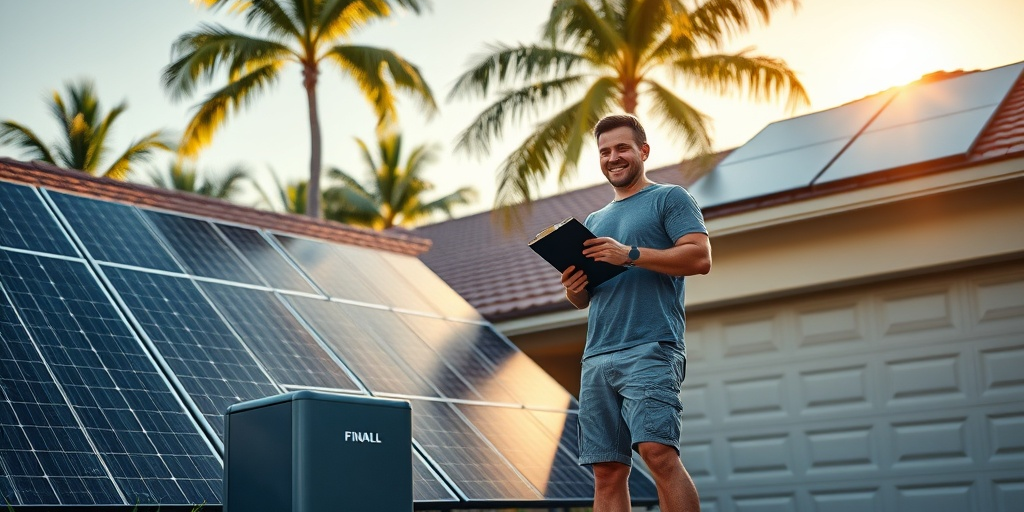
In a world where homeowners are increasingly seeking sustainable energy solutions, the choice between grid-tied and off-grid solar systems has never been more crucial. Did you know that in 2022 alone, Florida’s solar capacity reached over 6,700 megawatts, representing a significant leap for renewable energy within the state? (SEIA.org) Or that an astonishing 115,000 residential solar panel installations took place in warm Florida, enabling citizens to harness the state’s abundant sunlight? (SolarReviews.com) Don’t let rising energy costs or unpredictable grid instabilities catch you off guard—2025 is ripe with opportunities to transition to solar energy. This blog post, titled Grid-Tied vs Off-Grid Systems: The Essential Technical Breakdown, aims to clarify the differences between these two pivotal solar energy systems and guide you towards the best option for your needs.
Now, consider this: Are you ready to own your power and cut those ever-increasing electric bills? As Florida homeowners and commercial property owners navigate the complexities of solar energy, understanding which system aligns with their lifestyle, budget, and long-term goals is urgent for 2025. Moving forward, we’ll delve into the following sections: a comprehensive case study, an actionable checklist for making the right choice, the common myths surrounding solar systems, Florida-specific insights on these technologies, and an in-depth technical analysis. This journey will equip you with the knowledge you need to illuminate your solar path effectively.
Understanding Grid-Tied and Off-Grid Systems: A Deep Dive
Imagine a Florida family, the Johnsons, who decide to invest in solar energy to reduce their electric bills. They are weighing the benefits of a grid-tied system, which connects directly to the utility grid, against an off-grid system designed to be completely independent. Let’s explore this crucial decision through their story.
In early 2025, the Johnsons met with a specialist from Florida Electric & Solar, who walked them through their options. They learned that grid-tied systems are reliant on the local utility grid, allowing them to draw energy from it when necessary, while any excess energy generated can feed back into the grid, potentially earning credits on their electric bill. This backup is especially beneficial in Florida, where sun exposure remains consistent, but storms can cause temporary outages. However, for families seeking self-sufficiency and resilience against such events, an off-grid system could provide peace of mind despite the higher upfront investment. The average installation cost for these systems has been dropping; in 2021, the cost was approximately $20,000, including battery storage (NREL.gov). By taking a closer look at the Johnson family’s motivations, we can uncover the pros and cons of both systems.
- Application and Lifestyle: The Johnsons loved the idea of being eco-friendly while saving money on their energy bills. A grid-tied system was appealing as it offered user-friendly management of their energy consumption. They would save money in the short term while benefiting from net metering policies in Florida.
- Cost: The installation price for grid-tied systems averages $15,000, making them less of a financial burden initially (SolarReviews.com). However, the Johnsons worried about fluctuating utility rates.
- Energy Independence: The allure of off-grid living sparked interest in the Johnsons. An off-grid system would mean generating and storing energy independently, perfect for those who live in remote areas or prioritize autonomy from the grid.
Drawing from the insights gained during their discussions, the couple compiled the following checklist to make an informed decision:
- Evaluate Your Energy Needs: Assess how much energy your household consumes on a monthly basis.
- Consider Your Budget: Analyze the total cost, including installation and ongoing maintenance.
- Research Local Incentives: Take note of any state-funded subsidies or tax credits available for solar installation.
- Investigate Reliability: Look into the historical reliability of your local utility grid, especially in light of weather patterns in Florida.
- Think Long-Term: Project your energy needs over the next 10 years to ensure your system can adapt to future demands.
This checklist can help ensure you select the best option to meet your family’s unique energy requirements.
Myth-Busting Common Misconceptions
As the solar revolution expands across Florida, several misconceptions arise that may lead to potential homeowners being hesitant about making the switch to solar power. Here are a few prevalent myths debunked:
- Myth #1: Solar panels only work in sunny areas.
Wrong! Solar panels generate electricity even on cloudy days—it’s UV rays that matter, and they can still penetrate cloud cover. - Myth #2: Off-grid systems are always the better choice.
Not necessarily. While off-grid systems provide independence, they come with the added responsibility of managing battery storage and maintenance. - Myth #3: I need to buy my solar panels outright.
Many financing options and leasing plans are available to make solar energy accessible for almost any budget.
In Florida, initiatives like the Renewable Energy Technologies Credit provide incentives to aid homeowners in covering upfront costs for solar power systems. Staying informed about benefits and the realities of the solar landscape is vital for making a decision that is both financially wise and environmentally responsible.
Next, let’s delve deeper into the intricacies of solar energy systems and discuss how Florida’s policies shape their implementation.
Local Focus: Florida’s Solar Landscape
Florida has unique characteristics shaping its solar energy market, influenced by both legislation and environmental conditions. The state’s solar capacity grew significantly in the past few years, landing it in the top ranks for solar energy in the United States. As of 2023, nearly 10% of Florida’s energy comes from solar power. (SEIA.org) This is notable, given that policymakers have worked diligently to foster an environment conducive to renewable energy adoption.
- Net Metering: In Florida, net metering enables homeowners with grid-tied systems to receive credits for excess solar energy fed into the grid.
- Tax Incentives: Homeowners are not only eligible for federal tax credits but also state incentives that make solar installations even more affordable.
- Solar Permitting: Local permitting processes have been streamlined across many counties, ensuring quicker installations.
With policymakers increasingly favoring renewable energy resources, Florida homeowners find themselves in a prime position to take advantage of competitive solar offerings. The integration of EV technologies represents another growing trend placing Florida on the cutting edge of sustainable solutions. In fact, a recent study indicated that 20% of solar homes in Florida are now also equipped with electric vehicle charging stations (Energy.gov). Understanding the perks and challenges of both grid-tied and off-grid systems in this context is paramount for maximizing your investment.
Technical Deep-Dive: Analyzing Solar System Dynamics
To truly grasp the differences between grid-tied and off-grid systems, we must take a closer look at their technical components. While the two systems rely on solar photovoltaic panels to convert sunlight into energy, their differences emerge in the inverter and battery components.
For grid-tied systems, the inverter plays a crucial role. It converts the direct current (DC) generated by solar panels into alternating current (AC), which powers household appliances. Grid-tied systems often require less expensive inverters since battery storage is not mandatory, a strong factor influencing the average installation cost.
On the flip side, off-grid systems necessitate storage solutions, often utilizing lithium-ion or lead-acid batteries that allow users to store energy for use during nighttime or cloudy days. These battery systems must be monitored to ensure optimal performance, and the initial investment tends to be higher due to the ancillary costs associated with battery storage.
Another critical aspect involves utility interactions. Grid-tied systems benefit from the backup of the utility grid. Florida’s Rebate Program aligns perfectly here, offering cost incentives for homeowners installing systems that tie back to the grid, making the economics even more attractive and accessible. By taking advantage of net metering, homeowners can manage their electric bills effectively.
Next Steps for Florida Solar Buyers in 2025
Congratulations, dear reader! You’ve journeyed through the significant considerations necessary for making an informed solar decision. As you contemplate your next steps, here’s a practical guide to streamline the process:
- Audit Your Electric Bill: Carefully evaluate your monthly usage and costs to determine your energy needs before reaching out to solar providers.
- Research Options: Compare solar providers, focusing on both grid-tied and off-grid offerings, and their experience in the Florida market.
- Evaluate Equipment: Investigate the types of solar panels and inverters offered to ensure quality and efficiency ratings are high.
- Check Local Incentives: Stay informed about any state-funded rebates, tax credits, or grants to maximize your investments.
- Consider Future Needs: Don’t just think about the present; assess how your energy consumption may grow in the coming years.
You can find more information about how to prepare for your installation by visiting floridaelectricandsolar.com for personalized assistance. The road to solar energy can feel overwhelming, but with careful research, it can translate into monumental savings and sustainability.
Conclusion
In recapping our journey through the intricate world of solar energy, we’ve explored the critical elements of grid-tied versus off-grid systems. From the Johnson family’s journey in selecting the right solar solution to dismantling myths that might cloud your judgment, the road ahead is clearer. As you consider your home’s energy needs and the environmental implications of your choice, remember the substantial benefits of renewable energy. Investing in solar power not only enhances energy independence but significantly reduces long-term expenses for Florida homeowners.
Your family’s energy future is not just a decision—it’s a legacy. The urgency to act is compounded by rising energy costs, environmental concerns, and the evolving landscape of solar technology in 2025. Whether you lean towards the reliability of a grid-tied system or the allure of off-grid independence, the next step is yours. Are you ready to start your solar journey in 2025? Connect with a certified expert at floridaelectricandsolar.com today.
Related Articles
More insights about Grid-Tied Systems

Grid-Tied vs Off-Grid Systems: What You Need to Know

Grid-Tied vs. Off-Grid Systems: The Essential Solar Comparison Guide

Technical Deep-Dive: Understanding Grid-Tied vs Off-Grid Solar Systems
Ready to Go Solar?
Have questions about solar energy? Our experts are here to help you make the switch to clean, renewable energy.