
Grid-Tied vs Off-Grid Systems: The Essential Technical Comparison
Share:
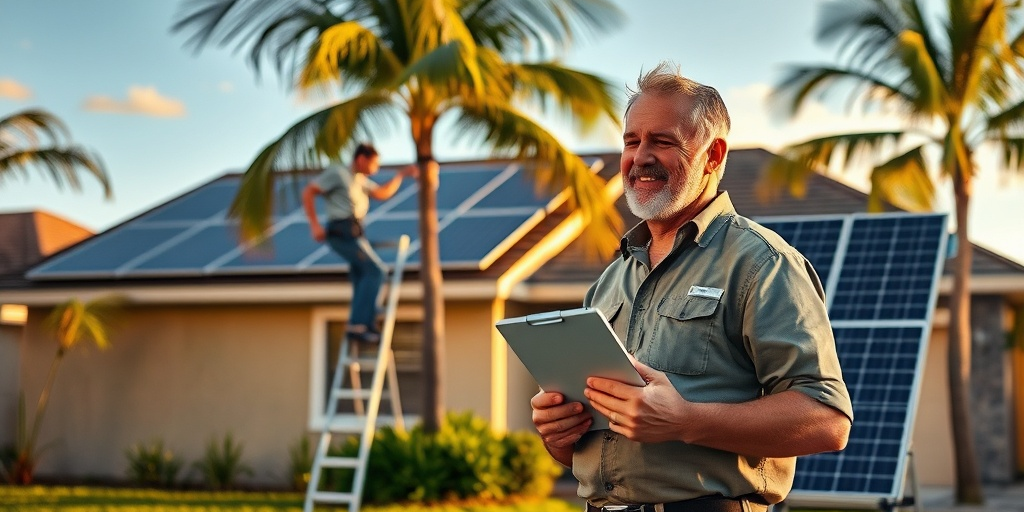
Imagine moving into a home in the Sunshine State, basking under the glow of the Florida sun with a cool breeze flowing through your screened patio. You’ve heard whispers about renewable energy and its ability to transform lives. Are you ready to unlock the full potential of your home’s energy solutions? It’s time to explore one of the fundamental questions faced by many Florida homeowners: should you invest in a grid-tied or off-grid solar system? This guide dives deep into “Grid-Tied vs Off-Grid Systems: The Essential Technical Comparison” to help you make an informed decision that could reduce your energy costs and enhance your independence. According to the Solar Energy Industries Association, Florida ranks among the top five states in the nation for solar capacity in 2023 (SEIA.org). Moreover, energy prices are predicted to increase by approximately 15% within the next two years—now is the time to consider your solar options and capitalize on new incentives set to roll out in 2025.
In this essential comparison of grid-tied versus off-grid systems, we will dissect the differences in efficiency, costs, and suitability for homeowners. The urgency of this decision cannot be overstated; in 2025, Florida’s growing energy needs and the push for sustainable solutions will likely lead to even more favorable policies for solar integration. By reading this article, you will not only gain valuable insights into the viability of each solar approach, but you will also discover the unique features that make each system perfect for different lifestyles. Let’s explore what lies ahead in this thorough discussion consisting of five key sections: a technical deep dive into the case study, a checklist for your solar installation, a myth-busting section addressing common misconceptions, a local focus on Florida’s unique energy landscape, and finally, a detailed technical analysis of both systems.
Unraveling the Grid-Tied vs Off-Grid Systems
To begin our journey toward understanding the differences between grid-tied and off-grid systems, let’s consider the story of Sarah and Mike, a young couple who decided to invest in solar energy for their Florida home. They were excited to maximize their savings and decrease their carbon footprint but were initially confused about which system would best suit their needs.
Sarah and Mike’s journey began with a simple idea: to harness solar energy to lower their electric bills. After gathering some initial information about both systems, they quickly discovered that a grid-tied system was the more common option, accounting for around 90% of installed solar capacity in the United States (SolarReviews.com). Intrigued, Sarah and Mike dove deeper into the technical specifications of both systems and created a checklist to guide their final decision.
- Step 1: Assess Energy Needs: They determined their average monthly energy consumption by reviewing their electric bills.
- Step 2: Explore Financing Options: They researched available financing options, including local incentives and rebates available in Florida.
- Step 3: Evaluate System Costs: They received quotes for both grid-tied and off-grid systems to compare initial investments and long-term savings.
- Step 4: Solar Battery Consideration: They debated whether adding batteries for backup power was essential to their lifestyle.
- Step 5: Consult with Experts: They reached out to Florida Electric & Solar for personalized recommendations based on their unique situation.
In their research, they also faced several myths about solar energy, particularly concerning grid-tied systems. Here’s a brief myth-buster section, highlighting what they learned:
Myth-Buster: Common Misconceptions About Solar Energy
Despite the growing popularity of solar energy, misinformation continues to circulate. Let’s address some of the most common misconceptions that may cloud your decision-making process.
- Myth #1: Solar energy only works in sunny areas.
In reality, modern solar panels can generate electricity even on cloudy days and consistently perform best in seasons where energy consumption is high, such as summer months when air conditioning usage peaks. - Myth #2: Off-grid systems provide complete independence.
Although off-grid systems can offer increased energy autonomy, they often require significant upfront investments, and the reliance on battery storage can lead to higher long-term costs. Homeowners must weigh these factors against their specific energy needs. - Myth #3: Solar energy is too expensive.
The decreasing costs of solar technology, combined with federal and state incentives, make solar more affordable than ever. In fact, the average cost of solar has dropped over 70% in the last decade (Energy.gov).
To illustrate the technical differences between grid-tied and off-grid systems, we’ll delve into the heart of each configuration—from the types of solar panels used to the components required for installation.
A Technical Deep-Dive: System Components and Performance
Grid-tied systems are connected to your local utility grid, allowing homeowners to draw power when solar production is low, while selling excess energy back to the grid. Conversely, off-grid systems operate independently, providing power solely from solar panels and battery storage. Understanding these distinctions is critical for Florida homeowners who want to maximize their solar installation efficiency.
Here’s a closer look at the critical components of each system:
Grid-Tied System Components:
- Solar Panels: These photovoltaic (PV) panels convert sunlight into electricity, with most Florida homeowners opting for mono- or polycrystalline options due to their efficiency in sunny conditions.
- Inverter: The inverter converts the direct current (DC) generated by solar panels into alternating current (AC) usable by home appliances.
- Net Metering: This utility policy allows homeowners to send surplus energy back to the grid, reducing their monthly electric bills.
Off-Grid System Components:
- Solar Panels: Similar to grid-tied systems, off-grid installations also employ PV panels, though homeowners may need to install more panels to produce adequate energy to meet their demands throughout the year.
- Battery Storage: Batteries store excess energy generated during the day for later use. This component is crucial for off-grid systems, as homeowners rely on battery backup when solar production stalls.
- Charge Controller: This component manages the flow of energy between the solar panels, battery, and loads, preventing damage from overcharging or discharging.
When deciding between these two systems, Florida homeowners should consider both energy efficiency and the potential for savings. According to a recent report, homeowners who invest in solar can save an average of $30,000 over 20 years when paired with net metering policies (SEIA.org).
Realizing the importance of understanding these nuances, Sarah and Mike had a clear choice before them, but several factors still needed consideration before making their final decision.
5 Expert Solar Installation Tips for 2025
As homeowners edge closer to the decision of grid-tied versus off-grid systems, it is crucial that they approach installation with care and optimize their investment. Here are five expert tips to ensure a successful solar installation experience:
- 1. Don’t Skimp on Panel Placement: The ideal positioning of solar panels can drastically affect efficiency. Panels should be installed to maximize sun exposure throughout the day, generally facing south in the northern hemisphere. Consider hiring experts for precise angles and shading assessments.
- 2. Choose Quality Components: Invest in high-quality panels, inverters, and batteries. Products backed by warranties and multiple positive reviews ensure better performance over time.
- 3. Time Your Installation Wisely: Choose your installation date during the dryer months of the year in Florida—generally, that’s from late fall to early spring. This time frame can reduce installation logistics complications and improve efficiency.
- 4. Utilize Local Incentives: Florida offers various incentives aimed at promoting solar energy adoption, including property tax exemptions and sales tax exemptions for solar equipment (DSIREUSA.org). Ensure you’re taking full advantage of available resources.
- 5. Get a Professional Assessment: Before installation, consult with solar experts to evaluate your energy needs thoroughly and identify the system that best fits your lifestyle. Tailored consultations can make a significant difference in your choice between grid-tied and off-grid systems.
After absorbing the valuable insights from these tips, Sarah and Mike felt more equipped to move forward with their solar journey. Their next step was to travel through the solar landscape of Florida to gather more knowledge about successful installations.
Understanding Solar in Florida: A Local Perspective
As our narrative unfolds, let’s zoom in on Florida’s vibrant solar energy landscape. Florida homeowners make up a growing community engaged in harnessing solar technology to create sustainable environments and reduce energy costs. The state holds significant potential for solar energy generation due to its high levels of Sun and favorable climate conditions.
In fact, as of early 2023, Florida has over 2.6 gigawatts of installed solar capacity—enough to power approximately 400,000 homes (SEIA.org). These numbers are expected to grow as evolving local policies and incentives motivate more homeowners to adopt solar energy, ensuring accessibility to affordable power solutions.
Here are four key factors outlined with insights on Florida’s energy market:
- Growing Adoption of Democratized Energy: In Florida, residents are increasingly taking control of their energy solutions while contributing to the clean energy movement, promoting democratic access to renewable energy.
- State-Level Rebates and Incentives: Homeowners can currently benefit from the Property Assessed Clean Energy (PACE) program, which finances energy-efficient improvements, allowing homeowners to add solar without the burden of large upfront costs.
- Climate Resilience Planning: Solar energy is becoming a key component of the state’s climate strategy to reduce reliance on fossil fuels and improve environmental sustainability.
- Utility Companies and Community Solar Projects: Several utility companies, such as Florida Power & Light (FPL), have initiated collective community solar projects, making solar accessible to residents who may not have the means or opportunity to install their own solar panels.
These aspects of Florida’s solar landscape demonstrate the viability and excitement surrounding solar power in 2025. As Sarah and Mike explored available incentives, they were keen to take concrete action that would prompt their transition to renewable energy.
Next Steps for Florida Solar Buyers in 2025
So, what’s the logical path forward once you’ve gathered the information but aren’t quite ready to make a decision? Follow this action plan tailored for Florida homeowners considering solar power:
- Step 1: Audit Your Electric Bill – Collect your utility bills over the past year to determine your energy consumption trends and evaluate potential solar investment returns.
- Step 2: Research Solar Companies – Investigate local solar providers that are certified and have strong reputations. Make sure to read customer reviews and ask for references.
- Step 3: Get Multiple Quotes – Solicit quotes from different solar installers. Each company may offer distinct packages, so be sure to ask about long-term performance warranties, financing options, and established delivery timelines.
- Step 4: Understand Local Incentives – Familiarize yourself with the available local and state incentives and rebates to maximize your savings on your solar installation. Check floridaelectricandsolar.com for resources and guidance.
- Step 5: Monitor and Reassess: – Following the installation, keep track of your energy production and savings to evaluate the effectiveness of your solar investment. Don’t hesitate to reassess your options and renew the conversation with your solar provider if needed.
With this action plan in hand, Sarah and Mike felt confident about taking control of their sustainability journey, and you too can achieve the same ultimate goal.
As we conclude this comprehensive exploration of the differences between grid-tied and off-grid systems, it is essential to remember the growing urgency for homeowners to adopt solar energy solutions. The shift toward renewable energy is no longer just a trend; it is a necessity. Whether it’s taking action for your family’s financial future, reducing your carbon footprint, or contributing to Florida’s sustainable energy landscape, your decision holds the potential to impact both your immediate reality and the world for generations to come.
Ready to start your solar journey in 2025? Connect with a certified expert at floridaelectricandsolar.com today.
Related Articles
More insights about Grid-Tied Systems

Grid-Tied vs Off-Grid Systems: What You Need to Know

Grid-Tied vs. Off-Grid Systems: The Essential Solar Comparison Guide

Technical Deep-Dive: Understanding Grid-Tied vs Off-Grid Solar Systems
Ready to Go Solar?
Have questions about solar energy? Our experts are here to help you make the switch to clean, renewable energy.