
Grid-Tied vs Off-Grid Systems: A Technical Deep-Dive
Share:
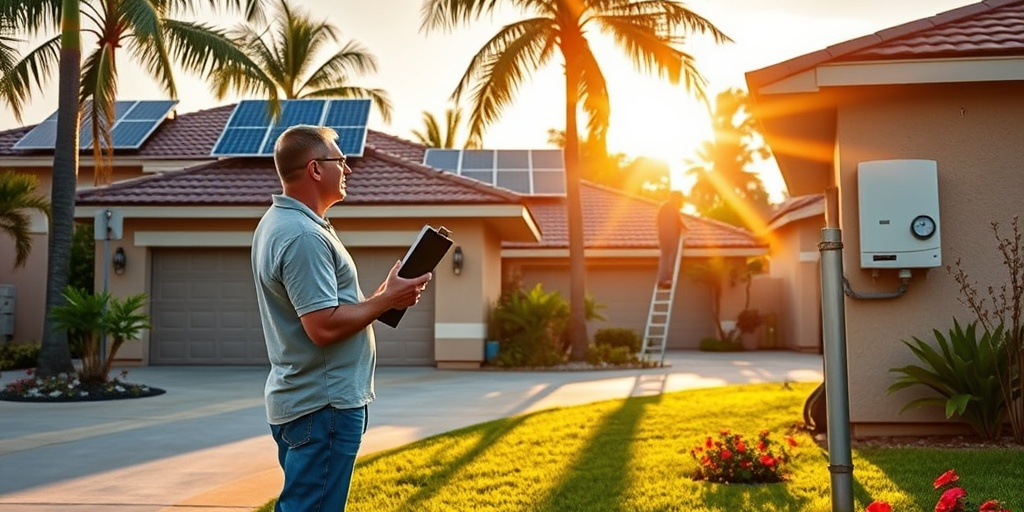
In the ever-evolving landscape of energy, solar power stands as a beacon of hope, efficiency, and sustainability. Did you know that over 3 million solar systems were installed in the United States by the end of 2022, with Florida ranking as one of the top states for solar adoption? As a Florida homeowner or commercial property owner considering the possibility of solar energy, the choice between grid-tied and off-grid systems can seem daunting. “Grid-Tied vs Off-Grid Systems: A Technical Deep-Dive” will illuminate the differences between these systems to help you maximize your solar benefits for optimal savings.
The urgency of understanding these systems could not be more pressing in 2025. With rising energy costs and increasingly unstable electric grids, Florida residents are faced with a critical tipping point. Moreover, various solar incentives are slated to become more favorable as federal and state policies align with sustainability goals (SolarReviews.com). In this post, we’ll cover five key sections: an in-depth exploration of each system, a practical checklist for choosing the right fit for your needs, myths and misconceptions regarding solar systems, a closer look at local Florida statistics, and a technical breakdown of how each system operates.
Let’s embark on this journey to solar enlightenment and discover the best way to empower your home or business while helping the environment.
Understanding Grid-Tied vs Off-Grid Systems: An In-Depth Exploration
Imagine you’re on a hot summer day in Florida, sitting comfortably in your air-conditioned living room, sipping an iced tea while simultaneously saving on electric bills—all thanks to your choice of a solar power system. Meet Emily, a single mother and homeowner in Orlando, who spent months deliberating between grid-tied and off-grid solar configurations before finally making a decision. Her story is not just a personal journey; it’s a reflection of the choices many Floridians face today.
Emily eventually chose a grid-tied system, which gives her the ability to draw power directly from the local utility when her solar panels aren’t producing enough energy. According to the Florida Solar Energy Center, grid-tied systems make up about 90% of solar installations in the state, due in part to their lower cost and the absence of battery storage requirements. As a result, she enjoys significant savings on her monthly bills and benefits from net metering, allowing her to sell excess energy back to the grid (SEIA.org).
However, Emily also contemplated the allure of going off-grid—where solar energy becomes both her sole power source and a means of asserting independence from rising electricity costs. An off-grid system typically includes solar panels, inverters, and battery storage, and while it offers freedom from utility reliance, it can also come with a hefty price tag.
- Case Study: Meet Emily’s Journey
Emily’s choice highlights a critical decision point for Florida homeowners: compromising upfront costs for long-term reliability (Florida Solar Energy Center). - Consideration Checklist
When choosing between a grid-tied and off-grid system, consider factors such as:- Your power consumption needs
- Your budget for initial installation vs. long-term savings
- How often you intend to use your home (primary residence vs. vacation home)
- Myth-Buster: Debunking Misconceptions
Common myths create confusion. For instance, many believe they will never see a return on investment with solar, or that off-grid systems are impossible in Florida climate; both misconceptions can be dismantled with proper planning (Energy.gov). - Florida Focus: The State’s Trends
In 2023, Florida saw a record increase—over 30%—in solar installations, driven largely by the affordability of grid-tied systems and new solar incentives. - Technical Deep-Dive: The Mechanics of Each System
Analyzing components of grid-tied systems reveals the interconnectedness with utility networks, while off-grid systems rely heavily on trustworthy battery technology.
With her chosen grid-tied system, Emily has optimized her savings while remaining energy efficient. As you ponder your own solar journey, what path will you take?
The Key Factors: Choosing the Right Solar Setup for Your Home
Choosing the right solar installation involves assessing several critical factors. Your unique energy requirements dictate whether grid-tied or off-grid will serve as the most beneficial solution. As you decide, consider the following essential elements:
- Energy Needs: Each household has unique energy requirements. Evaluate whether your typical consumption aligns with what an off-grid setup can realistically provide.
- Budget Constraints: High upfront costs of battery systems and off-grid maintenance can affect whether this option is viable; often, grid-tied options are more cost-efficient.
- Geographical Resources: Florida’s sunny climate favors solar adoption, but assessing local weather patterns could impact your decision.
Additionally, photovoltaic cell technology has advanced significantly, with many options available for homeowners. Understanding the differences can also lead you to make a better sales choice. You must decide how many solar panels you need, how many batteries might be required, and which inverter systems are essential for your specific needs.
For a more personalized analysis of your solar options, consult trusted experts at floridaelectricandsolar.com.
5 Expert Solar Installation Tips for 2025
When transitioning to solar power, either as a homeowner or a commercial property owner, it’s essential to set the groundwork properly. Here are five tips to consider as you look to install solar:
- Choose the Right Placement: Don’t skimp on panel placement. Ensure that your panels are positioned towards the sun for maximum effectiveness.
- Opt for Quality Equipment: Invest in high-efficiency solar panels and reliable inverters to guarantee long-term savings.
- Investigate Local Incentives: Florida provides numerous tax credits and rebates. Use them to your advantage to reduce upfront investment.
- Work with Professionals: Hiring experienced contractors can mitigate errors during installation and ensure compliance with local codes.
- Plan for Growth: If your energy needs will increase in the future, plan your solar system to account for this to maximize return on investment.
Incorporating these elements will not only enhance your solar installation experience, but also help ensure reliability and energy efficiency in the long run. As the solar industry continues evolving, keeping these tips in mind can provide you with the best results.
A Local Solar Journey: One Family’s Experience
The Smith family from Miami decided to go solar in 2025. Initially skeptical about the value of solar investments, they embarked on their solar journey when rising utility bills prompted a re-evaluation of costs. They initially considered a grid-tied system, but ultimately went with an off-grid setup when they learned about state incentives that could offset installation costs.
- Reasons for Choosing Off-Grid: Concerns about fluctuating energy prices pushed them to assert autonomy.
- Warranties and Maintenance: The family diligently researched battery options and chose equipment from trusted brands that included good warranties.
- Community Support: They joined a local solar advocacy group, providing them access to independent reviews and advice.
As their installation progressed, choose clean energy, and they became proponents of solar energy not just for economic viability, but for environmental sustainability. According to research from the National Renewable Energy Laboratory (NREL.gov), the average payback period for solar in Florida is actually closer to 7–10 years, depending on system size and available incentives.
Next Steps for Florida Solar Buyers in 2025
As you consider going solar in Florida, it is crucial to follow a structured pathway to streamline your transition to renewable energy:
- Step 1: Audit Your Electric Bill
Before diving into solar, understand your current energy usage and monthly costs to assess savings realistically. - Step 2: Research Solar Options
Gather knowledge on grid-tied vs. off-grid systems and evaluate how each aligns with your personal values and energy needs. - Step 3: Get Multiple Quotes
Don’t settle for one estimate; engage with multiple contractors to gain insights and compare installation options. - Step 4: Review Contracts Thoroughly
Pay attention to warranties, performance guarantees, and maintenance agreements. These details matter. - Step 5: Stay Informed
Keep up-to-date with changes in local and federal renewable energy policies that could impact your investments.
By following this structured plan, you can alleviate the intimidation surrounding solar adoption and navigate your path toward energy independence with confidence. For additional resources and personalized advice, visit floridaelectricandsolar.com.
In conclusion, the choice between grid-tied and off-grid solar systems is more than a technical decision; it’s a transformative pathway toward sustainability, autonomy, and financial savings. As we face rising energy costs and evolving technology, understanding the critical differences empowers you to make informed decisions for you and your family.
This decision matters—not only for today but for the future of our planet and the generations to come. As you consider this journey, remember Emily, the Smiths, and countless others who have embarked on a solar journey that changed their lives for the better.
Ready to start your solar journey in 2025? Connect with a certified expert at floridaelectricandsolar.com today.
Related Articles
More insights about Grid-Tied Systems

Grid-Tied vs Off-Grid Systems: What You Need to Know

Grid-Tied vs. Off-Grid Systems: The Essential Solar Comparison Guide

Technical Deep-Dive: Understanding Grid-Tied vs Off-Grid Solar Systems
Ready to Go Solar?
Have questions about solar energy? Our experts are here to help you make the switch to clean, renewable energy.