
Grid-Tied vs Off-Grid Systems: A Technical Deep-Dive into Solar Choices
Share:
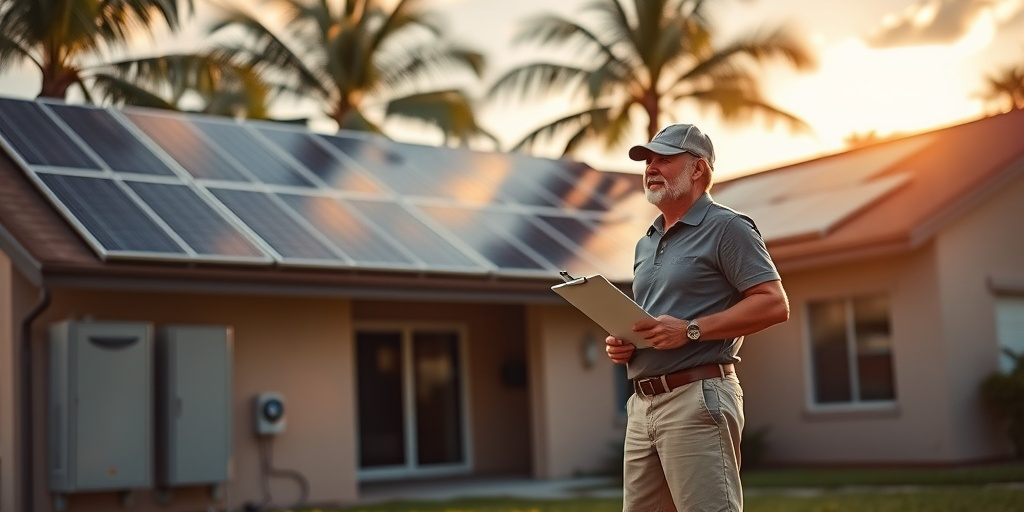
Imagine waking up in a home powered entirely by the sun, free from the burden of ever-rising electric bills. In fact, a staggering 70% of homeowners are exploring solar options as energy prices soar and the need for energy independence intensifies. You’re likely asking: What’s the best way to harness that sunlight? That’s where the choice between grid-tied and off-grid solar systems comes in. In this article titled Grid-Tied vs Off-Grid Systems: A Technical Deep-Dive into Solar Choices, we’ll delve deeply into the nuances of these two offerings. Did you know that solar adoption in Florida is projected to increase by 23% by 2025 (SEIA.org)? With incentives and technology continuously evolving, understanding these systems has never been more urgent. This post will explore the emotional and financial values of going solar in Florida—focusing on five main sections: a rich case study, a checklist of installation steps, common myths debunked, specific local policies affecting your choices, and a technical deep dive into panel efficiencies and grid interactions. Let’s equip you with the knowledge that you need to make an informed decision for your home or business.
The Great Solar Debate: Grid-Tied vs Off-Grid Systems
Homeowners in Florida increasingly face the dilemma of choosing between grid-tied and off-grid solar systems. Let’s take a closer look at what each system entails, featuring a compelling case story, practical checklists, and essential myth-busting insights.
Case Study: The Garcia Family’s Solar Journey
Meet the Garcias, a family of four living in sunny Orlando. Tired of their escalating electric bills, they decided to go solar. With a thorough analysis of their energy usage and a budget in mind, the Garcias opted for a grid-tied system, believing it was the perfect balance of efficiency and cost-effectiveness. They were drawn to the fact that, by 2025, the cost of solar installations is expected to drop by about 30% as efficiency improves (SolarReviews.com).
After careful consideration, the Garcias installed a grid-tied solar system equipped with net metering. This feature allows them to export excess power back to the utility grid, creating credits on their electric bill. In their first year alone, they saved 40% on electricity costs. They also benefitted from local solar incentives provided by Florida’s solar policy, which supports owners who install renewable energy solutions (FloridaPublicUtilities.com).
Actionable Checklist: Navigating Your Solar Installation
Are you ready to embark on your solar journey? Use this checklist guide to ensure a smooth process.
- Step 1: Assess Your Energy Needs – Calculate your energy consumption to determine the right system size.
- Step 2: Choose Between Grid-Tied and Off-Grid – Consider your independence preferences and budget.
- Step 3: Research Local Incentives – Look into rebates available through Florida’s solar energy policies.
- Step 4: Find a Reputable Installer – Check reviews and certifications to select the best professionals.
- Step 5: Monitor Your System’s Performance – Regularly assess system reports to ensure efficiency from day one.
Your choices today will directly influence your energy independence tomorrow. A grid-tied system balanced with net metering is often ideal. Don’t overlook consulting a professional for advice tailored to your unique needs—learn more at floridaelectricandsolar.com.
Myth-Busters: Clearing Up Misconceptions
As you navigate the solar landscape, it’s important to separate fact from fiction. Let’s tackle some common myths surrounding solar systems.
- Myth #1: Solar Power Is Only for Big Houses – Solar technology is scalable! Whether you live in a condo or a large home, there’s a solar system that fits your needs.
- Myth #2: Solar Panels Only Work in Hot Weather – Solar panels can generate electricity even on cloudy days, ensuring you’re not entirely dependent on sunny weather.
- Myth #3: Off-Grid Systems Are Always the Best Choice for Independence – While off-grid systems provide independence, they require heavy upfront investment and reliable battery storage.
- Myth #4: Switching to Solar Will Leave You Off the Grid Completely – With grid-tied systems, you have the flexibility to connect to the grid for standby power when needed.
- Myth #5: Solar Isn’t a Smart Investment – On the contrary, homeowners can save significantly over time due to lower energy bills and tax incentives (Energy.gov).
Florida-Specific Focus: Local Policies Affecting Your Decision
Florida has unique solar incentives and regulations that can significantly influence your decision-making. Here’s what you need to know:
- Solar Property Tax Exemption – Homeowners in Florida will not pay increased property taxes on their solar installation.
- Net Metering Policies – Florida allows net metering, making it easy to get credits for excess power fed back into the grid.
- Energy Conservation Programs – Many utilities offer rebates for residential solar installations, further reducing your overall investment.
With such attractive incentives, Florida stands as one of the leading solar states, making now the perfect time for homeowners to get involved. Navigating these policies can be complex, so consult with local experts to maximize your benefits.
Technical Deep-Dive: Understanding Panel and System Technologies
Delving deeper into grid-tied and off-grid systems reveals several technical differences that significantly impact performance, efficiency, and reliability.
Grid-Tied Systems rely on the existing utility grid. If solar production exceeds consumption, excess electricity is sent back to the grid, generating credits through net metering. These systems mainly use string inverters, which are efficient for multiple panels. Their main advantages are cost-effectiveness and integration with utility incentives.
Off-Grid Systems, on the other hand, work independently of the utility grid. They rely heavily on battery storage to ensure electricity supply during non-sunny hours. Typically equipped with microinverters or hybrid inverters, these systems can provide better energy management. However, high upfront costs and maintenance requirements can deter some homeowners.
Solar panels themselves have different efficiency ratings. The average panel efficiency in 2025 is anticipated to increase as technology advances, hitting around 20% for monocrystalline panels, which are the most efficient option available today (NREL.gov).
As you consider which system fits your needs best, weigh your electricity usage, budget, and preferences for energy independence. Understanding the technical specifications will empower you to make a more informed decision.
Next Steps for Florida Solar Buyers in 2025
As we wrap up, let’s outline the necessary actions you can take next as a Florida homeowner interested in making a solar switch.
- Step 1: Audit Your Electric Bill – Review your past electric bills to understand your consumption patterns and potential savings.
- Step 2: Research Your Options – Decide the energy independence level you desire and whether a grid-tied or off-grid system serves you best.
- Step 3: Consult with Experts – Reach out to professionals for site evaluations and quotes tailored to your specific needs. More information can be found at floridaelectricandsolar.com.
- Step 4: Secure Financing – Investigate available financing options, grants, and incentives to facilitate your purchase.
- Step 5: Monitoring and Maintenance – Once installed, keep an eye on your system’s production and performance for optimal savings!
Being proactive will help ensure that your journey into renewable energy is rewarding and fulfilling.
Conclusion: Embrace Your Solar Future
In conclusion, choosing between grid-tied vs off-grid solar systems is a significant decision impacting your energy independence, financial savings, and environmental footprint. Whether you opt for the reliability of a grid-tied system or the autonomy of going off-grid, understanding the unique characteristics of each option will empower you to make the best choice for your family or business. The urgency to transition to solar in 2025 is underscored by both rising energy costs and increasing consumers’ desire for sustainability. Remember the Garcias? They transformed their energy expenses and future prospects by making educated choices. Now it’s your turn! Are you ready to take the next steps towards energy empowerment?
Ready to start your solar journey in 2025? Connect with a certified expert at floridaelectricandsolar.com today.
Related Articles
More insights about Grid-Tied Systems

Grid-Tied vs Off-Grid Systems: What You Need to Know

Grid-Tied vs. Off-Grid Systems: The Essential Solar Comparison Guide

Technical Deep-Dive: Understanding Grid-Tied vs Off-Grid Solar Systems
Ready to Go Solar?
Have questions about solar energy? Our experts are here to help you make the switch to clean, renewable energy.